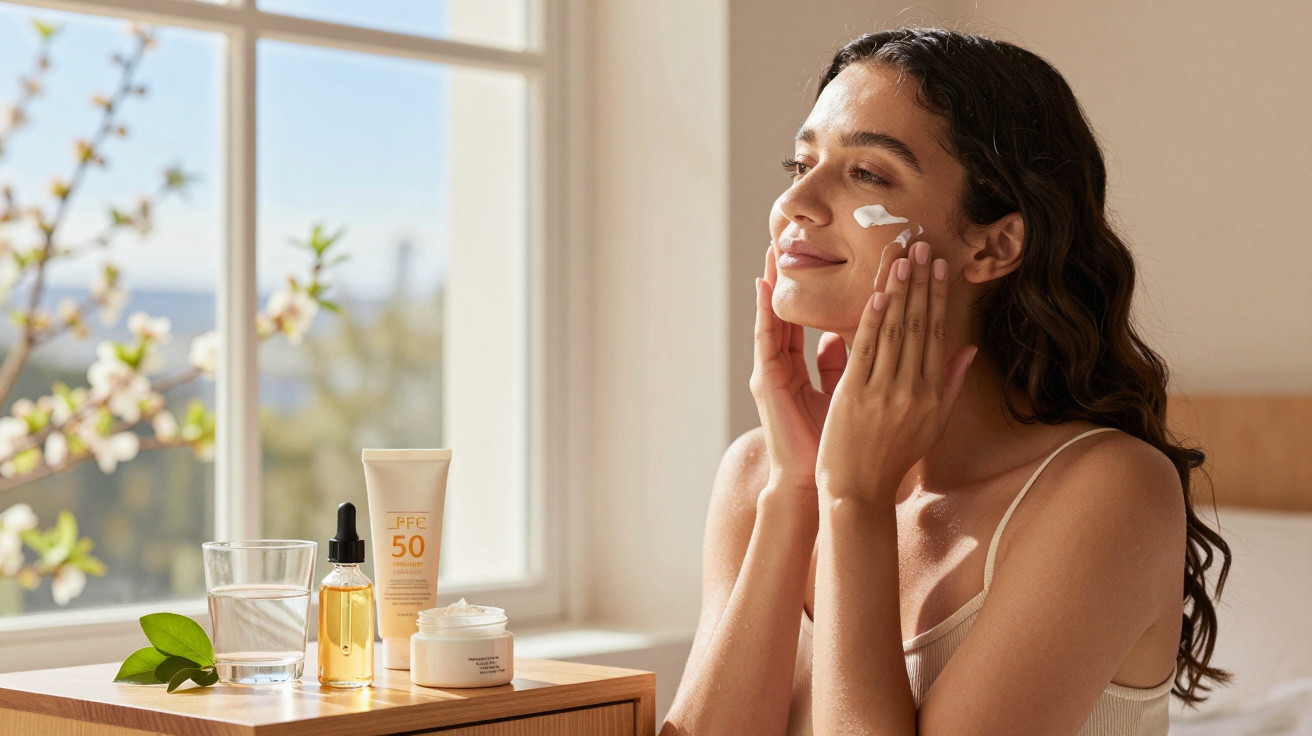
Cheeks can look dull, the forehead may feel tight and fine lines can suddenly appear more pronounced. By March or April, many people notice that their usual skincare is no longer enough. This is when a well-planned routine reset can help: a few clear steps can restore winter-weary skin to a smooth, plump and radiant state.
Why skin is so stressed after winter
Cold outdoor temperatures, dry central-heating air indoors and thick scarves constantly rubbing against the face all place strain on the skin during winter. Its natural protective barrier becomes weaker, while the balance between oil and moisture is disrupted. Many people also turn to very rich, occlusive creams, which can gradually contribute to a light “grey veil” of dead skin cells and product residue.
The result: rough patches, tightness, small flakes, an uneven complexion and noticeably less glow.
The good news is that targeted measures can prepare the skin for spring and summer without requiring a complicated 20-step routine.
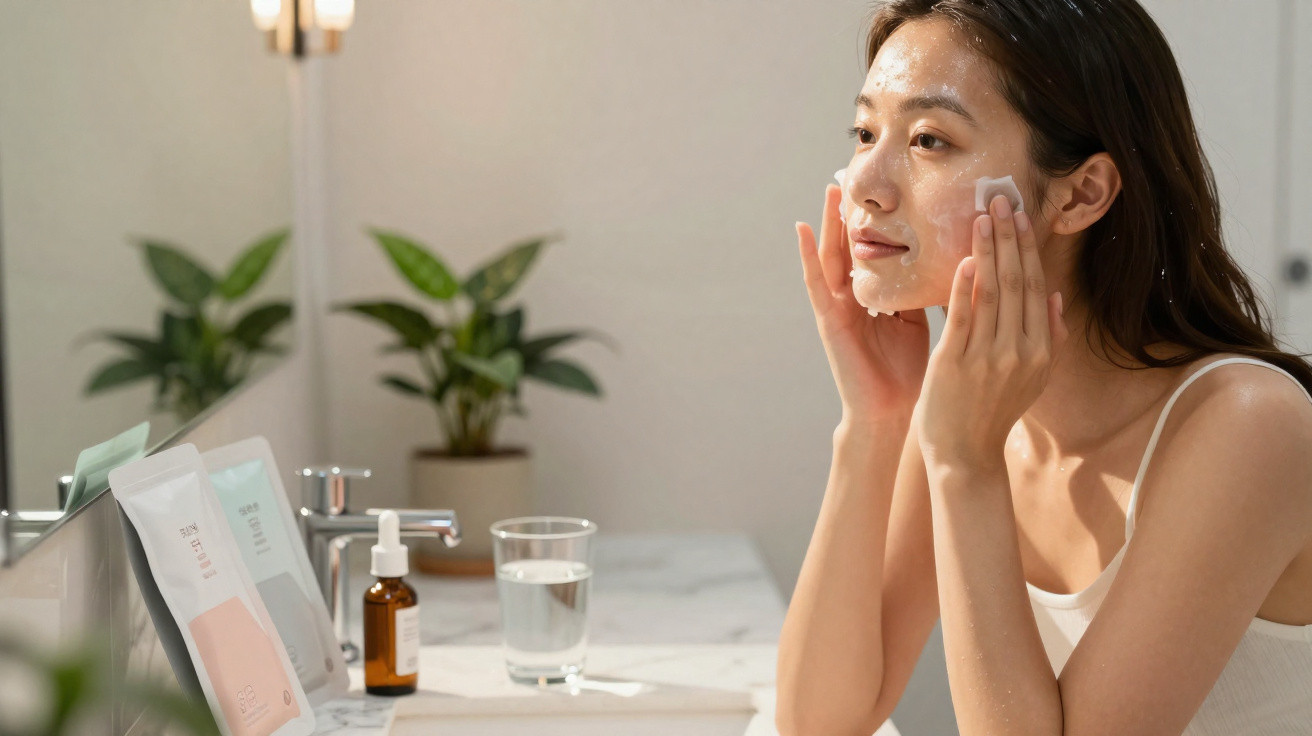
Gentle exfoliation: a fresh start for tired winter skin
The first step towards a more radiant complexion is not the most expensive cream, but a carefully selected exfoliant. The aim is to lift away old skin cells without causing irritation.
Why particularly gentle exfoliation matters now
A thicker layer of dead cells tends to build up over winter. If it is not removed, active ingredients cannot penetrate as effectively, make-up can cling to dry areas and the complexion appears lacklustre.
Rather than using a harsh scrub containing coarse particles, skincare professionals now recommend:
- Enzyme exfoliants – these use enzymes from ingredients such as papaya or pineapple to dissolve dead cells without abrasive rubbing
- AHA acids (such as lactic acid and glycolic acid) – these smooth the skin’s surface and refine its appearance
- PHA acids – especially gentle options, ideal for sensitive or dry skin
Regular yet gentle exfoliating care smooths the surface, restores natural glow and stimulates cell renewal.
As a general guide, once or twice weekly is sufficient for most skin types. Anyone whose skin reacts quickly or is prone to redness should begin once a week and monitor how their skin responds carefully.
Hydration: no spring glow without water retention
After winter, moisture is what the skin needs most. Oil and hydration are often confused: a heavy, oily cream can feel nourishing without actually supplying the skin with water.
These active ingredients plump up thirsty skin
Ingredients that retain water or support the protective barrier are especially beneficial:
- Hyaluronic acid: retains water within the tissue and visibly plumps fine dehydration lines
- Ceramides: reinforce the skin barrier so retained moisture does not escape as quickly
- Squalane: resembles the skin’s own lipids and leaves it supple without feeling heavy
- Beta-glucan: soothes, hydrates and supports regeneration
As temperatures rise, switching to lighter textures is worthwhile:
- Cleanser (mild and not aggressively foaming)
- Toner or essence with hydrating ingredients
- Serum containing hyaluronic acid or vitamin C
- Lightweight cream or gel cream
- In the morning: moisturiser with UV protection or a separate sunscreen
The ideal spring skincare feels light while delivering intensive hydration – without an oily film or a “mask-like” finish.
Retinol and vitamin C: a powerful duo for texture and glow
Many people hesitate to try potent ingredients such as retinol because they are concerned about redness or peeling. Used properly, however, retinol can be a game-changer after winter.
What retinol does for the skin
Retinol is among the most extensively researched ingredients in modern cosmetics. Its key effects include:
- speeding up cell renewal
- encouraging the production of collagen and elastin
- refining skin texture and reducing the appearance of enlarged pores
- helping with pigmentation marks and unevenness
- smoothing fine lines and early wrinkles
Particularly after a long winter, when uneven texture and shifts in pigmentation become more apparent, retinol can visibly improve skin texture.
How to introduce retinol safely into a routine
To minimise irritation, follow a clear approach:
- apply retinol in the evening only
- start once or twice a week, then increase gradually
- use soothing, hydrating skincare on the days between retinol applications
- always pair it with high sun protection during the day
A vitamin C serum can be used in the morning alongside this. Vitamin C provides antioxidant benefits, helps brighten the complexion and supports a more even skin tone – ideal when skin looks dull after winter.
Sunscreen: the most important anti-ageing step in spring
As the days become longer and brighter, UV exposure increases, even when the weather still feels cool. Many people underestimate the spring sun and continue caring for their skin as they did in January, while UV rays are already causing damage.
Why SPF 50 is no longer just a “summer product”
Those using exfoliants, retinol or other active ingredients often make their skin more light-sensitive. Without protection, this can lead to redness, pigmentation marks and accelerated skin ageing.
No anti-ageing cream works as reliably as consistently using a high-factor sunscreen.
Skincare experts therefore advise:
- applying SPF 50 to the face every day, including on cloudy days
- using enough product – roughly two finger lengths for the face and neck is a useful guide
- reapplying when spending extended periods outdoors, sweating or talking on the phone frequently, which can rub product away in certain areas
Modern formulas are available as gels, fluids, creams or tinted products that can partly replace make-up. This makes sunscreen easy to incorporate without a white cast or sticky feel.
Practical spring routine for different skin types
| Skin type | Morning | Evening |
|---|---|---|
| Dry skin | Gentle cleanser, hyaluronic acid serum, richer cream, SPF 50 | Creamy cleanser, enzyme exfoliant once weekly, barrier serum, nourishing night cream |
| Combination / oily skin | Gel cleanser, lightweight vitamin C serum, gel cream, SPF 50 (fluid) | Foam or gel cleanser, AHA/PHA exfoliant 1–2 times weekly, lightweight serum, retinol if needed |
| Sensitive skin | Very gentle cleanser, soothing serum, ceramide cream, SPF 50 (for sensitive skin) | Milky cleanser, PHA exfoliant only if tolerated, barrier support, introduce low-dose retinol later |
What many people overlook: everyday habits
Skincare does not end in the bathroom. Anyone wanting to properly support their skin in spring should also consider everyday situations:
- avoid frequent rubbing from scarves, hats or collars
- do not shower with overly hot water, as it strips oils from the skin barrier
- avoid sitting directly in front of drying central heating or air conditioning at work
- drink enough fluids, particularly water and unsweetened tea
Those prone to congestion beneath the skin or redness benefit from reviewing their routine briefly every few months: are the textures still suitable? Was too much layered on during winter? Skin usually copes better with a clear, pared-back selection of products than with constantly changing creams and serums.
How to combine ingredients intelligently
Many skincare mistakes come from good intentions: retinol, several acids and highly concentrated vitamin C all applied at once. The skin may then react with redness, stinging or flaking.
Examples of sensible combinations include:
- vitamin C + hyaluronic acid in the morning, followed by retinol + barrier support in the evening
- exfoliation on one day, then only hydration and ceramides the next
- for sensitive skin: “buffering” retinol by applying it over moisturiser or mixing it with a neutral skincare product
If the skin begins to sting or itch more intensely, reduce active ingredients first and focus exclusively for one or two weeks on gentle cleansing, hydration, ceramides and sunscreen. This allows the barrier to stabilise again.
With this straightforward strategy – gentle exfoliation, targeted hydration, carefully chosen active ingredients and consistent UV protection – winter skin can gradually become a fresh, even spring complexion that looks good without a filter.













Comments
No comments yet. Be the first to comment!
Leave a Comment