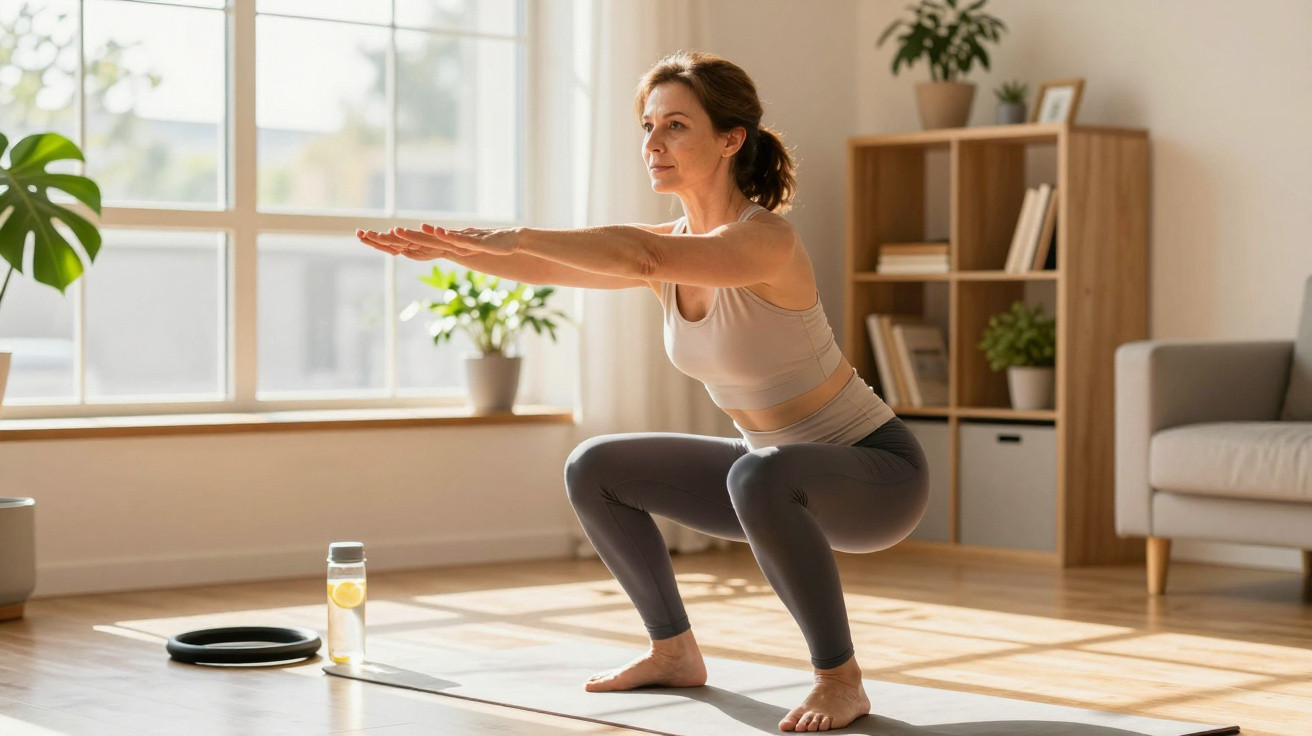
Many people notice that everyday tasks become more laborious after 50: getting up, sitting down or climbing out of the car. These seemingly minor obstacles are often about more than simply being unfit – they can result from muscle loss, joint wear and reduced mobility. This is where an overlooked Pilates exercise comes in, one that fitness coaches now regard as a genuine rejuvenator for the body.
Why targeted movement can slow the ageing process
With every passing decade, we lose muscle mass unless we take action to prevent it. Experts call this sarcopenia: the body breaks down muscle tissue, while strength and balance decline and falls become more likely. At the same time, joints, tendons and ligaments change, reducing their ability to cope with strain.
The encouraging news is that muscles can still respond remarkably well to training at 70 or 80. Practising the right movements can rebuild strength, take pressure off the joints and preserve everyday movement patterns – precisely what is needed to remain independent for longer.
“Regular functional exercises act like a natural anti-ageing programme for the muscles, joints and nervous system.”
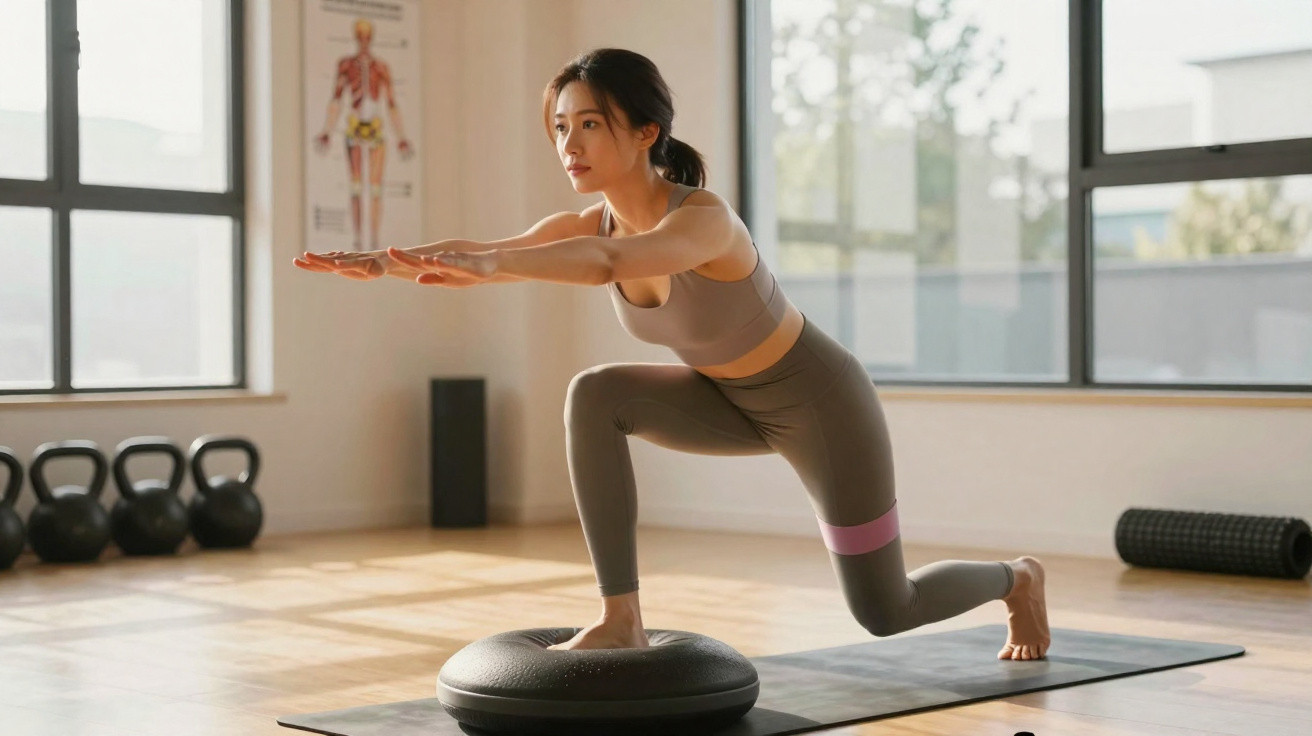
One particularly effective component is a classic from Pilates and bodyweight training: the bodyweight squat.
The overlooked key exercise: the bodyweight squat
Whenever we push ourselves up from a chair, rise from the sofa or lower ourselves onto the toilet, we are essentially performing the same movement: a squat. As long as it happens effortlessly, we barely notice it. Only when it becomes difficult do we realise how essential this ability is.
This is exactly what the bodyweight squat trains:
- Leg muscles: the front and back of the thighs, plus the glutes
- Core and abdominal muscles for stability
- Controlled movement at the hips, knees and ankles
- Coordination and balance
It does more than build strength; it also improves movement quality. Practising this move regularly can help you assess and maintain your everyday functional level – an important part of healthy ageing.
How the exercise works as an anti-ageing booster
The better the hips, knees and ankles work together, the less wear they experience. The muscles used also keep the bones under load, which helps counter osteoporosis. Metabolism is stimulated, blood sugar can be regulated more easily, and the cardiovascular system benefits from this repeated whole-body effort too.
“Anyone who masters controlled squats gains more than muscle strength – they preserve a piece of quality of life in later years.”
Step-by-step guide: Pilates-principle squats for over-50s
For the exercise to be effective while being kind to the joints, technique matters more than how low you go. Coaches with a Pilates focus pay particular attention to precise execution and conscious breathing.
Starting position
- Stand tall with your feet roughly hip-width apart.
- Keep your pelvis and spine neutral – neither an exaggerated arch nor a rounded back.
- Let your arms rest loosely by your sides.
- Look forwards rather than down at the floor.
Lowering movement
- Breathe in and keep your upper body steady.
- Bend at your hips, knees and ankles at the same time.
- Move your bottom backwards as though you were sitting down on an invisible chair.
- If it helps, bring your arms forwards to maintain your balance.
- Your knees should track towards your toes rather than collapsing inwards.
Rising movement
- Press your feet firmly into the floor.
- Breathe out as you slowly push yourself back to the starting position.
- Deliberately engage your abdominal and glute muscles.
- Return your arms to your sides.
“Guideline for beginners: 3 sets of 12 to 15 repetitions, on three to four days per week.”
Safety first: adapting the exercise after 50
Anyone who has not exercised for a long time, has joint problems or feels unsure should begin gradually. The squat can easily be adapted to suit different fitness levels.
Gentle variations for getting started
- Using a chair for support: Sit down on a sturdy chair and stand back up. At first, you can use your hands for light support.
- Half squat: Lower yourself only as far as feels comfortable. The depth can be increased over time.
- Hold rather than bounce: Remain in a slightly bent position for a few seconds before standing up again.
Important: pain in the knees or hips is a warning sign. If this happens, reduce the depth or seek advice from a physiotherapist or sports medicine professional.
Why Pilates principles make the difference
Pilates places strong emphasis on body control, breathing and activating the deep core muscles. These are exactly the elements that can protect you from sudden poor loading in daily life, such as when lifting shopping bags or getting out of a low armchair.
A squat performed with Pilates principles therefore involves:
- deliberate, steady breathing instead of holding your breath
- a strong core to keep the spine stable
- precise joint alignment, with hips, knees and feet positioned well
“The better the joints are aligned, the more efficiently the body distributes forces – and the less strain ends up on individual ‘weak points’.”
More than leg training: positive everyday effects
Anyone who consistently makes this exercise part of their routine may notice changes not only at the gym but directly in daily life. Common effects reported by many people include:
- Getting up from low chairs becomes easier.
- Climbing stairs feels less demanding.
- The legs do not tire as quickly when standing for long periods.
- Falls occur less often because balance and reactions improve.
There may be visible changes too: firmer thighs, tighter glutes and a more upright posture can create an immediately more youthful appearance, without any filter.
How to build the anti-ageing move into everyday life
If you do not want a complicated training plan, simply link squats to everyday situations. This table offers a few possible approaches:
| Situation | Possible mini-routine |
|---|---|
| In the morning after brushing your teeth | 2 x 10 slow squats |
| Coffee break while working from home | 1 set of 12 to 15 repetitions |
| In the evening before watching television | 10 squats during every advert break |
| After a walk | 3 sets to finish, while your body is still warm |
This gradually builds a habit that takes very little time but can have a substantial long-term effect.
What else helps: combining it with other activities
The squat is a strong foundation, but it is no replacement for a complete movement programme. People over 50 particularly benefit from maintaining a small basic set of activities:
- Walking or Nordic walking for heart and circulation
- Light bodyweight strength training for the upper body and arms
- Balance exercises, such as standing on one leg while brushing your teeth, to reduce falls
- Stretching and mobility sessions for supple joints
If you wish, you can also schedule 1–2 short Pilates sessions each week, either in a live class or using videos. The focus is on body awareness, breathing and core stability, which further enhances the effect of the squat.
Risks, limitations and useful checks
Although the movement looks simple, every body responds differently. People with joint replacements, severe osteoarthritis or recent operations should consult a doctor or physiotherapist before starting anything more intensive. In such cases, a slightly adjusted technique may be necessary, such as a shallower bend or support from a chair.
If you are uncertain whether your form is correct, ask a professional to film or correct you once. Even a few pointers about foot placement, knee alignment and breathing can make the exercise noticeably safer – and more effective.
Ultimately, the message is surprisingly straightforward: one correctly performed movement, repeated regularly, can noticeably slow the ageing process. Not in the sense of eternal youth, but in a way that lets you confidently stand up from a chair at 70 – without hesitation and without someone else’s help.

Comments
No comments yet. Be the first to comment!
Leave a Comment