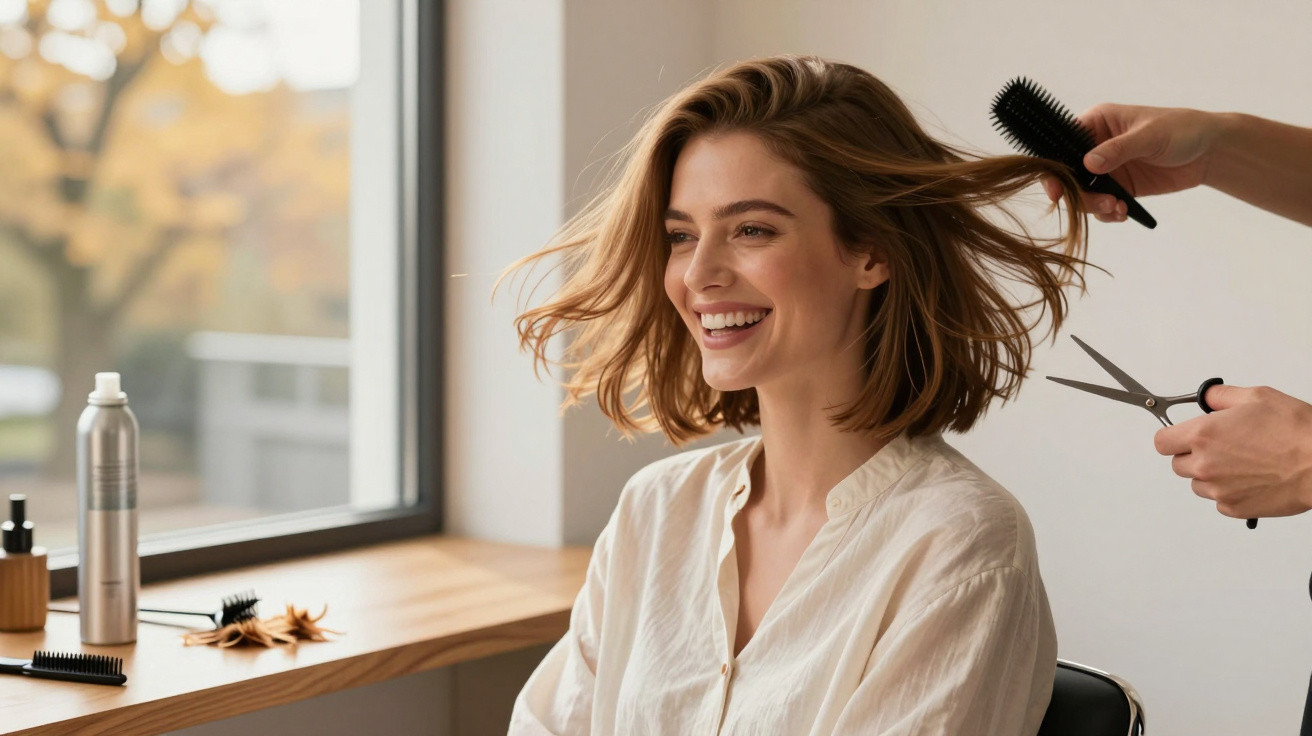
Sun, salt and heat styling can leave fine hair in poor condition by autumn, yet one smart bob cut offers a stylish reset.
The swinging bob is steadily emerging as the preferred haircut for anyone dealing with scorched-looking, limp ends after summer. Favoured by both celebrity stylists and stars, this bob is said to restore bounce, gloss and body without requiring a drastic chin-length cut.
What sets the swinging bob apart
At first, the swinging bob may seem like simply another polished short hairstyle. A closer look reveals a more technical construction, created with delicate, fine hair in mind.
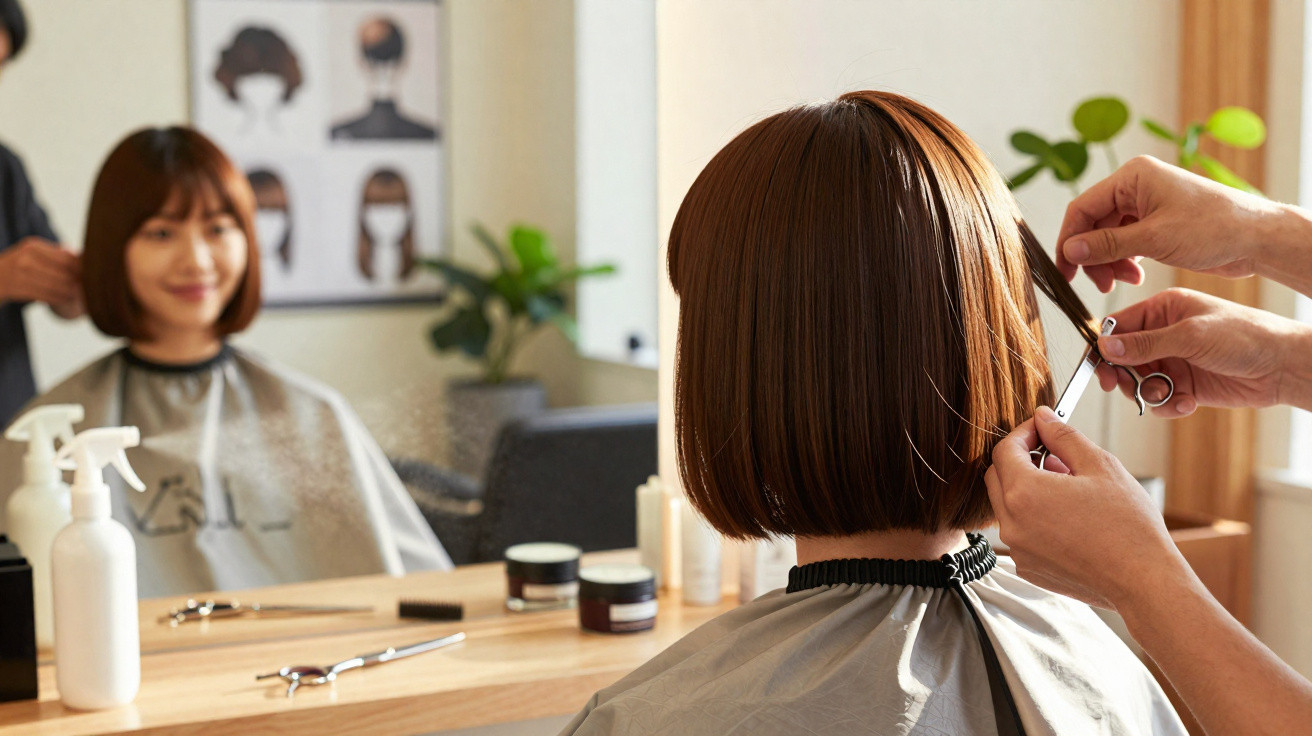
The swinging bob is a layered, slightly angled bob that removes dead length while boosting movement and lift at the back.
Rather than being cut bluntly to one uniform length, the hair at the back is layered with care. Those hidden layers form a light, rounded silhouette that helps thin hair look more substantial. The cut then lengthens subtly towards the front, where the sections frame the face.
This forward tilt serves two purposes: it retains a soft, feminine appearance while letting the hairdresser take away several centimetres of damage, where the hair is generally at its driest.
Why autumn is the right moment for this cut
By the start of autumn, many people find that their hair has become coarse and prone to snapping. UV exposure, sea salt, chlorine and wind all strip moisture from the cuticle. As fine hair has a narrower diameter to begin with, it reveals damage sooner than thicker hair.
Most hairdressers agree that no treatment mask can genuinely mend split ends. Cutting them away is the only true answer, allowing healthier lengths to grow in. The swinging bob provides a tidy way to achieve this while maintaining a current, fashionable feel.
How the swinging bob is cut
Hairdressers characterise this style as both graphic and soft: accurate in its outline, yet fluid when it moves. It is normally created in the salon as follows:
- Back of the head: heavily layered to provide lift and “swing” as you move
- Side view: gently angled towards the front, with a shorter nape and longer front
- Front pieces: extended strands sitting at the jawline or just beneath it, according to face shape
- Parting: generally swept to one side for a glamorous, asymmetric effect
- Finish: relaxed, soft waves rather than defined curls or poker-straight lengths
On fine, damaged hair, the layered back removes weight where it is needed, while the longer front keeps a flattering frame around the face.
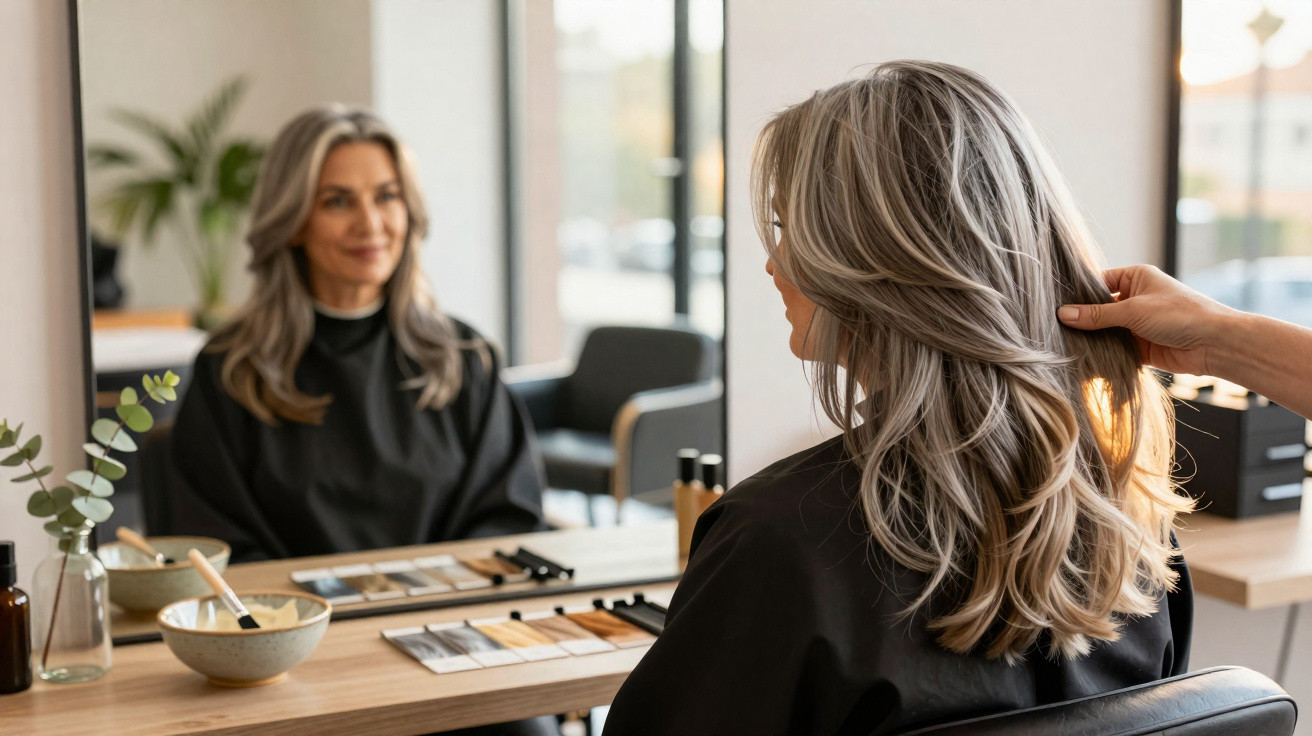
Many stylists finish the cut with a side parting and large, brushed-out waves, echoing styles recently seen on red carpets. This finish amplifies the “swinging” motion from which the hairstyle takes its name.
Why the swinging bob suits fine, damaged hair
Fine hair commonly falls flat at the roots and becomes wispy at the ends. Although conventional blunt bobs can appear sleek, they may also draw attention to limited volume. The swinging bob is intended to correct that imbalance.
Main benefits for fragile hair
| Hair concern | How the swinging bob helps |
|---|---|
| Split, dry ends | The length is reduced sufficiently to remove the most damaged sections. |
| Lack of volume | Back layers build lift and give the outline a fuller appearance. |
| Flat roots | A shorter nape and layering allow the hair to rise rather than fall flat. |
| Ageing hair | Movement and face-framing sections soften the features for a fresher appearance. |
The style also works well on naturally straight or gently wavy hair. Even a slight curve through the hair shaft can bring the layers to life, particularly when it is styled with a round brush or curling iron.
How it measures up against other trending bobs
The bob category is busy this season: “micro bobs”, “French bobs”, sharp “razor-cut bobs” and ultra-short “nape bobs” are all competing for attention on Instagram and the catwalks. Each style addresses a separate preference.
Nape bob for a striking neck reveal
Cut high at the back of the neck, the nape bob is suited to people comfortable with shorter hair who want to draw attention to their posture and neckline. It is especially flattering on oval or long faces because it highlights bone structure and lengthens the silhouette.
By comparison, the swinging bob is somewhat less daring. It leaves more of the neck covered, while the added front length offers greater versatility when styling, particularly for anyone uneasy about losing too much length at once.
Bombshell lob for anyone keeping more length
At the other end of the scale is the bombshell lob, a longer bob ending around the collarbones or just above the shoulders. It can often flatter round or mature faces, as its additional length creates a vertical line that visually narrows and lifts the features.
Think of the swinging bob as the middle ground: shorter and bouncier than a lob, softer and more forgiving than a sharp, blunt bob.
For anyone with particularly brittle ends, a stylist may advise moving from long hair to a bombshell lob initially, before transitioning gradually to a swinging bob when the client is ready to lose more length.
Who should request a swinging bob
The haircut can be adjusted for numerous face shapes, although it is particularly flattering for:
- Fine to medium hair with insufficient volume
- Hair affected by sun exposure, colouring or regular heat styling
- Oval, heart-shaped or mildly square faces
- People who prefer softness and movement over severe, straight lines
People with very curly or coily hair can wear an adapted version too, although the cut needs modifying. The angle should be more subtle, with layers introduced cautiously to prevent a triangular shape. In this case, a consultation with a stylist experienced in textured hair can make a considerable difference.
Styling advice to preserve the “swing”
The haircut provides much of the effect, but styling maintains its refined, healthy-looking finish.
- Apply a light volumising mousse or spray to the roots while the hair is damp.
- Use a round brush when blow-drying, raising the hair at the back of the head.
- Form loose waves with a large-barrel curling iron, ensuring the curls always point away from the face.
- Apply a texturising spray through the mid-lengths to encourage movement, and avoid weighty oils at the roots.
For hair that is recovering from damage, heat protection is essential. Using a thermal spray before blow-drying or curling can help guard against further breakage, particularly on the delicate face-framing front sections.
Upkeep, trims and realistic expectations
As the swinging bob depends on its shape, frequent trims ensure it continues to look deliberate rather than unplanned. Most stylists suggest visiting the salon every six to eight weeks. This timetable prevents split ends from travelling back up the hair shaft and reversing the gains of the first cut.
Anyone expecting instant “thickness” should remember that a haircut cannot alter the number of hairs on their head. Instead, it controls weight and motion so fine strands sit more closely together and appear denser. Alongside gentle care – less aggressive shampooing, restricted heat and occasional strengthening treatments – the visual difference can nevertheless be striking.
Key terms and situations if you are unsure
Two concepts are frequently mentioned in relation to this hairstyle: “layers” and “graduation”. Layers are sections cut to varying lengths within the interior of a haircut, adding texture and reducing bulk. Graduation refers to hair building from shorter to longer lengths, often around the nape.
The swinging bob combines the two techniques. Graduation at the back raises the outline, while gentle layers stop the hair appearing too solid or blocky. For someone apprehensive about a major change, a stylist may initially create a longer, more understated swinging bob before shortening it and making the angle stronger over two or more appointments.
Consider two examples. In the first, long hair faded by the sun remains uncut, while split ends slowly move upwards and leave the full length looking sparse. In the second, that same client chooses a swinging bob, gives up several centimetres and gains a compact, glossy outline. The physical quantity of hair is unchanged, but the latter example will almost always appear healthier, thicker and more manageable.
For many people with fine, damaged hair, this compromise – slightly less length in exchange for much more life – is precisely what the swinging bob aims to provide.








Comments
No comments yet. Be the first to comment!
Leave a Comment