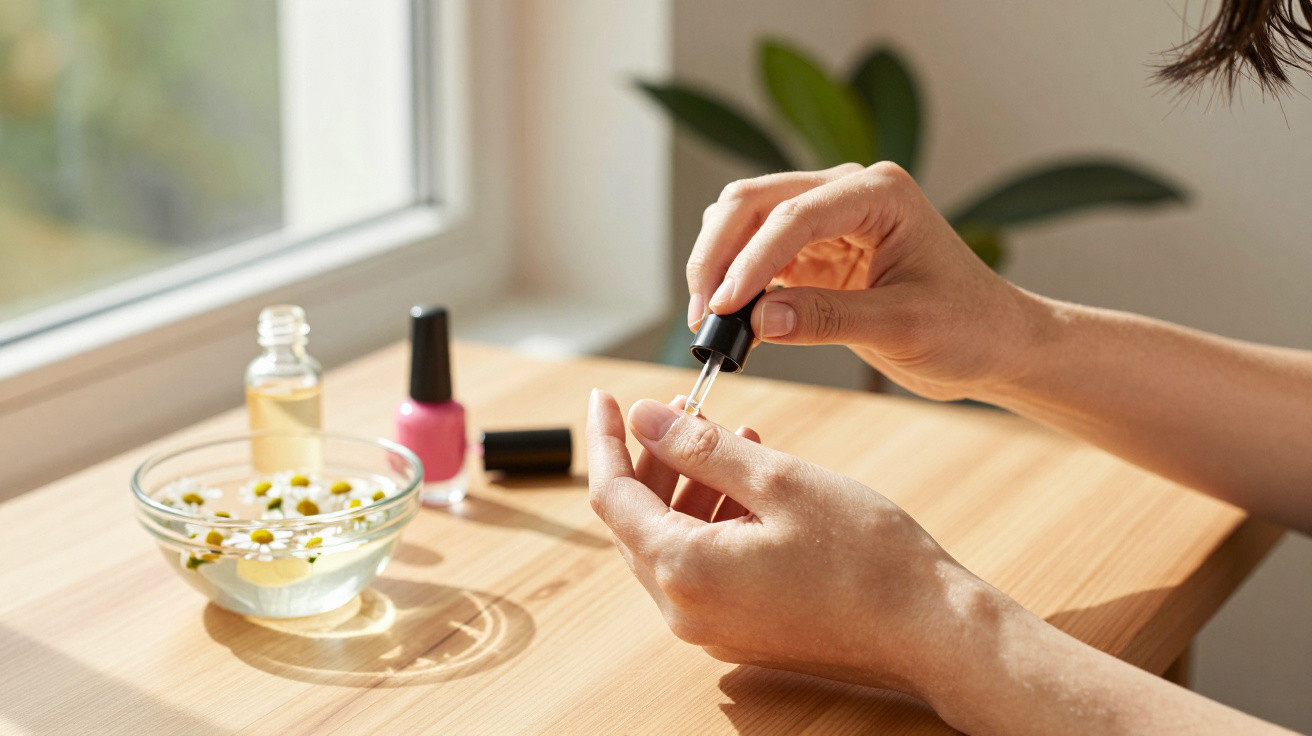
For a decade, there seemed to be no limits in the world of nails: acrylic extensions, coloured gel, three-dimensional nail art and ever more daring lengths dominated social media and salons. Yet a subtle shift is under way. Short, clean and well-maintained nails, with no polish at all, have become a mark of elegance for a growing number of women who prioritise health over aesthetics.
Where this shift comes from and why it is growing now
The trend is closely connected to the quiet luxury and clean girl aesthetics, both of which suggest that genuine elegance does not require excess. In this approach, well-moisturised hands, groomed cuticles and perfectly filed nails signal more refinement than any elaborate nail art. Visible care is replacing visible decoration.
There is also a clear health reason behind the choice. Long-term use of gel polish and acrylics, which require aggressive filing for adhesion and removal with high-concentration acetone, causes cumulative damage to the nail plate over time. Many women only realise how weak their nails have become when they choose to remove everything.
- Cuticle oil: used daily, it moisturises the skin around the nail, helps prevent cracking and creates a nourished, healthy appearance without any coloured product.
- Strengthening serum: formulas designed for weak nails can help rebuild keratin damaged by prolonged gel polish and acrylic use.
- Nail file and shine buffer: careful filing combined with a natural buffer gives the nail a subtle shine, removing the need for any polish.
- Protective hand cream: integrating hand care with nail care is central to the trend, which values the overall appearance rather than only the fingertips.
- Toxin-free strengthening base coat: for those wanting an extra layer of care without giving up colour, there are base coats free from formaldehyde, toluene and phthalates that protect without causing harm.
What polish does to nails over time
This is not alarmism. Continuous polish use, especially gel polish and acrylics, brings documented consequences that build up over time. The main one is thinning of the nail plate: filing needed to make the product adhere removes layers of natural keratin, leaving nails thinner, more brittle and more likely to break easily.
Yellow staining and white spots, known as keratin granulomas, are another common result of the reduced oxygen exposure caused by products that fully seal the nail surface. When an airtight seal traps moisture underneath, it can also create conditions favourable to fungal growth, particularly in humid tropical climates.
Conventional nail polish chemicals that concern specialists
One reason behind the move towards natural alternatives is the composition of traditional nail polishes. Ingredients such as formaldehyde, used as a hardener, toluene, which keeps the polish liquid, and dibutyl phthalate, which provides flexibility, have been linked to health risks with frequent exposure. Several European countries have already restricted or prohibited these substances in cosmetics.
Three types of polish damage that go unnoticed for years
Thinning, staining and infections are the most common consequences.
Thinning is the most frequent issue: the nail gradually loses thickness because of repeated filing and the strong chemicals used during removal. Over time, it becomes brittle and difficult to keep at the desired length. Stains and yellowing result directly from reduced oxygen exposure, especially on nails permanently covered in gel.
Fungal infections, meanwhile, are encouraged by the damp environment created when polish completely seals the nail plate and moisture remains trapped between the product and the nail surface. Warm, humid conditions increase this risk compared with dry or temperate climates, where the trend has also grown.
The natural nails trend does not ask women to stop caring for their hands. On the contrary: it requires more attention and discipline than polish, because without colour there is no way to conceal dry cuticles, poorly filed nails or neglected skin. A beautiful result comes from consistent care, not coverage.
How to make the transition without damaging your nails in the process
Anyone who has worn gel or acrylics for a long time needs patience during the transition period. Sudden removal can leave nails looking extremely thin and dull. The gentler option is to have them professionally removed rather than peeling or filing them off at home, then apply strengthening serum daily and accept that natural nails need a few weeks to regain a healthy appearance.
During this period, a fine-grit file and a four-sided buffer are valuable tools. The final side of the buffer gives the nail surface a natural shine that recreates a polished appearance without any coloured product. For those who still want to use something, toxin-free base polishes and vegan formulations are now available to protect nails without harsh treatment.
A trend that represents more than aesthetics
The natural nails movement is part of a wider conversation about conscious beauty and responsible consumption. Fewer products, more care. Less coverage, more attention to what lies underneath. It is no coincidence that this trend is growing alongside interest in simpler skincare routines, cleaner ingredients and cosmetic choices that consider long-term health effects.
None of these changes needs to be drastic to be meaningful. A few weeks away from polish can already be enough for nails to show how much they needed to breathe.
This is one of those trends that divides opinion. Share it with someone who is also considering taking a break from nail polish, or with someone who will want to debate whether the fashion makes practical sense.








Comments
No comments yet. Be the first to comment!
Leave a Comment