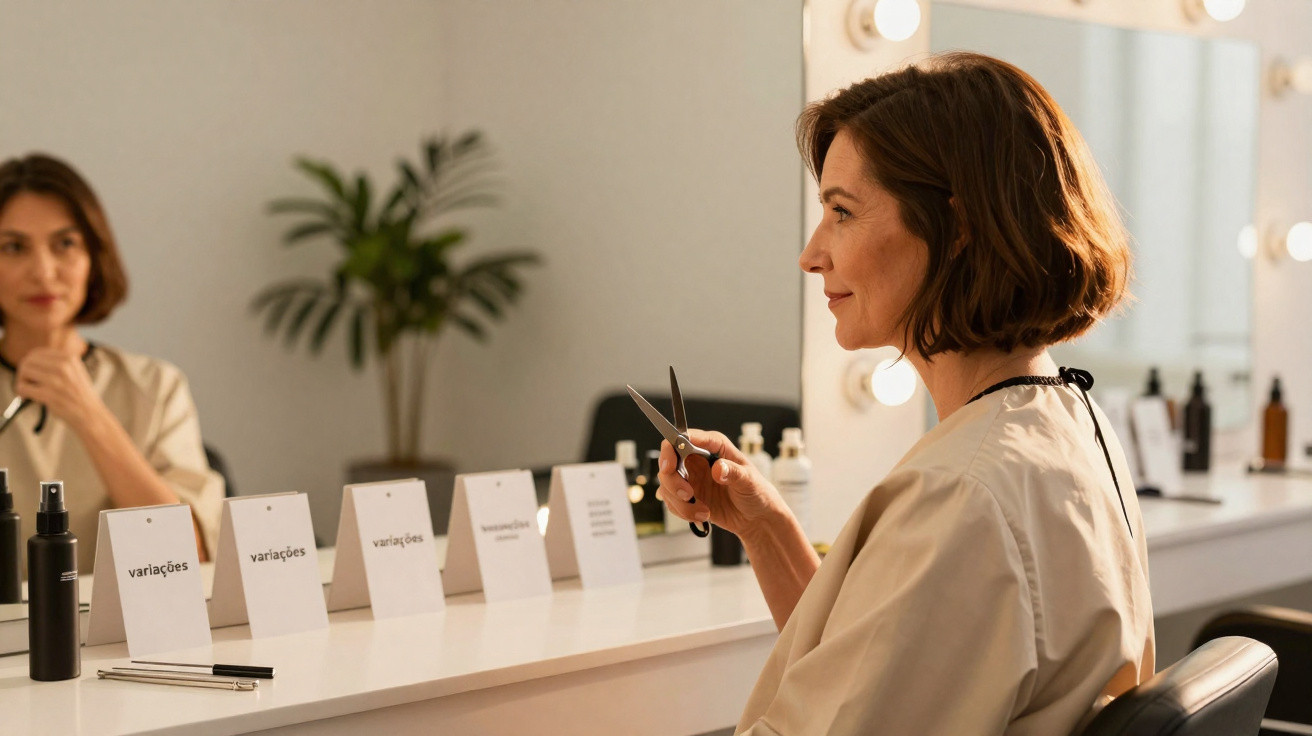
At a salon on a wet Tuesday, three women in their fifties sat in a row facing the mirror.
They were in a similar age bracket and wanted the same thing: “I want something fresh, something short.” Yet 20 minutes later, the three reflections could not have been more different. One woman looked radiant. Another appeared more defined and revitalised. The third looked as though she had aged by ten years: her features seemed harder and her jaw more pronounced. The same scissors had produced very different results. The hairdresser sighed, then said quietly: “That’s the one cut I wish women over 50 would stop asking for.”
She did not mean grey hair or an adventurous pixie cut. She was referring to one particular short style that appears again and again in magazines: the cut that looks elegant on a 25-year-old model but oddly severe on a face that has lived, smiled and worried. It is a style that leaves little room for forgiveness - and can age you more visibly than wrinkles do.
The short haircut that ages the face after 50
When you ask several hairdressers which short style is least flattering after 50, many describe the same look: a firm, very short bob that finishes precisely at the jaw, cut into a straight, weighty line and often paired with thick, blunt fringe. Pinterest calls it a “French bob”. But on a mature face, its effect in everyday life can be entirely different.
This style puts a severe outline around the face. There is no softness, movement or subtle definition. Because the hair ends exactly where the jaw begins, it forms a close border that directs attention straight to the lower face. Any slight sagging or tension in the neck becomes more noticeable. On a 25-year-old with smooth, youthful skin, this may not matter. On a 55-year-old who has lived, laughed and cried, however, the contrast can feel harsh.
The issue is not short hair itself. It is hair that is short, blunt, heavy and inflexible. A block-shaped bob without layers, graduation or airiness exaggerates every facial angle. The more graphic the line, the more severe the result. Add a dense, straight fringe that divides the forehead in two, and the upper face appears visually smaller. Attention is then drawn directly downwards, towards jowls, marionette lines and the neck. It is rather like highlighting the very areas you would prefer to soften.
Hairdressers see this pattern repeatedly in the salon. A woman arrives with mid-length hair, often worn tied back most of the time. She asks for a “change” and shows a picture of a young actress with a short geometric bob. “I want this, but shorter, and very straight.” The haircut is done. The hair appears sleek and precise - until the mirror reveals the opposite of what she had hoped for: she feels older, sterner, almost like a “school principal”.
Claire, 57, experienced exactly this last year. Ahead of an important work event, she changed her shoulder-length hair for a jaw-length bob with a heavy fringe. “On photos, I looked tired and closed off,” she says. “My colleagues told me I seemed ‘very serious’. I realised later they meant ‘harsher’.” Three months later, she went back to her stylist and asked to have the whole look softened. Just a few extra centimetres and light layers transformed the way her face appeared.
There is a practical drawback, too. These impeccably structured bobs demand considerable upkeep. Keeping the line perfectly straight and the fringe smooth requires frequent blow-dries, straightening and brushing. Realistically, few people maintain that every day after 50, alongside work, parents, children and life in general. A cut that is razor-sharp on the first day can therefore turn into a shapeless block within a month, caught between too short and too long. The hard line remains, but the polish disappears.
Technically, this “worst short cut” works against the natural changes in the face. After 50, many faces lose fullness around the cheeks and temples while the lower face gains visual weight. A blunt, horizontal line at jaw level reinforces that downward shift. It creates a visual ledge where the eye comes to rest, with nowhere else to travel.
Used thoughtfully, hair can provide a soft form of contouring. Light layers, delicate ends and subtle graduation guide attention upwards and introduce movement. A rigid bob achieves the reverse: it fixes everything in place and makes the expression seem locked in. That is why it can appear ageing, even when the colour is lovely and the hair is in good condition. The problem is one of geometry rather than age. The cut works against the face instead of complementing it.
How to choose a short cut that lifts instead of ageing
Choosing short hair after 50 can feel freeing, provided the structure is right. The key is to retain softness and airiness. Hairdressers frequently suggest a length that falls just above or just below the jaw, rather than ending directly on it. A “soft bob” grazing the collarbones, or a cropped style that leaves the neck visible, can make the whole lower face seem lighter.
Layers are an invaluable tool. Not harsh, choppy layers, but subtle ones that are nearly undetectable. They disrupt the solid-block effect, create movement near the cheekbones and temples, and prevent a helmet-like finish. Even a very short pixie can be highly flattering when it has texture at the crown and gentler edges around the ears and nape. The aim is simple: avoid anything that resembles a stiff frame around the face.
Here is a useful test: once your hair has been styled, check your profile in the mirror. If the haircut makes a straight horizontal line across the jaw, dividing your head like a Lego piece, consider it a warning sign. If it includes diagonal movement, a few front sections that fall a little longer, or height at the crown, it is more likely to flatter your face. A good short cut should look alive, not drawn with a ruler.
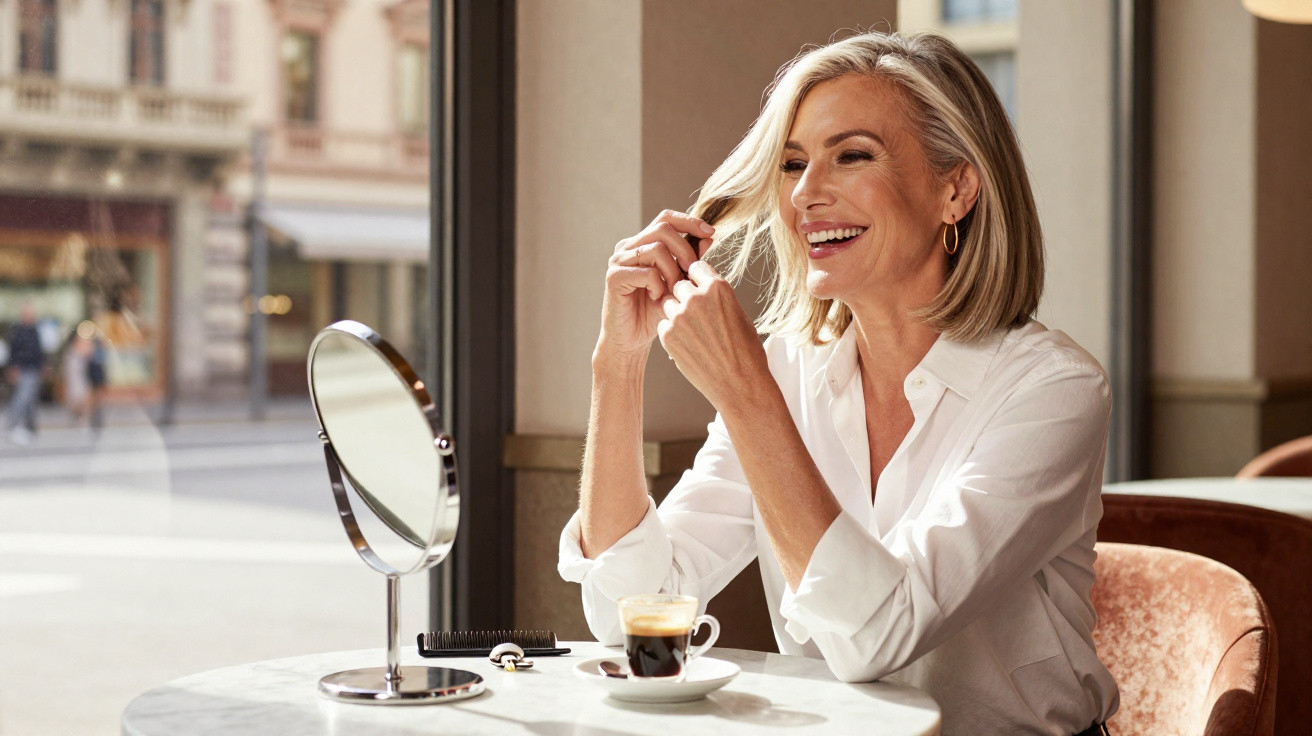
One of the most flattering choices you can make is to release the idea that short hair must be “very straight and very chic”. A short style can be tousled, gentle and slightly undone in a deliberate way. Many women over 50 look particularly radiant in cropped styles that reveal the neck and ears while retaining fullness over the crown and around the cheekbones. That volume creates a lifting effect by drawing the eye upwards.
Take care with fringes. They can beautifully soften forehead lines or bring focus to the eyes, but a thick, blunt fringe falling straight across the forehead may weigh down the expression. A curtain fringe that lengthens at the sides, or a fine side-swept fringe, is generally more forgiving. It interrupts the forehead line without enclosing the face. Think movement rather than a barrier.
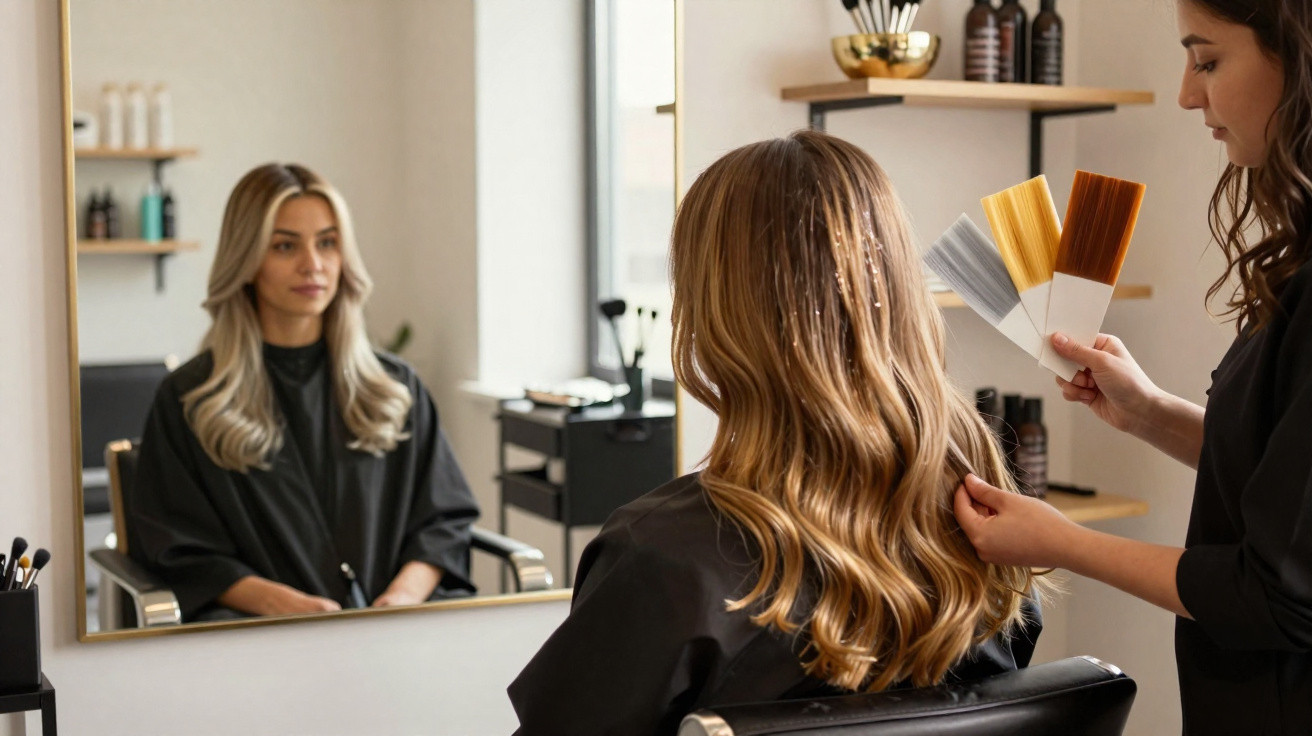
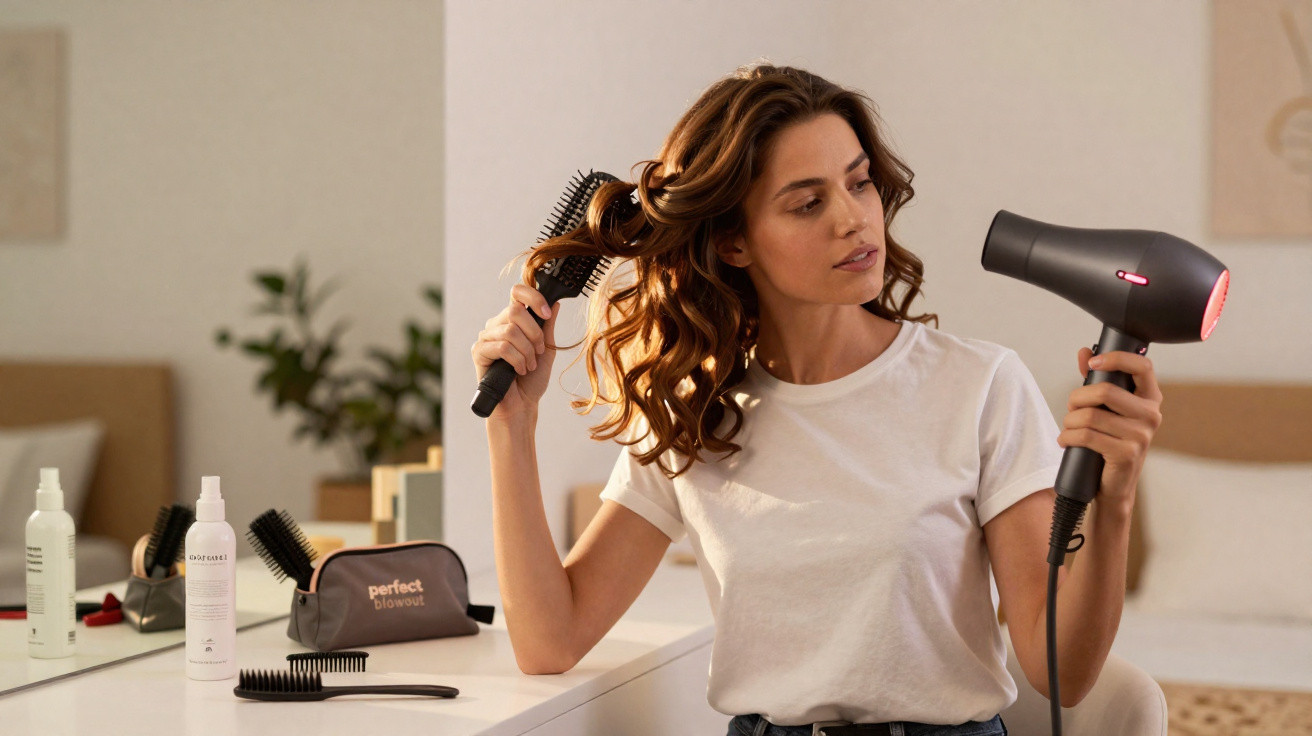
Colour matters as well. Very dark, completely uniform colour can make features appear harder, particularly alongside a strong bob. A few lighter pieces around the face, or a gentle blend of grey tones, adds brightness and dimension. These subtle variations can make even a structured cut feel softer. Let’s be honest: nobody really does a perfect daily blow-dry with a round brush and shine spray. Choose a shape and texture that still work when you have simply dried your hair with your fingers.
“For women over 50, my golden rule is simple,” says London-based stylist Marco H., who specialises in mature hair. “No hard corners around the jaw. The cut should hug the face, not box it in. When I see a perfectly horizontal bob on a woman with a softer, oval or slightly sagging jawline, I know it’s going to add years.”
Most of us have had the experience of seeing a party photo appear on WhatsApp and hardly recognising ourselves - with a haircut that certainly does not help. That is often when people feel tempted to change everything immediately. Before you do, remember this short checklist:
- Steer clear of blunt, jaw-length bobs that finish in a heavy straight line.
- Request soft layers and movement around the cheekbones and temples.
- Experiment with length: just below the jaw or exposing the neck is usually more flattering than stopping exactly at jaw level.
- Choose light, airy fringes rather than dense, straight bangs.
- Consider your routine: opt for a cut that still looks presentable when you only do the minimum.
Short hair after 50: letting your face, not fashion, lead
A subtle change is taking place in many salons. Women over 50 are no longer arriving to ask for a “young” haircut. Instead, they want a style that still feels like them, only lighter. The most ageing short cut often results from pursuing someone else’s image: a model, a trend or a version of yourself from ten years ago. The most flattering styles begin with the face you have today, rather than an old photograph.
While you sit in front of the mirror, notice what changes when your hairdresser lifts a section here or tucks a strand there. You will spot it: there is a sweet spot where your eyes look brighter, your jaw seems less heavy and your neck appears longer. That is the shape and length to pursue. No magazine can understand this better than the reflection in front of you, and no supposedly perfect Instagram bob should outweigh that moment of truth.
Short hair after 50 is neither a requirement nor a concession. It can be a way of saying: this is my face now, and I will not conceal it behind a curtain of hair or a graphic helmet. I will frame it. Some women will suit a softly layered crop around the ears, while others will shine with a gentle lob brushing the collarbones. Compared with that freedom, the notorious blunt bob at jaw length is revealed for what it is: a rigid uniform attempting to erase time rather than move with it.
| Key point | Detail | Benefit for the reader |
|---|---|---|
| Avoid the “hard jaw bob” | Blunt, jaw-length bobs with thick fringes emphasise jowls and heaviness in the lower face | Helps you avoid the cut that ages the face most after 50 |
| Choose softness and movement | Light layers, airy fringes and lengths that are slightly longer or shorter visually lift the features | Offers practical ideas for refreshing your look without a drastic change |
| Let your face guide the cut | Watch how different lengths affect your eyes, jaw and neck in the mirror | Helps you discuss and create the right hairstyle with your hairdresser |














Comments
No comments yet. Be the first to comment!
Leave a Comment