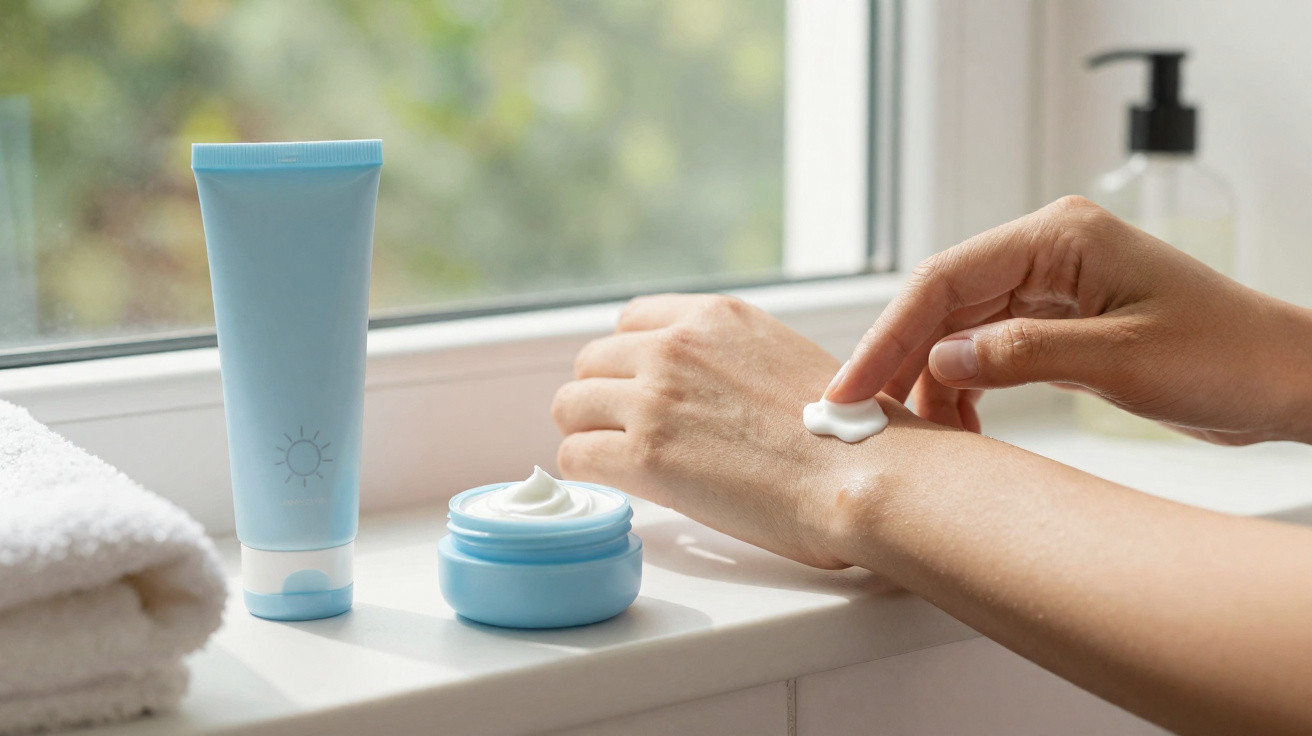
A thick, familiar moisturiser can feel like a protective layer, particularly when skin is dry after a shower or a day outdoors. That comforting finish is exactly why the classic blue tub is a bathroom-cabinet staple for many people. But a rich cream and a sunscreen do different jobs.
The useful rule is straightforward: do not count on a moisturiser for sun protection unless the pack clearly gives an SPF and a UVA rating. Check the exact product you own, as formulations and packaging can vary. The classic blue-tub cream may be helpful for dry skin, but it should not replace a properly labelled sunscreen when you are outdoors.
Moisturiser and sunscreen are not interchangeable
Moisturisers are made to soften the outer layer of the skin and help it feel less dry or tight. They commonly use ingredients that draw in moisture, smooth rough patches or reduce water loss from the skin’s surface.
This can be particularly welcome in the UK during colder months, when wind, central heating and frequent hand-washing can leave hands, shins and elbows uncomfortable. A dense cream may also leave a slight sheen, which can make it seem as though it is forming a barrier.
That feeling is not the same as tested protection from ultraviolet radiation. Sunscreens contain UV filters and are assessed for the level of protection stated on their packaging.
Skin can feel soft, comfortable and well moisturised while still being exposed to ultraviolet radiation.
Why it is easy to confuse the two
The confusion is understandable. A rich cream is often used before going out in cold or windy weather, and its thick texture can feel reassuring on exposed skin. But texture, price and a glossy finish do not indicate sun protection.
It is also easy to underestimate the sun in Britain. Cool temperatures, cloud and a breeze can make a day feel harmless, especially in spring or early autumn. UV can still be relevant, however, and reflected light can add to exposure near water, sand or pale paving.
Looking at the UV index in a weather app can help you plan. When it is 3 or above, NHS sun-safety advice recommends taking steps to protect skin, including shade, clothing and sunscreen.
What to look for on a sunscreen label
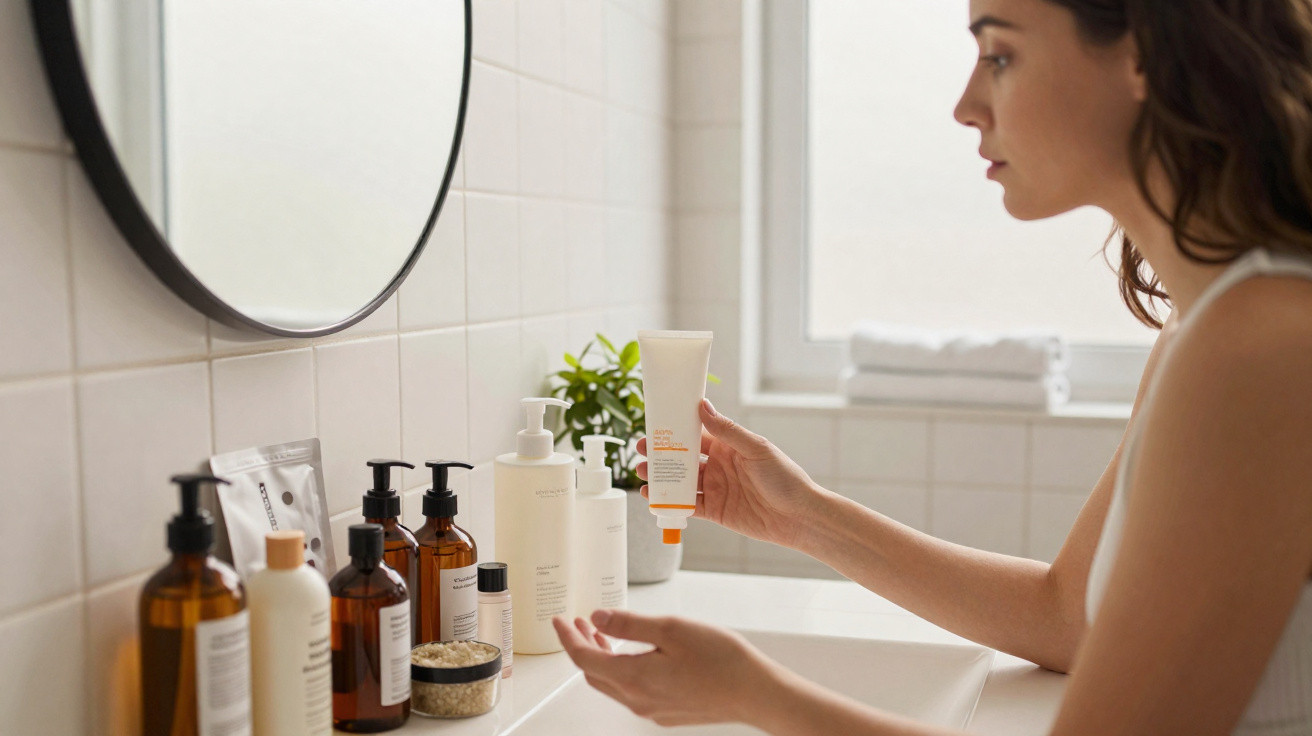
Use the information on the pack rather than assuming a day cream or foundation provides enough protection. For exposed skin, choose a product with:
- SPF 30 or higher
- UVA protection, such as the UVA-in-a-circle symbol or a high UVA star rating
- A formula suitable for where you will use it, such as face, body, lips or scalp
- Clear instructions for application and reapplication
SPF refers mainly to protection from UVB, the type of UV radiation linked with sunburn. UVA also matters: it can penetrate deeper into skin and is associated with premature skin ageing and skin damage. A suitable sunscreen should address both.
Products that combine moisturiser and SPF can be convenient, but only if they have an adequate SPF and UVA rating and are applied generously. Make-up is usually applied in a thinner layer than sunscreen, so foundation with SPF is best viewed as an extra layer rather than your only protection on a sunny day.
A practical routine: SPF in the morning, rich cream when needed
There is no reason to throw away a favourite moisturiser. Giving each product a separate role is the simple solution.
1. Moisturise dry areas
Use a rich cream where it feels most useful, for example on:
- elbows and knees
- shins and ankles
- hands and cuticles
- heels and feet
- skin that feels tight after washing
Applying moisturiser after bathing, while skin is still slightly damp, can help lock in moisture. If you use it on your face, start with a small amount: very rich creams can feel heavy for some skin types.
2. Apply sunscreen to skin that will be exposed
For everyday outdoor time, this often includes the face, ears, neck, chest, forearms and hands. When you will be outdoors for longer, cover all exposed skin, including easy-to-miss areas such as the back of the neck, tops of the feet and parting in the hair.
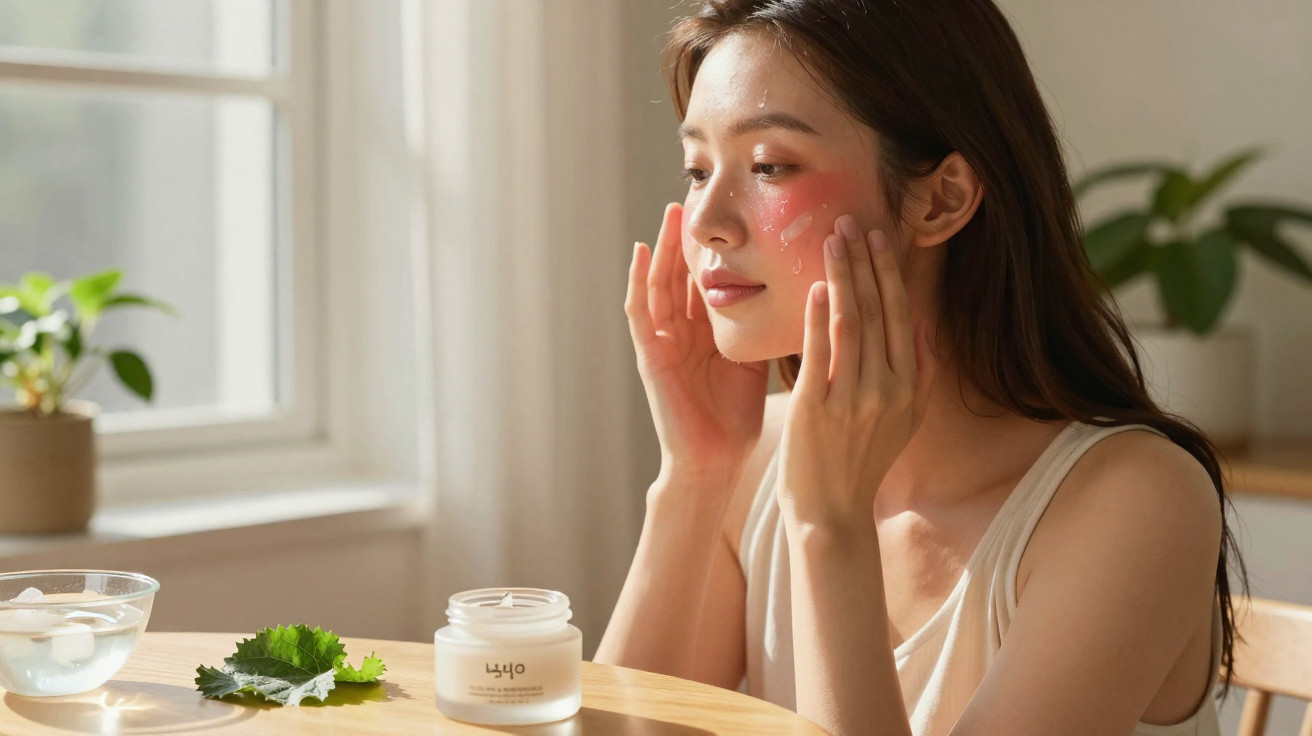
If you need both products on your face, apply your moisturiser first and allow it to settle. Then apply sunscreen evenly over the top. Do not mix them together in your palm, as this can make the sunscreen layer patchy and makes it difficult to judge how much protection you are applying.
3. Reapply while outside
Sunscreen can be rubbed away by clothes, towels, hands, sweat and water. Reapply according to the product instructions, and straight after swimming, sweating or towel-drying.
Sunscreen is only one part of sun safety. Seek shade when the sun is strong, wear suitable clothing and a hat, and use sunglasses that provide UV protection.
Think of a rich moisturiser as comfort for dry skin, not as an invisible parasol.
When the blue tub can be especially useful
A dense moisturiser can be a good choice for body care, particularly in autumn and winter. It may be useful on areas that tend to become rough or flaky, such as hands, lower legs and heels.
It can also be applied after a day outdoors, once you are out of the sun, if skin simply feels dry. If skin is sunburnt, keep care gentle: get out of the sun, cool the skin with a cool shower or damp cloth, drink fluids and follow NHS advice. A moisturiser is not a treatment for severe sunburn.
People with oily or spot-prone facial skin may find a heavy cream uncomfortable or more likely to leave a greasy finish. That does not make the product unsuitable overall; it may simply work better on the body. Introduce new skin-care products gradually if your skin is sensitive.
Common mistakes to avoid
Treating a glossy finish as protection
A cream can leave skin shiny and smooth without containing UV filters. Only the label can tell you whether it provides SPF and UVA protection.
Saving sunscreen for hot days
Temperature is not a reliable guide to UV levels. A bright but cool day, especially from spring to early autumn, can still call for sun protection.
Relying on one morning application
Even a carefully applied layer can wear away during the day. Take sunscreen with you if you are gardening, walking, exercising, travelling or spending time by the sea.
Forgetting the scalp and hairline
A visible parting, thinning hair or a closely cropped hairstyle can leave the scalp exposed. A hat is often the easiest option, alongside a suitable sunscreen where needed.
Using old or poorly stored sunscreen
Check the expiry date and the period-after-opening symbol. Replace sunscreen that is out of date, has changed noticeably in smell or texture, or has been stored for long periods in heat, such as in a hot car.
Sensible skin-safety notes
Patch-test a new product on a small area if you have very sensitive skin or have reacted to cosmetics before. Stop using it if it causes swelling, a rash, persistent stinging or worsening irritation. A pharmacist can advise on minor product reactions; seek medical help promptly for severe swelling, breathing difficulties or signs of a serious allergic reaction.
For babies and young children, prioritise shade, clothing and hats, and follow current NHS guidance on sunscreen and sun safety. If you notice a changing mole, an unexplained mark or a sore that does not heal, arrange an appointment with your GP rather than trying to manage it with cosmetic products.
Keep the moisturiser, add the sunscreen
The classic blue tub can still earn its place for dry hands, elbows, legs and heels. Its job is to moisturise and leave skin feeling comfortable, not to provide reliable defence against UV exposure.
For time outdoors, make a separate, clearly labelled SPF 30 or higher sunscreen with UVA protection part of your routine. Use the rich cream where dryness calls for it, and let sunscreen do the job it was designed to do.










Comments
No comments yet. Be the first to comment!
Leave a Comment