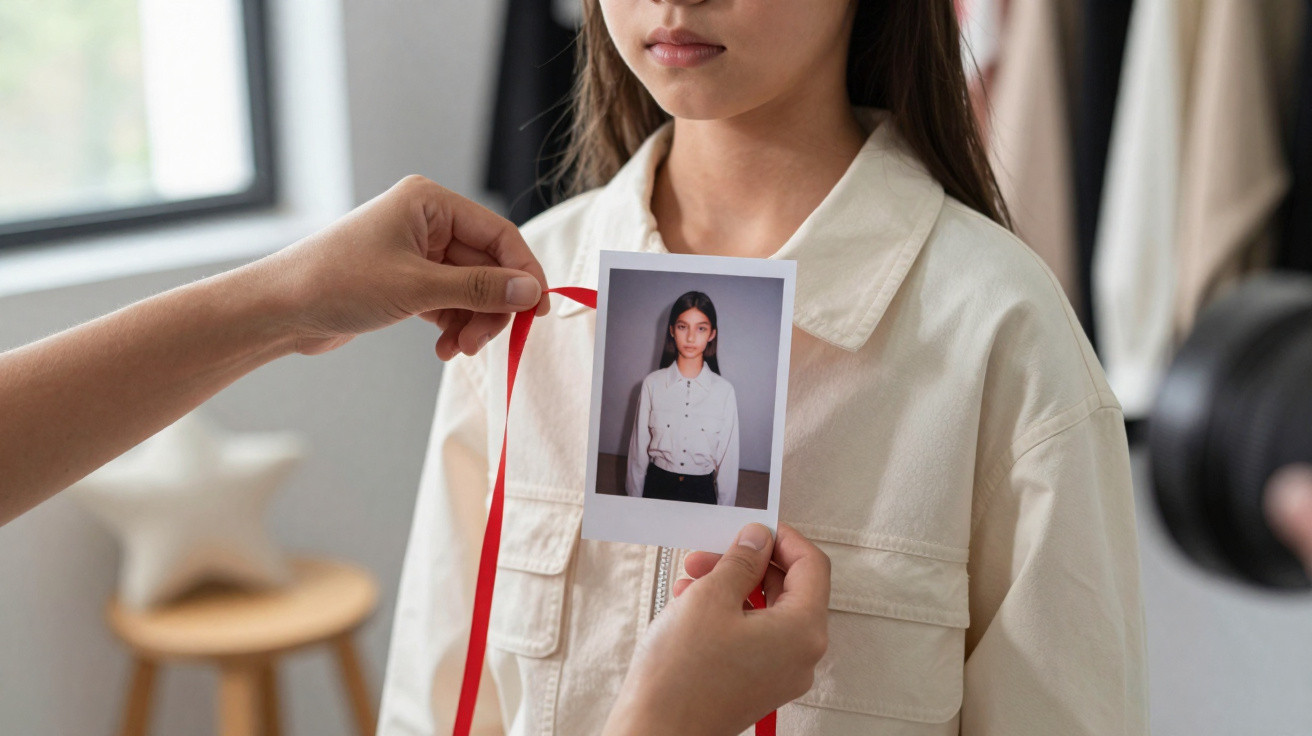
For children who enjoy fashion, dance or drama, a confident catwalk is not about looking like a miniature adult. It is about moving safely, listening to direction and having enough self-belief to carry on after a missed step or awkward pose.
That was the message behind the Model Kid Vietnam 2026 final, where 11-year-old Tạ Lâm Nhi - known as the “Circus Princess” - was announced as the winner. Her reported circus background brought movement skills to the stage, but the more useful lesson for families is to keep performance creative, age-appropriate and enjoyable.
A quick-fire final challenge
The Model Kid Vietnam 2026 final was held in Ho Chi Minh City on 18 October. According to the programme’s published results, 15 contestants took part, with seven progressing to the final group competing for the overall title.
The finalists were Vũ Bảo Nam, Trần Bảo Nam, Gia Nguyễn, Lâm Nhi, sisters Hiểu Lam and Tuệ Lam, and Bùi Ngọc Khánh An. Khánh An was also named Most Popular Contestant.
A photoshoot challenge was a central part of the final. These tests ask young contestants to respond to direction, use a prop comfortably, change position quickly and remain engaged with the camera.
None of that requires a fixed “fashion face”. The strongest images of children usually feel relaxed and full of character rather than overly rehearsed.
A child does not need to perform adulthood to look confident in a photograph.
Why Lâm Nhi caught attention
Lâm Nhi competed in coach TyhD’s team and was named the overall winner after the final challenges. Programme coverage showed her celebrating with fellow contestants after the announcement.
Her “Circus Princess” nickname reflects her family connection to performing arts and her experience with circus-style performance. Skills such as balance, coordination, posture and awareness of the space around her can be useful in a catwalk or photoshoot setting.
However, a child does not need specialist training to enjoy modelling. A willingness to try, to listen and to recover calmly when something goes wrong matters just as much.
The programme also highlighted Lâm Nhi’s readiness to take on difficult tasks during the competition. Her coach praised her effort and attitude.
Skills children can practise without pressure
For a child who is interested in modelling or performing, the aim should be exploration rather than perfection. Short, playful practice can help them become more comfortable in front of a camera without making their appearance the focus.
1. Think tall, not stiff
Good posture is not about locking the knees or forcing the shoulders back. Encourage a child to stand comfortably, let their shoulders relax and keep their head in a natural position.
Walking to music in a clear room can be enough. Invite them to try a slow walk, an everyday walk and a lively walk, noticing which one feels most natural.
2. Use simple, safe props
A prop can make posing less awkward because it gives hands something to do. A soft scarf, light jacket, paperback book or fabric bag can work well.
Keep the action simple: hold it, look at it, place it down or walk past it. Avoid complicated routines, breakable objects and anything heavy enough to cause an injury.
3. Explore expressions, rather than forcing poses
Instead of asking for a serious “model” expression, try a few moods:
- cheerful and open;
- curious;
- calm and thoughtful;
- surprised or playful;
- quietly confident.
A short run of photographs can show how a small change in hand position, head angle or eye line changes the image. Let the child choose the photos they like best.
4. Learn how to reset
Dropped props, forgotten directions and wobbly turns are normal. A useful habit is to pause, plant both feet, take a breath and continue.
This teaches resilience without making mistakes feel embarrassing.
A low-pressure practice session at home
Keep home practice brief and child-led. For younger children, 10 to 15 minutes is usually plenty. Stop sooner if they lose interest, become tired or say they do not want to continue.
A four-step routine
- Clear the space. Move bags, cables, toys and loose rugs out of the way. Use flat shoes with grip, or bare feet where suitable.
- Walk a short route. A hallway or clear living-room space is enough. There is no need for a raised platform or makeshift runway.
- Choose one soft prop. Try a scarf, light cardigan or small cushion. Leave out sharp, glass, heavy or unstable items.
- Take only a few photos. Five is enough. Discuss what the child enjoyed or did bravely, rather than criticising their body, face or clothes.
If images are shared online, a parent or carer should decide where they are posted and who can see them. Children should never feel pressured to create content for social media.
Recognition for the other finalists
The programme’s results also named Gia Nguyễn, Tuệ Lam and Khánh An as joint runners-up. Vũ Bảo Nam, also known as Jacob, Trần Bảo Nam and Trần Hà Hiểu Lam received third-place awards.
A competition will always produce rankings, but children can bring very different strengths to a creative challenge. One may be comfortable on a catwalk, another may respond well to a camera, while someone else may be especially imaginative with styling or supportive of their peers.
Model Kid Vietnam is a television competition for children interested in fashion and performance. Its challenges include catwalk and photoshoot tasks, but results should never be treated as a measure of a child’s value or future potential.
Common mistakes when supporting a child’s modelling interest
Adults set the tone. These are some of the easiest traps to avoid:
- Giving constant corrections. One clear suggestion is more helpful than interrupting every move.
- Choosing adult-looking styling. Clothing should fit properly, allow easy movement and suit the child’s age.
- Using unsuitable footwear. High heels, unstable platforms and oversized shoes can lead to falls.
- Focusing feedback on looks. Praise preparation, imagination, courage and kindness instead.
- Comparing children. A quiet child and an outgoing child can both be confident in their own way.
- Pushing through tiredness. Rehearsals, repeated takes and bright lights can be tiring. Offer water, breaks and a genuine option to stop.
Put safeguarding ahead of the photograph
Any professional casting, workshop or shoot involving children should have clear safeguarding arrangements. Parents or carers should know who is organising the session, who will be present, where it will take place, how long it will last and how images may be used.
A child should be able to decline an outfit, pose or activity that makes them uncomfortable. They should not be left alone with unfamiliar adults, and a trusted parent, carer or appropriate chaperone should be present in line with the organiser’s safeguarding arrangements.
Take particular care with acrobatics, aerial work and circus-style movement. These activities need qualified supervision, suitable equipment and proper mats; they are not safe to copy from online clips in a living room or garden.
Comfort, consent and safety matter more than getting the perfect shot.
Keep the experience playful
Lâm Nhi’s win shows how movement experience and an enthusiastic on-camera presence can stand out in a competitive setting. For most families, though, the valuable takeaway is much simpler.
Start with comfortable clothes, a safe clear space and a few playful ideas. Whether a child later joins a drama class, attends a casting or simply enjoys dressing up at home, the best outcome is that they feel listened to, capable and happy to have another go.



Comments
No comments yet. Be the first to comment!
Leave a Comment