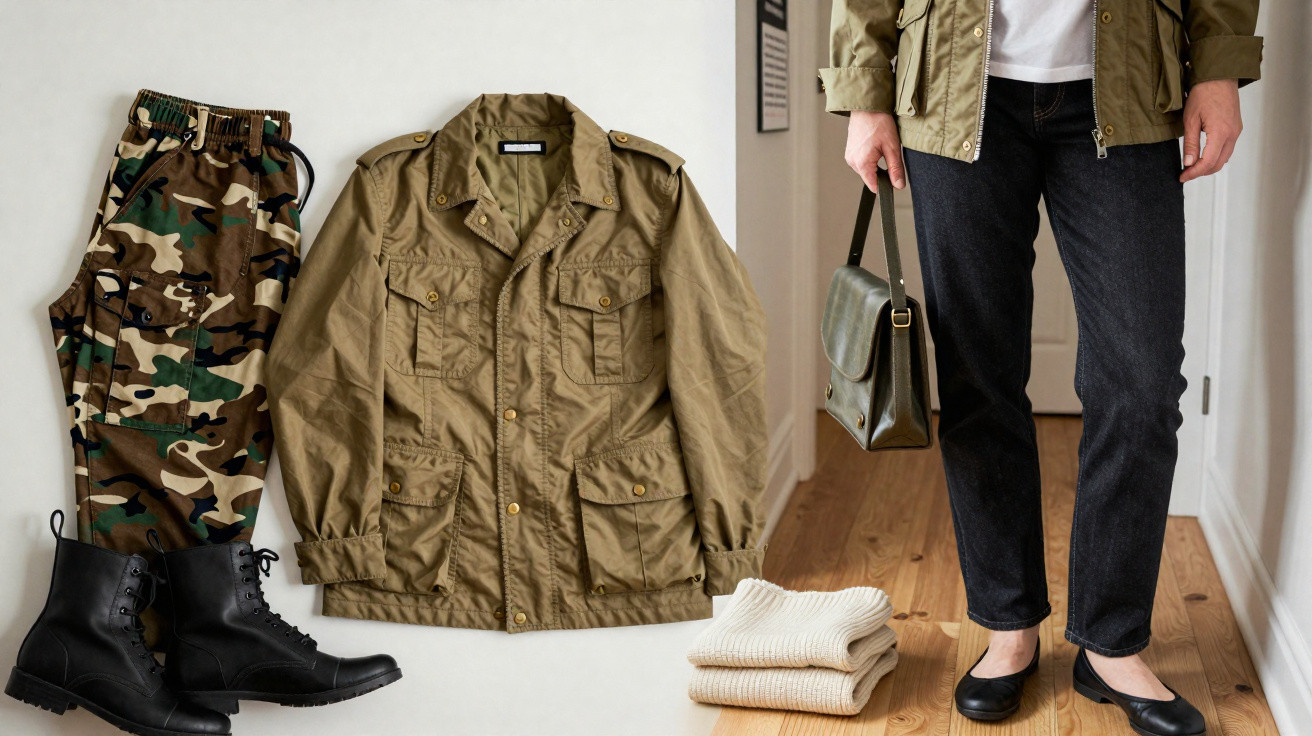
A military jacket can look brilliant on the rail, then oddly theatrical once it is on. The easiest way to wear one is not to build a costume around it. Treat it as the statement layer in an otherwise simple outfit: denim, soft knitwear, a plain dress or a pared-back skirt will do the balancing.
Today’s versions range from sharp officer jackets with braid and brass-look buttons to washed khaki field jackets, cropped utility styles and roomy surplus-inspired layers. Whether yours is vintage, second-hand or new, it can work far beyond a festival field. The key is proportion, a calm base outfit and knowing when one military reference is enough.
A military jacket works best when it looks like part of your wardrobe, rather than something borrowed from a dressing-up box.
What counts as a military jacket now?
The phrase covers several silhouettes, which is useful when you are shopping your own wardrobe, browsing charity shops or searching second-hand sites.
The most wearable options include:
- The field jacket: usually khaki, olive, navy or faded black, with patch pockets and a relaxed fit.
- The officer jacket: structured, often cropped or hip-length, with decorative buttons, piping, braid or epaulettes.
- The utility overshirt: lightweight and less formal, ideal for layering in spring or early autumn.
- The surplus-inspired parka: longer, looser and practical over knitwear, denim and trainers.
- The embellished jacket: a bolder style with embroidery, metal details, braid or a stand collar.
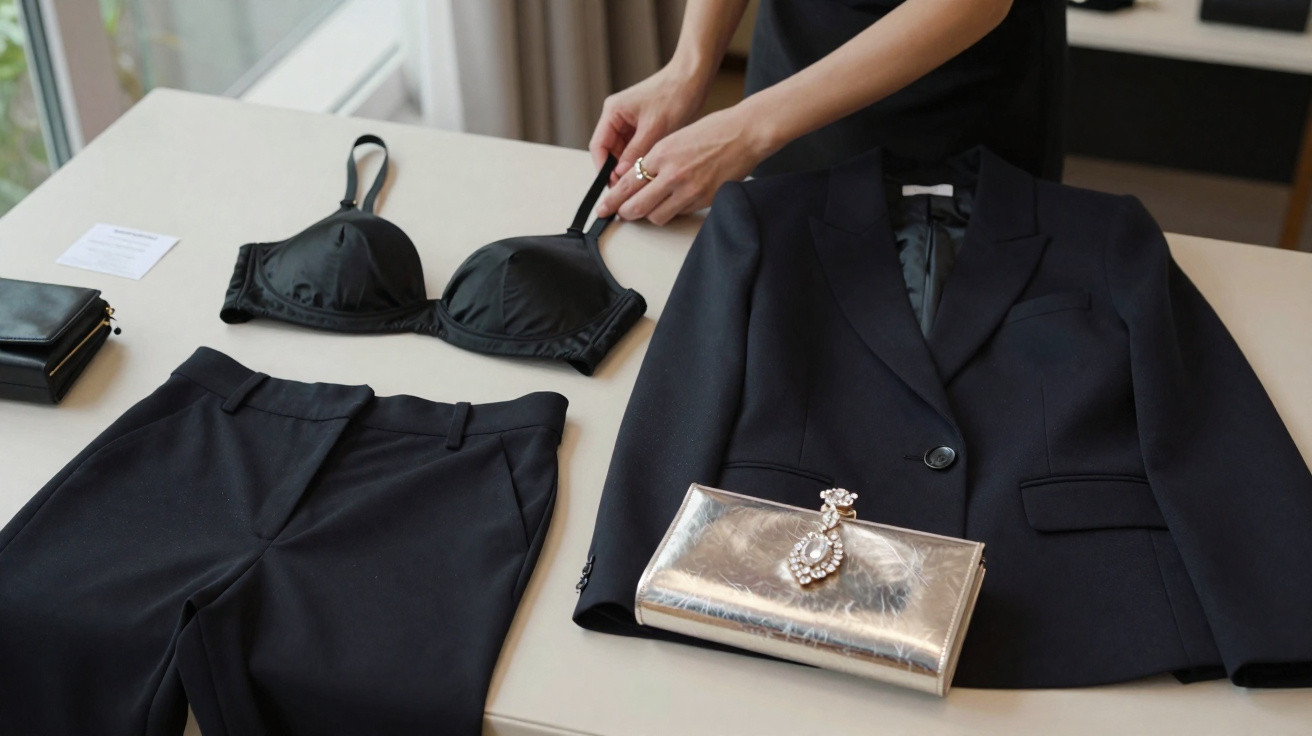
A soft, faded utility jacket is usually easiest for daytime. A fitted style with decorative trim can feel smarter in the evening, particularly with black trousers, a slip skirt or a simple mini dress.
Start with proportion, not decoration
Before worrying about buttons, badges or embroidery, consider the shape. Military-inspired jackets may be boxy, cropped, waist-defining or deliberately oversized. Creating contrast underneath stops the whole outfit feeling too heavy.
1. If the jacket is cropped or fitted
Pair it with volume or length below the waist:
- wide-leg jeans;
- tailored trousers with a fuller leg;
- a bias-cut midi skirt;
- a loose, ankle-length dress.
This works particularly well with a structured officer jacket. The jacket defines the upper body, while a longer or wider bottom half keeps the outfit current.
2. If the jacket is oversized
Keep the base layer closer to the body, without making it restrictive:
- straight-leg jeans and a fitted T-shirt;
- leggings with a longline shirt or fine knit;
- a mini skirt with opaque tights;
- a simple column dress.
An oversized field jacket already has a casual feel, so cleaner lines elsewhere help. Adding very baggy trousers, a huge hoodie and chunky boots all at once can make the outfit look more like a uniform than everyday clothing.
3. If the jacket is heavily decorated
Let it be the focal point. Wear it over a white vest, black knit, plain crew-neck T-shirt or uncomplicated dress. Braid, metallic buttons and shoulder details provide enough visual interest on their own.
Wear it with jeans for the easiest everyday outfit
Jeans are the most reliable partner for a military jacket that feels slightly daunting. They take the formality out of a tailored style and give a smarter jacket some welcome ease.
For an off-duty look, try mid- or dark-wash straight jeans, a plain T-shirt and loafers, trainers or ankle boots. A khaki field jacket works especially well with ecru denim, faded blue denim and charcoal jeans. The colours sit together without looking overly matched.
For a more fashion-led outfit, choose flared jeans with a short, fitted jacket. The combination has a subtle rock-and-roll feel, but can still look polished if the top is simple and the footwear is sleek, such as ballet flats or pointed ankle boots.
White jeans are another useful option in late spring and summer. They brighten olive, navy and black jackets, while a striped top or soft grey knit keeps the outfit relaxed.
Think of the jacket as you would a blazer: it can sharpen jeans, rather than simply making an outfit look tougher.
Make it work for the office
A military jacket can stand in for a blazer, but fabric and finish matter. Leave distressed camouflage, oversized patches and noisy metal embellishment for weekends. For work, choose a clean, structured cut in navy, black, dark olive, cream or deep burgundy.
Wear it with:
- tailored black trousers and a fine-gauge knit;
- a midi skirt and tucked-in jersey top;
- dark, non-ripped denim in a relaxed workplace;
- a shirt dress with loafers or low boots.
A collarless officer jacket is particularly useful over a crisp shirt or high-neck knit, because it gives structure without competing with another lapel. In a smart-casual office, a field jacket in excellent condition can work over wide-leg trousers and a plain T-shirt.
Keep accessories restrained. A simple leather bag, small earrings and tidy shoes make the jacket feel intentional rather than costume-like.
Pair it with dresses and skirts for contrast
Military-jacket outfits often work because of contrast: structured and soft, practical and delicate, tailored and relaxed. That is why dresses and skirts are such useful partners.
A faded olive utility jacket over a slip dress is an easy option for dinner, a pub garden or a casual date. Add trainers for daytime, then switch to heeled boots or ballet flats in the evening. In cooler weather, layer a fine knit underneath and add tights.
With a mini skirt, choose a jacket that ends around the waist or high hip. A cropped, embellished style can look great with a simple black mini, opaque tights and flat knee boots. Keep the top plain so the outfit does not become too busy.
For a midi skirt, try a shorter jacket or one with slight waist definition. A long, shapeless jacket over a voluminous midi can obscure your proportions, especially once winter layers are added.
The festival formula, without looking like you are in uniform
Military jackets have long been associated with gigs, muddy fields and borrowed-from-the-band styling. They can be useful in changeable British festival weather, but should not be relied on as rainwear.
Start with a practical base: shorts, jeans or a skirt with tights; a breathable T-shirt; and shoes you can comfortably walk in. Pockets are helpful, but keep your phone, money and tickets in a secure bag, particularly in wet weather.
For a muddy weekend, choose a washable cotton or cotton-blend field jacket rather than a precious embellished vintage piece. Pack a waterproof outer layer separately: a military-style jacket may look practical, but it is not automatically waterproof.
Avoid piling on every reference at once. Choose either the jacket, distressed denim, tiny shorts, retro sunglasses or heavy boots as the dominant feature, then keep the remaining pieces simpler.
Colours and shoes that make styling easier
Olive is the obvious choice, but it is not the only option. Navy and black military jackets can feel smarter, while cream, stone and pale blue versions suit warmer months. Burgundy or deep cobalt can make an officer-jacket shape feel more dramatic without relying on camouflage.
Useful colour pairings include:
- olive with white, cream, denim blue, chocolate brown and black;
- navy with ecru, grey, burgundy and pale blue;
- black with faded denim, silver jewellery and soft neutrals;
- burgundy with dark indigo, charcoal and blush pink.
For shoes, decide whether you want to soften or reinforce the jacket’s mood. Ballet flats, Mary Janes and slim loafers make it feel less literal. Trainers keep it casual. Combat boots can work well, but add another military-adjacent detail, so balance them with a skirt, relaxed denim or a light knit.
Common mistakes to avoid
The military jacket is a statement piece, so small decisions make a difference.
- Wearing too many military details together. Camouflage trousers, combat boots, a utility bag and an officer jacket can quickly feel like fancy dress.
- Ignoring the shoulders. Epaulettes and structured padding add width. For a softer line, look for dropped shoulders or styles without pronounced shoulder details.
- Buying a jacket that cannot be layered. Try it over a knit before buying, especially for autumn and winter.
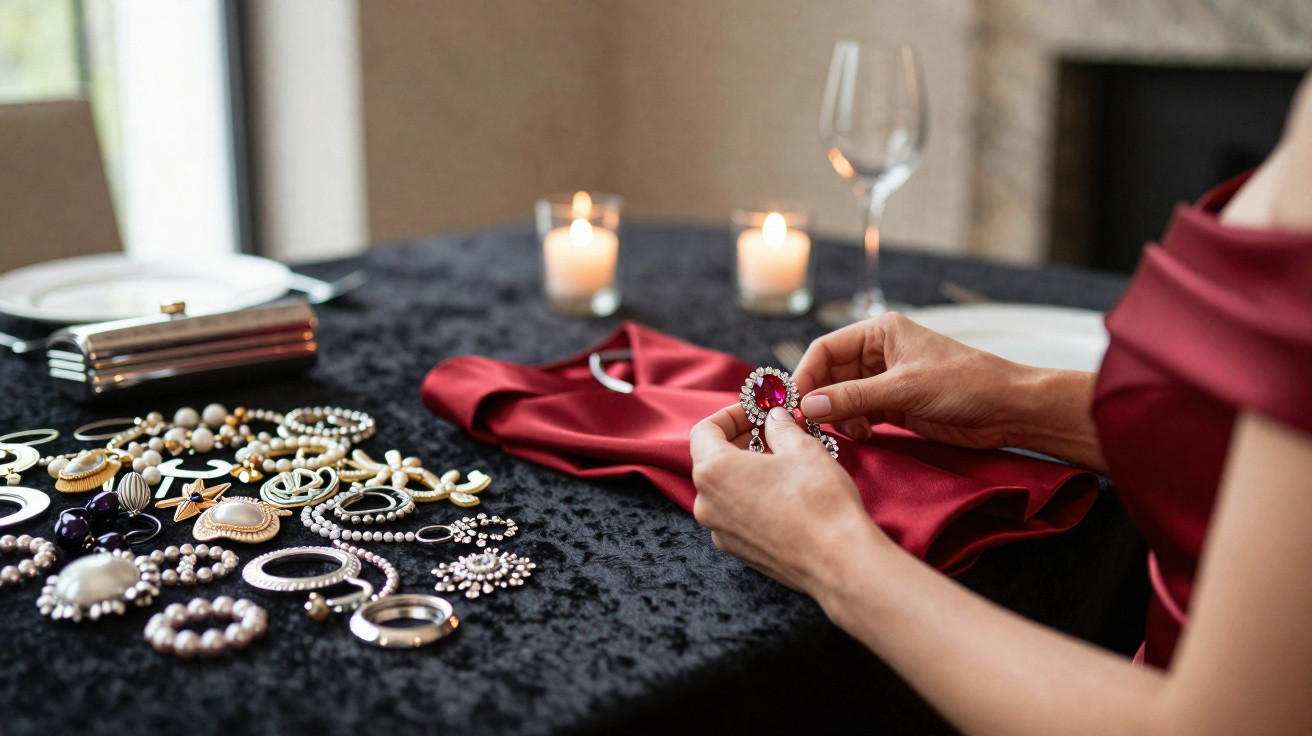
- Overloading the outfit with accessories. If the jacket has gold braid or bold buttons, keep jewellery and bags understated.
- Buying vintage without checking its condition. Inspect the lining, underarms, button attachments, odour and signs of moth damage.
- Assuming every vintage piece is washable. Older trims, dyes and metal fastenings may need careful or specialist cleaning.
Care, comfort and a thoughtful finishing touch
Check the care label before cleaning, particularly with vintage or embellished jackets. Spot-clean where appropriate, fasten buttons before storage and hang structured styles on a broad hanger to help them hold their shape. If a second-hand jacket smells musty, airing it outdoors in dry weather may help. Avoid soaking, bleaching or aggressive washing before you know what the fabric and trim can tolerate.
Take extra care with genuine service garments. Avoid wearing medals, name tapes or current insignia in a way that could imply service you have not undertaken or cause offence. If you are unsure, a fashion piece inspired by military tailoring is the simpler choice.
The best military-jacket outfit is usually the least overworked one. Start with the jacket, add an outfit you would happily wear without it, then use the layer to bring shape, colour and character. It becomes a useful answer to jeans-and-a-top days, smart-casual plans and unpredictable weather alike.





Comments
No comments yet. Be the first to comment!
Leave a Comment