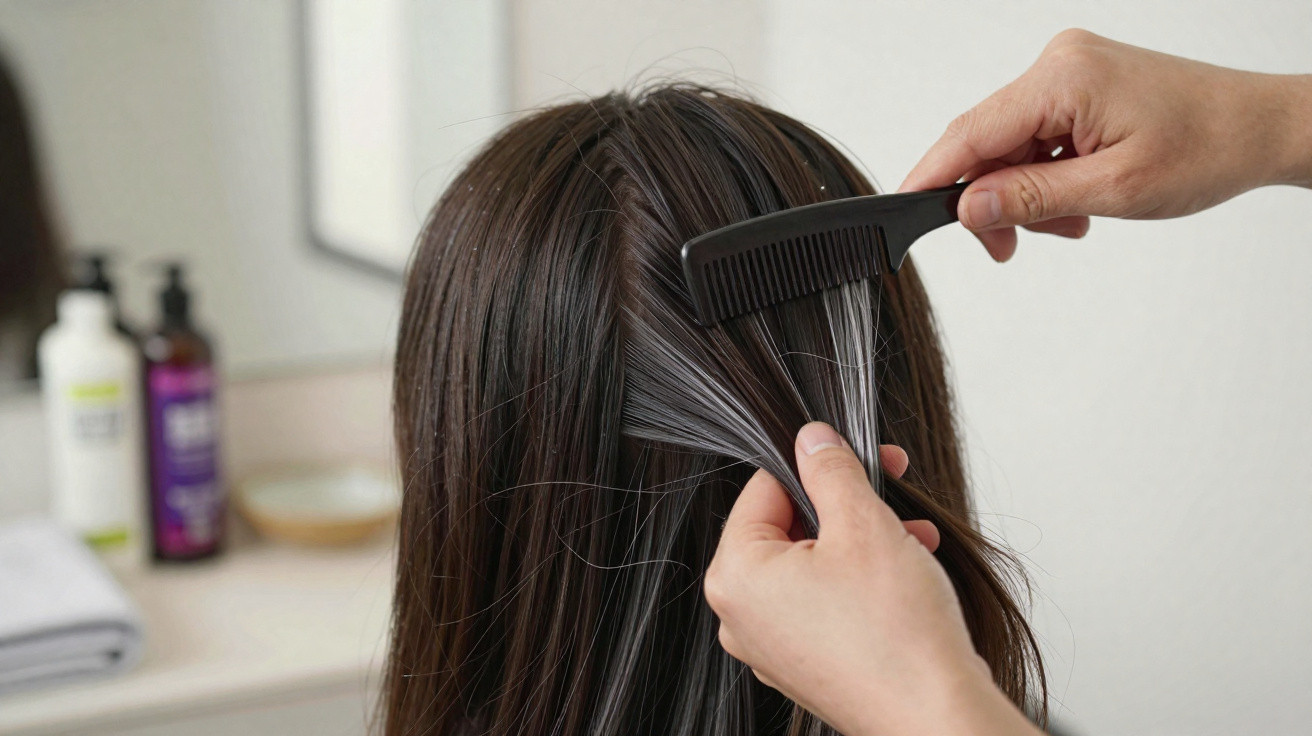
Finding silver strands in the mirror can make it seem as though your hair changed overnight. Colouring it is an option, but many people wonder whether grey hair can ever return to its previous shade without dye.
The careful answer is that it appears possible in a small number of individual hairs, but it is unusual and not something you can reliably make happen. Research has documented hairs that lost pigment and later produced colour again. That is intriguing, particularly in relation to stress, but it is not a proven method for reversing grey hair.
What makes hair go grey?
Hair colour comes from melanin, a pigment produced in the hair follicle. As a strand grows, the follicle adds pigment to the new hair. When it produces little or no pigment, the hair grows out grey, silver or white.
Genetics has the greatest influence on when this begins. Some people spot grey hairs in their twenties, while others retain most of their natural colour for much longer. Ageing, family history and differences between individual follicles all play a part.
Going grey is not usually a sign that you have damaged your hair or used the wrong shampoo. It cannot be scrubbed away, conditioned back to its former colour or permanently changed by a hair mask.
A strand that has already grown out grey does not usually recolour along its full length. If pigment production resumes, the change would appear in new growth from the follicle.
Why stress has attracted attention
Scientists have explored whether stress may influence greying in some circumstances. In a small study involving 14 people, researchers closely examined individual hairs and mapped pigment changes along their lengths.
They identified examples of hairs that appeared to lose colour and later regain it as they continued growing. When those changes were compared with participants’ recollections of stressful periods, some shifts appeared to coincide with higher stress and subsequent lower-stress periods.
That does not prove that stress causes grey hair, nor that a relaxing holiday or a calmer month will restore your natural colour. The study was small, and a timing link cannot establish cause and effect. It does, however, suggest that greying may not be completely fixed in every follicle at every point in life.
What this finding does - and does not - mean
The most sensible way to view this research is as a clue about how some follicles may behave, especially where greying is recent or variable.
It may mean that:
- some follicles can, in particular circumstances, resume pigment production;
- stress is one possible factor for researchers to investigate alongside other influences on hair biology;
- not every follicle ages in exactly the same way or at the same rate.
It does not mean that:
- stress reduction is a treatment for grey hair;
- established white or grey hair will reliably turn dark again;
- oils, supplements or so-called colour-restoring shampoos can restart pigment production;
- anyone should blame themselves for going grey during a difficult period.
For someone who has been grey for years, especially later in life, there is no good reason to expect stress management alone to bring back their earlier shade. It is a normal change, not a personal failure or a problem that needs fixing.
Reduce stress for your wellbeing, not for your hair colour
Managing stress can be worthwhile whether or not it affects a single strand. Rather than pursuing a cosmetic result, focus on habits that make daily life feel more manageable.
1. Pick one small routine you can repeat
A dramatic lifestyle overhaul can become another source of pressure. Choose something realistic, such as:
- taking a ten-minute walk at lunchtime;
- putting your phone aside for the last half-hour before bed;
- drinking a cup of tea away from your desk;
- trying a brief breathing exercise after your commute;
- writing down tomorrow’s tasks before you settle for the evening.
A manageable routine done regularly is usually more helpful than an attempt to create a perfect, stress-free life.
2. Look after the basics where you can
Sleep, regular meals, gentle movement and time with supportive people will not reverse ageing. They can, however, make a difficult period easier to cope with. During the UK’s darker autumn and winter months, going outside in daylight can also help give the day some structure.
3. Get support if it feels too much
If stress, anxiety, low mood or poor sleep is affecting everyday life, speak to your GP or seek appropriate local support. Hair changes may be what first catches your attention, but your wellbeing matters in its own right.
Could nutrition or another health issue be involved?
Most grey hair is genetic and age-related. There is no reliable home test that can tell you why a particular strand changed colour.
However, it is worth speaking to a GP if you have concerns about unusually early or rapid changes alongside other symptoms, such as persistent tiredness, unexplained weight changes, noticeable hair shedding, or changes to your skin or nails. A clinician can decide whether any assessment is appropriate.
Avoid taking high-dose vitamins or minerals in the hope of restoring pigment. Supplements can interact with medicines and taking more than you need may cause harm. A varied diet is a better foundation for general health and normal hair growth:
- protein foods, such as eggs, fish, meat, tofu, beans or lentils;
- wholegrains, fruit and vegetables;
- dairy foods or fortified alternatives;
- nuts, seeds and other sources of unsaturated fats.
Think of this as supporting overall health, not as a colour-reversal plan.
Looking after grey hair you already have
Grey hair can sometimes feel coarser, drier or more wiry than the hair around it. White and silver strands may also develop a yellowish cast from heat styling, pollution, smoke, mineral deposits in water or product build-up.
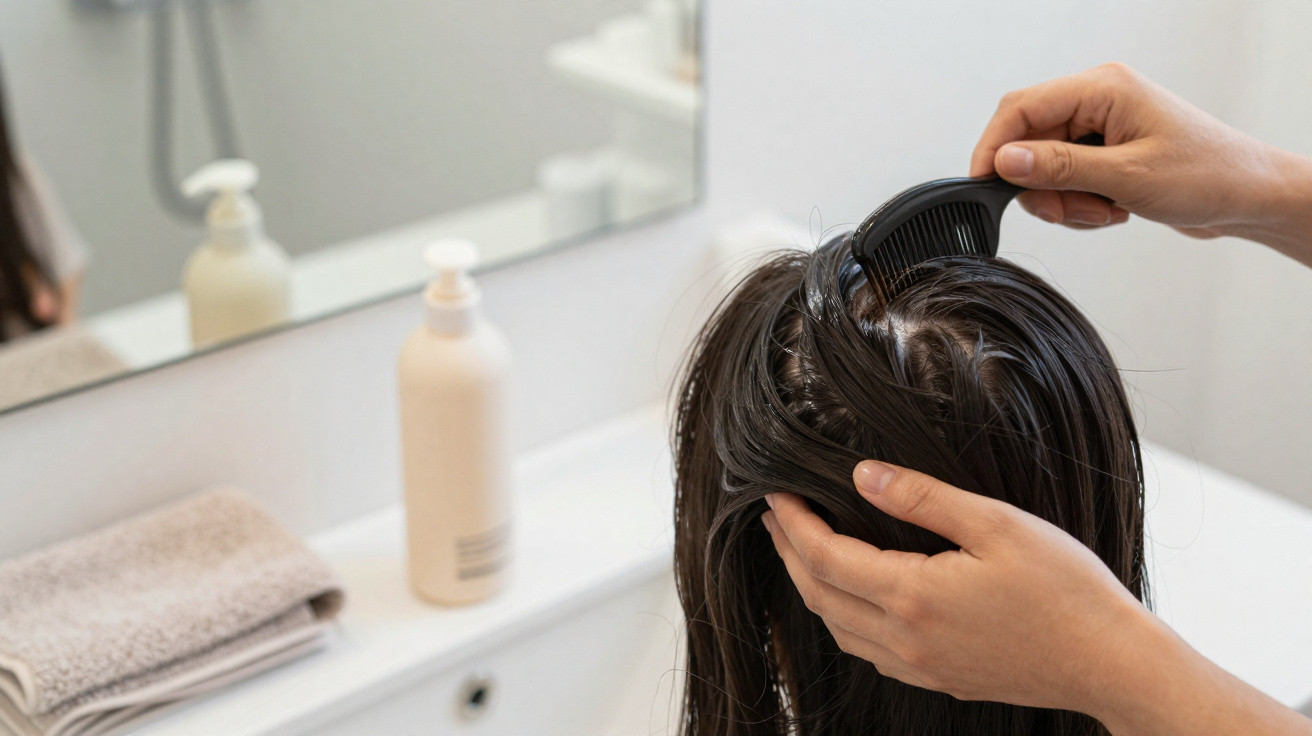
A simple routine can help it look brighter and feel softer:
- use a gentle shampoo that suits your scalp and wash frequency;
- apply conditioner through the lengths after washing;
- use a richer conditioning treatment occasionally if your hair feels dry;
- use heat protection before blow-drying, straightening or curling;
- try a violet-toning shampoo occasionally if silver hair looks yellow or brassy.
Violet shampoo can leave hair feeling dry if used too often. Alternate it with your usual shampoo, follow the timing on the label and condition afterwards. If your hair is very porous, test it on a small hidden section first, as strongly pigmented products can leave a temporary lilac tint.
Common mistakes to avoid
The wish to reverse grey hair can make bold marketing claims especially tempting. Avoid these common pitfalls.
- Buying products that promise to stop or reverse greying. Cosmetic products cannot be relied upon to restart pigment production in grey follicles.
- Using permanent colour too frequently. Repeated colouring, bleaching and high-heat styling can leave the lengths dry and fragile.
- Assuming every grey hair is caused by stress. Genetics remains the main driver for most people.
- Taking large doses of supplements without advice. More is not automatically better, even with nutrients.
- Ignoring wider changes in your health. Seek professional advice if you are worried by sudden changes or accompanying symptoms.
If you colour your hair at home, follow the instructions exactly and carry out the allergy alert test specified by the product. Do not use hair dye on eyelashes or eyebrows. If you develop swelling, breathing difficulties or feel unwell after using a dye, seek urgent medical help.
The realistic aim is healthy, well-kept hair and less pressure around a normal change - not a promise that every silver strand can be reversed.
Your practical next step
If you have noticed a few recently grey hairs, it is fine to be curious, but keep expectations kind and realistic. Prioritise rest, recovery and support with stress because they are valuable in themselves, not because they guarantee a change in hair colour.
Then choose the look that feels right for you. You might embrace the silver, blend it with highlights, try a semi-permanent gloss or colour it fully. There is no deadline to cover grey hair, and no requirement to celebrate it either. The best routine is one that keeps your scalp comfortable, your lengths in good condition and the decision firmly yours.










Comments
No comments yet. Be the first to comment!
Leave a Comment