
The woman in the mirror gives a quiet laugh as her curling iron beeps. Her hair does not fall into dramatic spirals or poker-straight lengths, but somewhere in between: soft waves that look as though they arranged themselves. Beside her, she scrolls through her phone: hairstyle tutorials, before-and-after photos and comments from women with entirely different hair textures, all chasing the same thing - “that effortless look”. We all know that moment of wondering: why does it look so relaxed on everyone else, while mine just says, “I ran out of time”?
Then, somehow, it works. One wave sits perfectly above the eyebrow, and a strand lands exactly where you have always wanted it to. For a few minutes, an ordinary day feels a little like an editorial shoot. No stylist, no filter - only you, your mirror and a loose waves hairstyle that quietly works with almost every hair texture. That is where things get interesting.
Why loose waves work for so many hair types
Look more closely on the train or in a café in the morning and it soon becomes clear: loose waves have moved far beyond the red-carpet trend and into everyday life. Thick or fine, wavy or straight, even slightly coily hair - this blend of softness and movement is everywhere. It looks polished without appearing overly “styled”, as if the hair simply falls that way naturally.
Their appeal lies in the fact that they are not showy. Loose waves soften the face, disguise sharp edges in a haircut and add texture at the same time. They are the white T-shirt of hairstyles: understated, yet incredibly versatile. That is exactly why they appeal to people with neither the time nor the desire for complicated blow-drying routines.
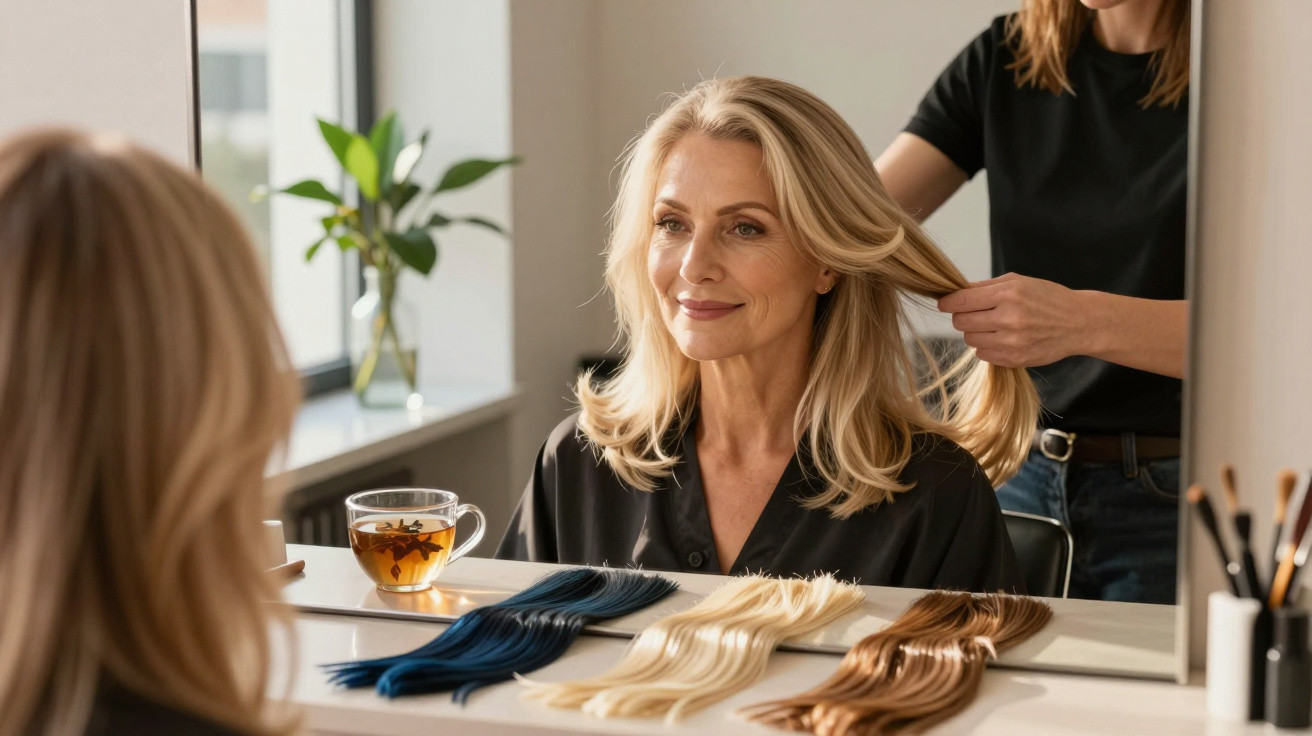
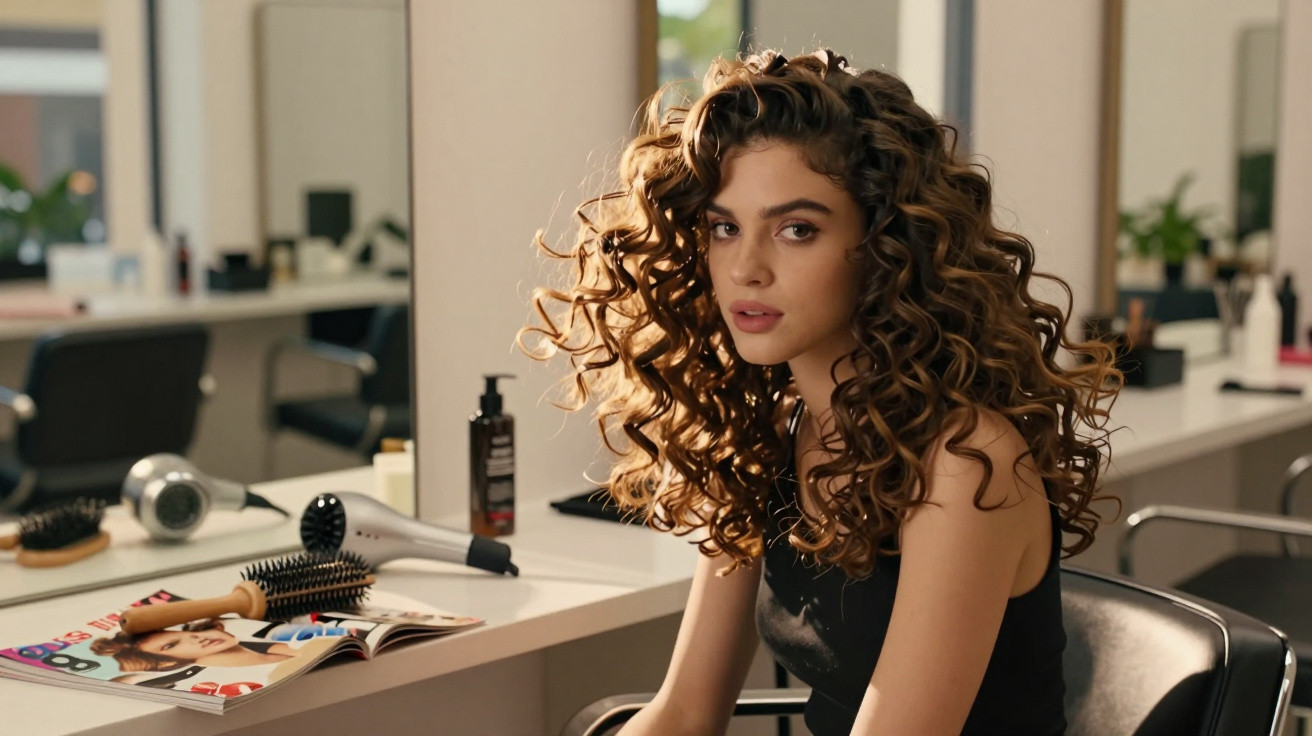
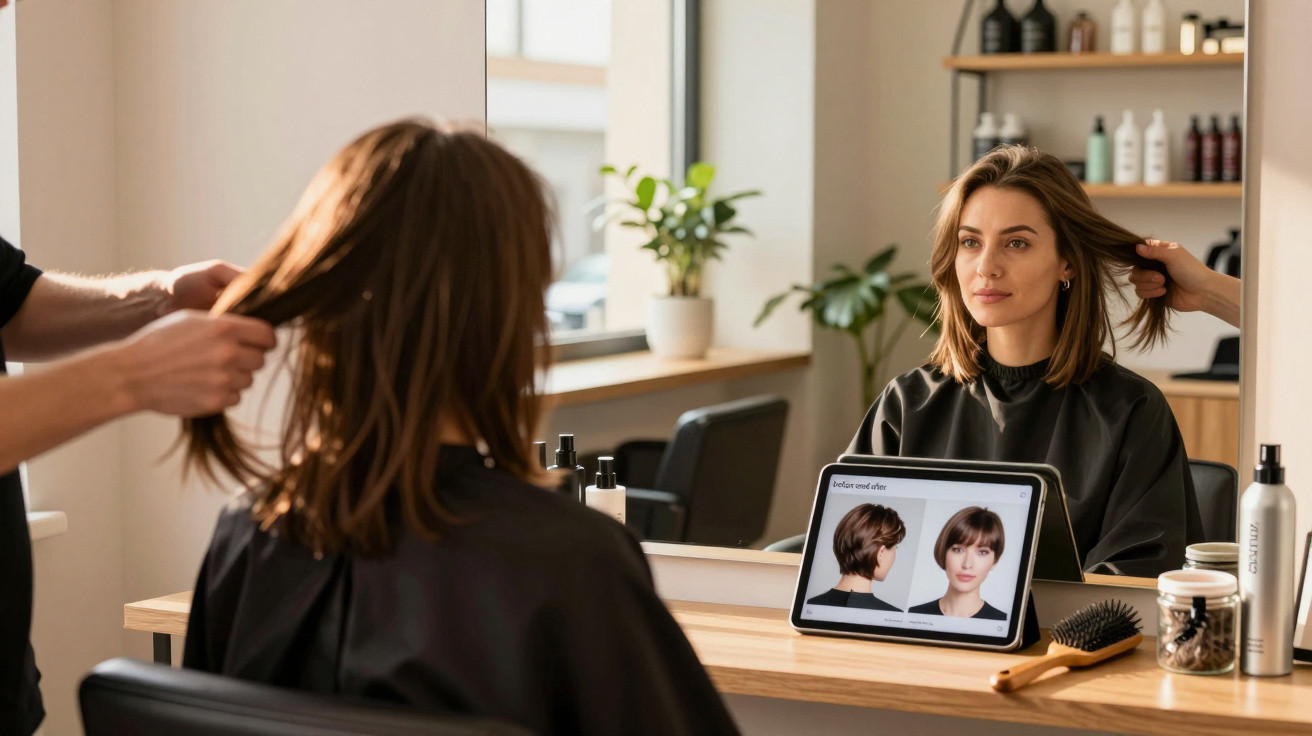
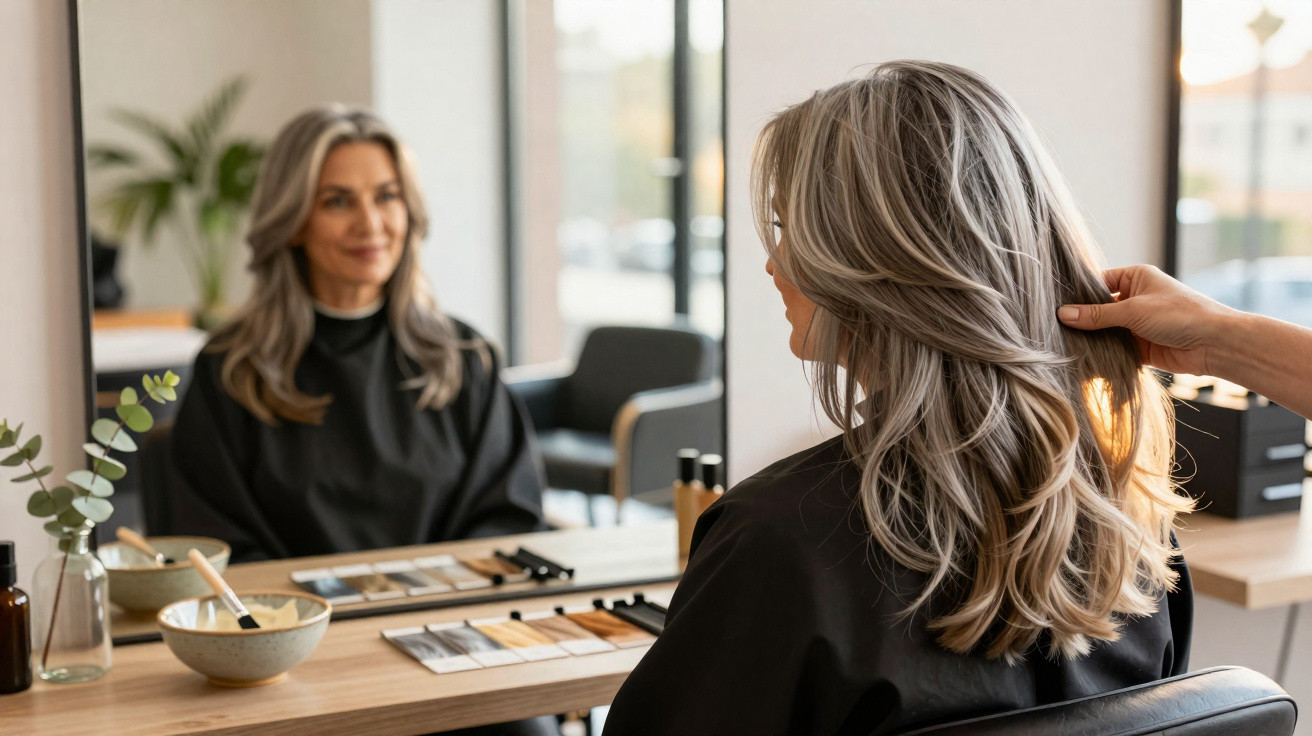
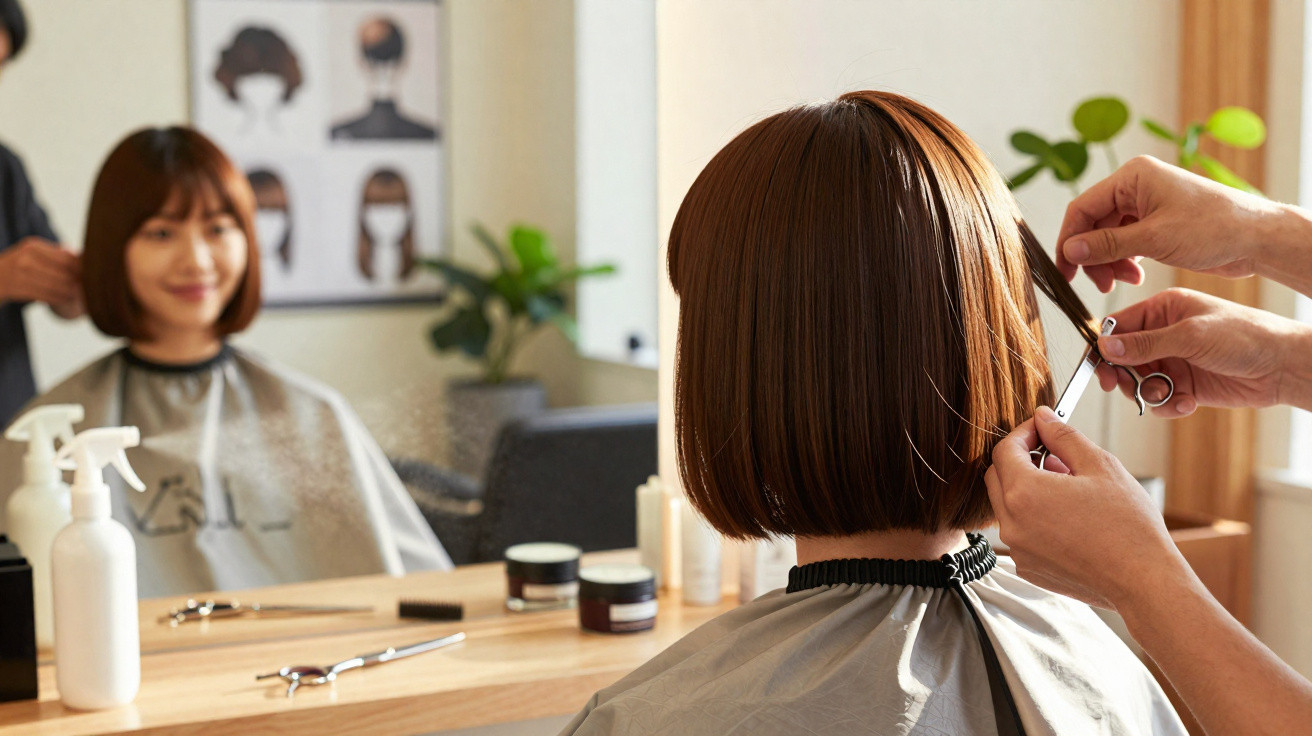
I remember one afternoon in the Berlin salon of a hairstylist friend. There were three clients, all with completely different hair types. The first had exceptionally fine, straight hair that would normally lose its shape after no more than two hours. The second had a dense, heavy mass of dark hair that resisted every brush. The third had naturally curly, slightly frizzy hair that, as she put it, had “either too much or too little”.
Each woman received the same basic technique: larger sections, brief contact with heat, waves through the lengths and ends left relatively straight. There were no tight curls or vintage rolls. When they looked in the mirror one after another, their response was nearly identical. A brief pause, then an “Oh”. Nothing theatrical or forced - more a quiet realisation: “This is how I could look without dressing up as someone else.” The finished result looked entirely different on each of them, yet suited every one.
From a technical perspective, loose waves strike a balance between volume and control. Straight hair gains body without seeming twice as big. Naturally wavy or lightly curly hair looks more “tamed” without losing its character. Coily hair, which is often too quickly labelled “unruly”, takes on a clearer shape without being pressed into rigid sections.
Waves are also forgiving of minor mistakes. One area slightly more curled? One section that did not catch the heat properly? This style allows for that. That slight imperfection is exactly what makes the hairstyle feel so modern. Let us be honest: nobody meticulously winds every strand around a 185°C barrel each morning, measures the angle and then combs it all in precisely the same direction.
How to style loose waves for almost every hair texture
The principle behind this hairstyle is straightforward: broad movement and very little perfection. For straight or lightly wavy hair, a curling iron with a medium or large barrel works particularly well. The larger the barrel, the softer the wave. Take sections around two fingers wide, wrap them loosely around the barrel and deliberately leave a small portion of the ends out. This creates the “cool girl” effect and avoids a corkscrew finish.
Once the waves have cooled, gently shake them out rather than brushing them immediately. A light texturising spray or sea salt spray through the lengths adds grip, especially to fine hair. For thicker hair, a drop of oil on the ends can help everything look glossy and cared for. And yes, you can simply run your fingers through the sections instead of trying to perfect every detail with a round brush.
If your hair has a natural wave or curl, shaping it in sections rather than straightening it is often the better route. Let the hair dry partway, apply a light curl cream or gel, then gently twist individual strands. Allow it to air-dry or use a diffuser on a low heat setting. Afterwards, carefully loosen the twisted sections to create bigger, softer waves rather than lots of small curls.
One mistake many people make is using too much product, too much heat and allowing too little time between steps. Hair becomes sticky, drops more quickly and looks tired on the second day. We know the feeling: the desire to make sure “it actually lasts” often leads to overdoing the styling. Yet this look depends on lightness. A mist of hairspray is genuinely enough, especially if you have already used a texturising spray.
Those with very fine hair often start their waves far too close to the roots. That can quickly resemble a retro blow-dried style. It is better to keep the roots smoother and begin waving around cheekbone level. This creates volume without making the head appear larger. With very thick or coily hair, it is often worthwhile to lightly pre-shape the lower third - using a rough blow-dry or a wide brush, for example - so the waves do not lose their form straight away.
A stylist friend once put it this way:
“You know you have perfect loose waves when nobody asks how long you spent in the bathroom - they only ask whether your hair always looks like that.”
It is a line that stays with you because it comes so close to what we all want.
To keep the look suitable for everyday life, it helps to run through a short mental checklist before leaving the house:
- Do the waves look more like movement than an “occasion hairstyle”?
- Is enough of the hair’s natural texture still visible, or does it all look too pressed into place?
- Does the hair feel light and touchable rather than stiff and sticky?
- Is there one strand deliberately “out of line” that brings the whole style to life?
- Have you used a product you would also use on an ordinary Tuesday?
Why loose waves are more than a passing trend
Loose waves are so widespread because they fit around most people’s lives. They work in the office, on a first date, at a friend’s wedding and on a Sunday morning in a hoodie. The outfit determines the direction of the look: sometimes romantic, sometimes casual, sometimes almost businesslike. That in-between quality removes the pressure to create an entirely new hairstyle every day.
There is also a quiet message in this hairstyle. It says: “I’m here, I’ve made an effort - but I haven’t overdone it.” For many people navigating the space between wanting a natural appearance and wanting to look “well groomed”, it becomes a compromise that does not feel like one. You look styled without the styling becoming louder than the person behind it.
It is also striking how much loose waves can influence self-image. Someone with very straight, fine hair who has always felt “unremarkable” may suddenly discover volume and a new silhouette. Someone with strong curls who has spent years fighting them can see how their natural texture works in a softer version, without needing to straighten it completely. This hairstyle is not a costume; it is a translation of your real hair into a slightly more cinematic version.
Perhaps that is the real reason we see it in so many profile pictures, social feeds and streets. It is not spectacular, but it is accessible. It does not require a flawless straightener, a high-end salon or two hours beneath the bathroom light. Just a little technique, a little instinct and the willingness to let one strand fall “wrong”. The result is a look you create with your hair texture, not against it.
| Key point | Detail | Benefit for the reader |
|---|---|---|
| Loose waves suit many hair textures | Whether hair is fine, thick, straight, wavy or slightly coily, the right technique allows the look to be tailored individually | Readers can recognise themselves in the examples and adapt the hairstyle to their own hair reality |
| A simple core technique rather than complicated rituals | Larger sections, brief heat contact, waves through the lengths, ends often left straight, and fingers instead of a brush | Practical everyday styling that is realistic with limited time and a basic set of tools |
| A natural-looking, emotional effect | The look resembles a “better version of yourself”, not a costume; mistakes and imperfections are part of its charm | Builds confidence and takes the pressure for perfection out of a daily styling routine |





Comments
No comments yet. Be the first to comment!
Leave a Comment