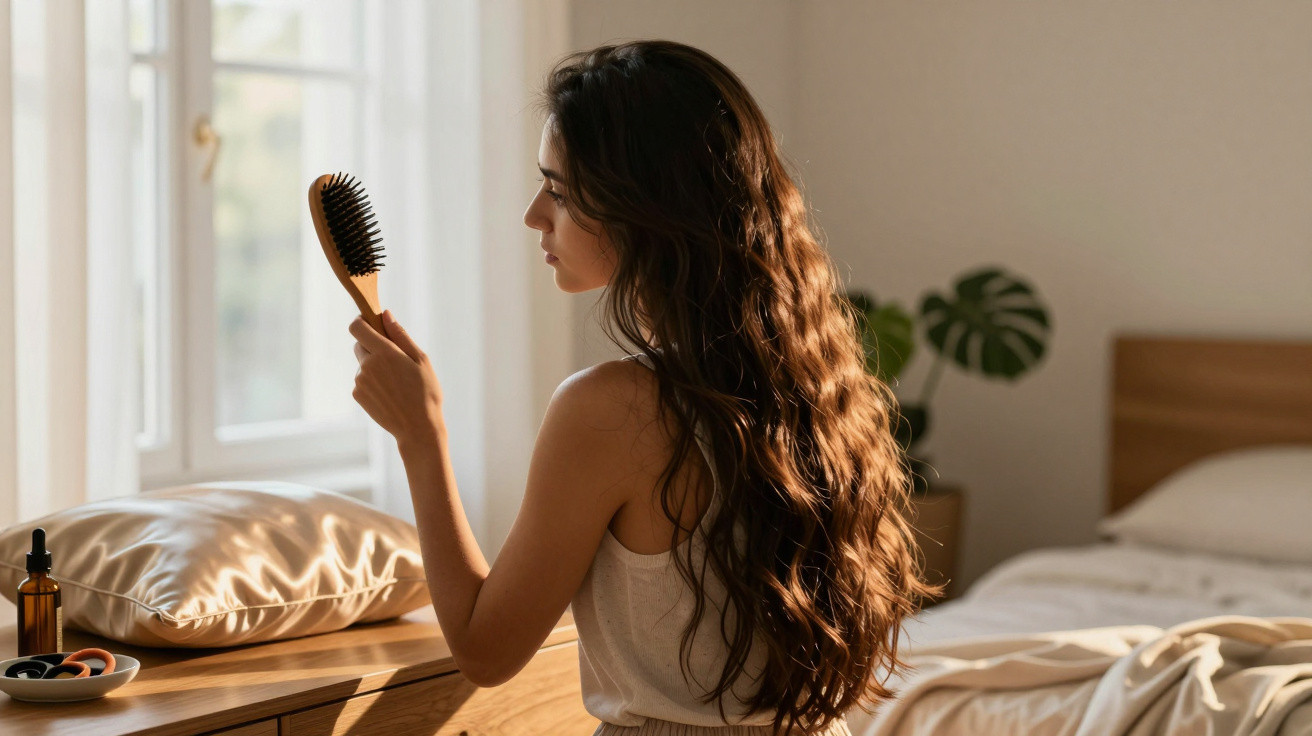
The young woman in the mirror muttered under her breath, brandishing a hairbrush as though it were a weapon.
Ten frantic strokes, then twenty, then fifty. The more she brushed, the flatter and more lifeless her hair became, as though somebody had dimmed its brightness without telling her. Her ponytail looked exhausted: the sort of hair that announces “I’ve been through some things” before 9 a.m. She tried oil, followed by dry shampoo, then a shine spray smelling like fruit salad forgotten in the sun. Still, nothing changed.
Later that week, she arrived at work with her hair down, softly wavy and nearly untouched. She had used the same shampoo and followed the same routine. There was only one difference: instead of her usual forceful morning brushing, she had merely detangled it gently in the shower. Beneath the office lighting, her hair caught the light as though someone had wiped a screen clean. People looked round. One colleague even asked whether she had switched colourists.
The only adjustment she had made was knowing when to stop brushing.
Why less brushing can mean more shine
A subtle rebellion is taking place in bathrooms at the moment. More people are setting their brushes aside, and their hair is responding with a little extra shine. For years, we were given the same advice: “100 strokes a night for glossy hair.” In practice, that ritual can disturb the cuticle, distribute oil unevenly and make hair appear weary rather than glossy.
Hair shine does not depend on products alone. It comes down to how smooth each strand is and the way light reflects from its surface. Brushing too frequently, or at unsuitable times, creates minute scratches. You cannot see them, yet they disperse light and take away that mirror-like finish. The shine has not vanished; it has simply become fragmented.
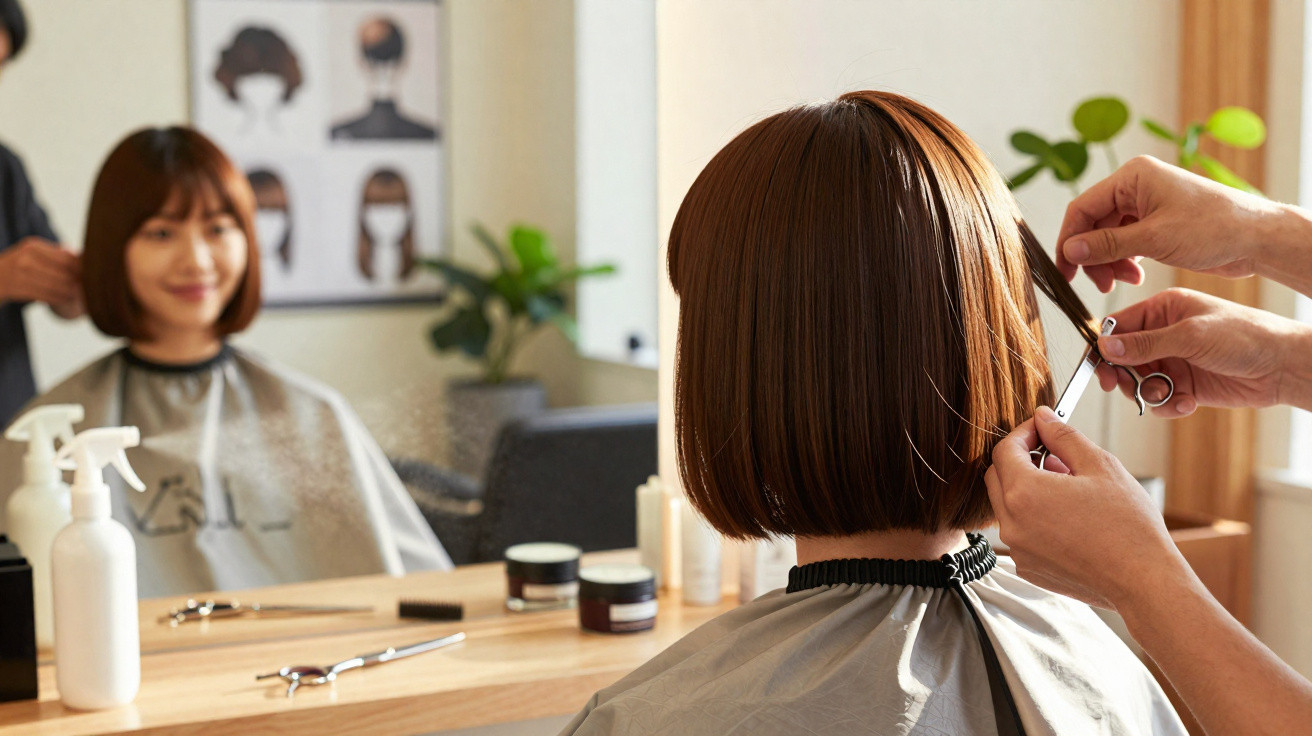
A London stylist told me she can identify an over-brusher simply by observing how light hits the mid-lengths. Rather than a clear reflection, there is a soft, fuzzy halo. Her conclusion? “They’re fighting their hair instead of working with it.” That battle often starts early in the morning and resumes late at night - precisely when many of us pick up a brush through habit rather than necessity.
A small 2022 survey by a Scandinavian hair clinic followed 300 women over three months. Participants asked to restrict brushing to detangling only, mainly after washing while conditioner was applied, reported visibly shinier hair and reduced breakage. They did not swap shampoos or purchase a miracle serum. They simply stopped pulling bristles through dry, tired hair several times each day.
One participant described her previous pattern this way: she would wake up and brush her hair smooth. Before heading out, she would brush it again “just in case.” After lunch came another quick brush in the office bathroom, followed by another session at night “to keep it healthy.” At first glance, her hair looked tidy, but in photographs it always seemed slightly matte, as though a filter had been placed over it.
Following the experiment, she detangled only in the shower with a wide-tooth comb, then made one gentle pass through dry hair immediately before styling - and no more. By the third week, friends were asking which “gloss treatment” she had booked. The answer was unexpectedly unexciting: she had simply stopped overdoing everything.
The science is far from glamorous. Hair cuticles consist of tiny overlapping scales. When they sit flat, light reflects in a single clean line and the hair appears shiny. When the scales are raised or damaged, light scatters in every direction and hair looks dull. Brushing when hair is most vulnerable - when it is soaking wet, or extremely dry and frizzy at night - disrupts that protective outer layer. You are doing more than detangling; little by little, you are sanding the surface.
Sebum, the scalp’s natural oil, is another consideration. In modest, evenly spread quantities, it works like nature’s own gloss serum. However, over-brushing an already oily scalp can pull that oil unevenly through the lengths, leaving greasy roots and heavy ends. In photographs, this looks “stringy” rather than shiny. It is the difference between glass and grease.
The best (and worst) moments to brush for real shine
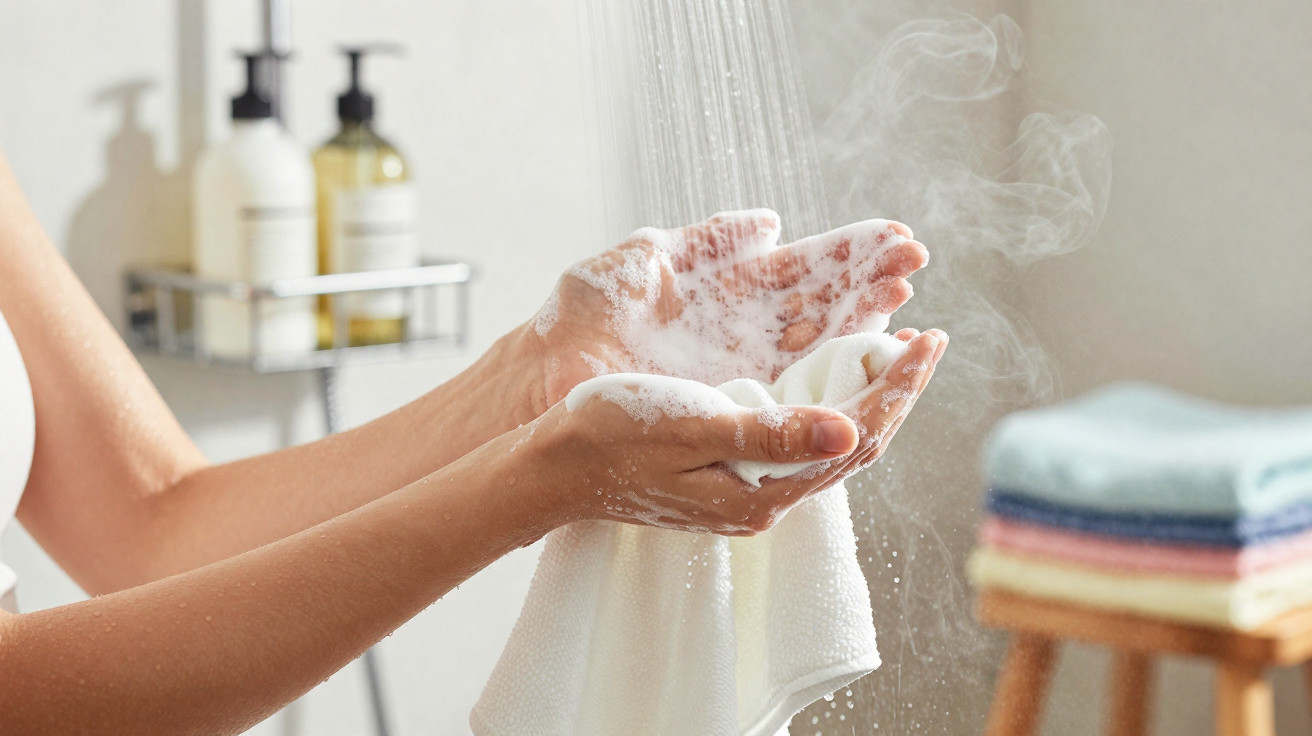
The central change is straightforward: brush with purpose rather than anxiety. For shine, the best time to detangle is when hair has plenty of slip, usually in the shower with conditioner or a mask applied. Use a wide-tooth comb or flexible detangling brush, beginning at the ends and gradually working upwards. Water and product support the hair, allowing the tool to glide instead of scrape.
Once hair has been rinsed and lightly squeezed with a towel - ideally microfibre or a soft cotton T-shirt - most tangles will already have disappeared. You can then let it air-dry untouched, or make a minimal pass with a detangling tool if your texture requires it. It is tempting to “perfect” every strand as it dries. That is generally when shine disappears, beneath repeated, nervous brushing.
Many colourists swear by two important “no-brush” periods. The first is immediately after washing, when hair is saturated and stretchy like overcooked spaghetti. Dragging a brush through it at that point can break strands and disturb the cuticles. The second is late at night, just before bed, when hair is completely dry - particularly if you sleep on cotton pillowcases. The combination of friction and pre-bed brushing leaves hair more frayed by morning, not smoother.
So, when should you use a brush on dry hair? Treat it as a finishing step, rather than maintenance. A brief, purposeful brush immediately before styling or leaving the house can distribute a little scalp oil and align the cuticles for a final polish. Two or three slow, gentle passes will often be sufficient.
Morning “stress brushing” - attacking your hair because the rest of the day feels chaotic - usually causes more damage than benefit. The brush becomes an outlet for frustration, while your hair takes the impact. The same applies to bored mid-afternoon brushing at your desk. Shine responds to calm, not continual interference.
In practical terms, create small rules for yourself. For instance: do not brush in bed. Do not brush while scrolling. Do not brush your hair more than twice on non-wash days. Once brushing becomes a conscious part of your routine rather than an absent-minded fidget, your cuticles finally get the peace they need to remain flat.
“The shiniest hair I see in my chair isn’t always the most expensive,” says Paris-based hairdresser Élodie M. “It usually belongs to people who leave their hair alone between washes. They brush with intention, not obsession.”
- Avoid brushing soaking wet hair – detangle under running water with conditioner rather than afterwards.
- Keep dry brushing for styling moments – before leaving in the morning or ahead of a night out, rather than ten times daily.
- Choose a brush with flexible bristles or a cushioned base to hug the hair instead of scratching it.
- Think “polish, not punishment” – if your arm starts to ache, you are probably doing too much.
Rethinking the ritual of hair and shine
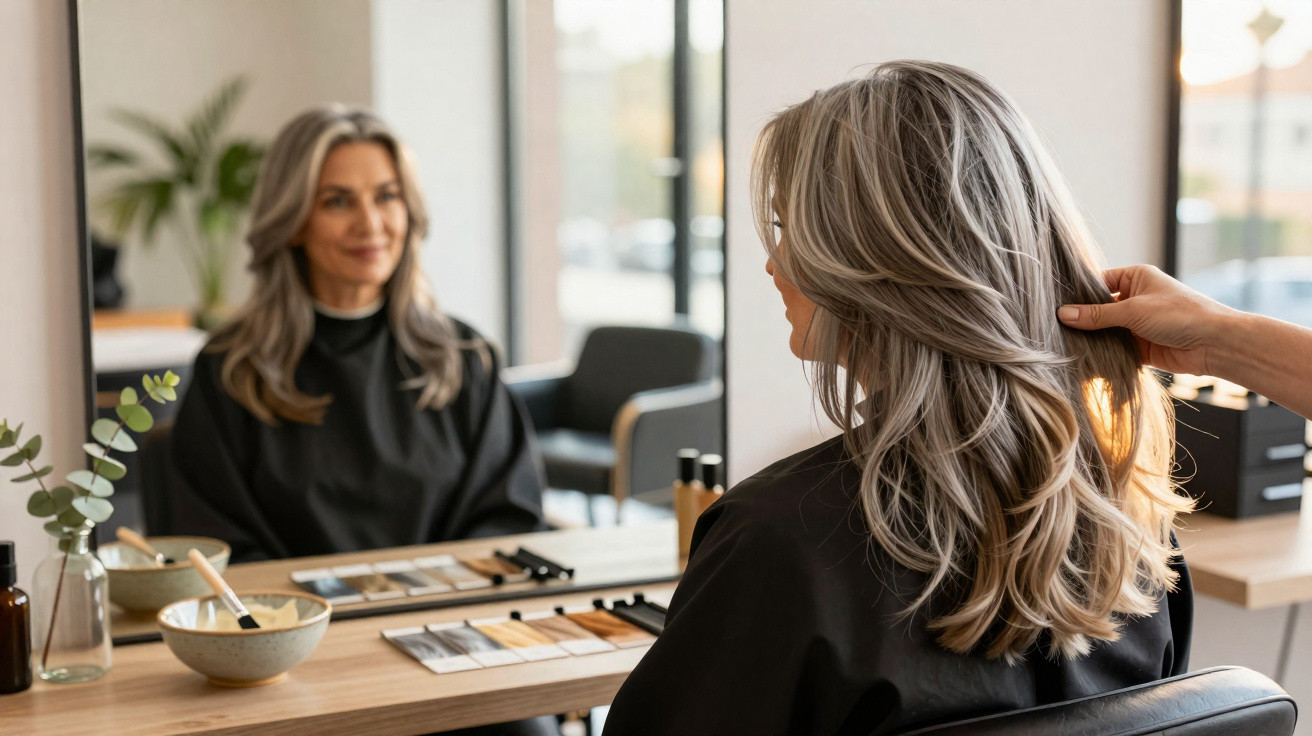
Shiny hair has become a form of modern armour. Across social feeds, it appears as liquid glass: mirror-like, almost inhuman. For many people, this sets such a high standard that anything short of extreme gloss can feel like failure. Yet stylists working on real heads of hair tell a different story. The most reflective hair is rarely the hair receiving the most attention. It is hair handled gently, brushed at the appropriate moments and left alone for the rest of the time.
We often channel stress into our beauty routines: scrubbing the scalp too vigorously, brushing until the bristles squeak, or pulling ponytails tight enough to feel all day. There is a quiet strength in deciding that shine need not come from doing more, but from doing less more thoughtfully. It can begin with one minor habit, whether changing your tool or deciding not to brush before bed and allowing tomorrow’s hair to remain a mystery.
On the bus, in a café or in office bathrooms, the difference is easy to spot. You see hair that moves in one smooth sheet and catches light in long, clean lines. Hair that looks like itself rather than an advert. It does not ask for attention, yet receives it anyway. People often assume such hair belongs to “lucky” people with favourable genetics. Sometimes that is true. More often, it belongs to somebody who stopped brushing at the wrong times and quietly allowed their hair to recover.
| Key point | Detail | Benefit for the reader |
|---|---|---|
| Limit brushing | Save the brush for a few specific occasions, rather than every impulse | Reduces breakage and preserves a stronger natural reflection |
| Choose the right moments | Avoid brushing drenched hair or brushing immediately before bed | Protects the cuticles and keeps the hair surface smooth |
| Brush with intention | Use brushing as a finishing gesture, not a nervous reflex | Helps achieve “salon” shine without changing the entire routine |





Comments
No comments yet. Be the first to comment!
Leave a Comment