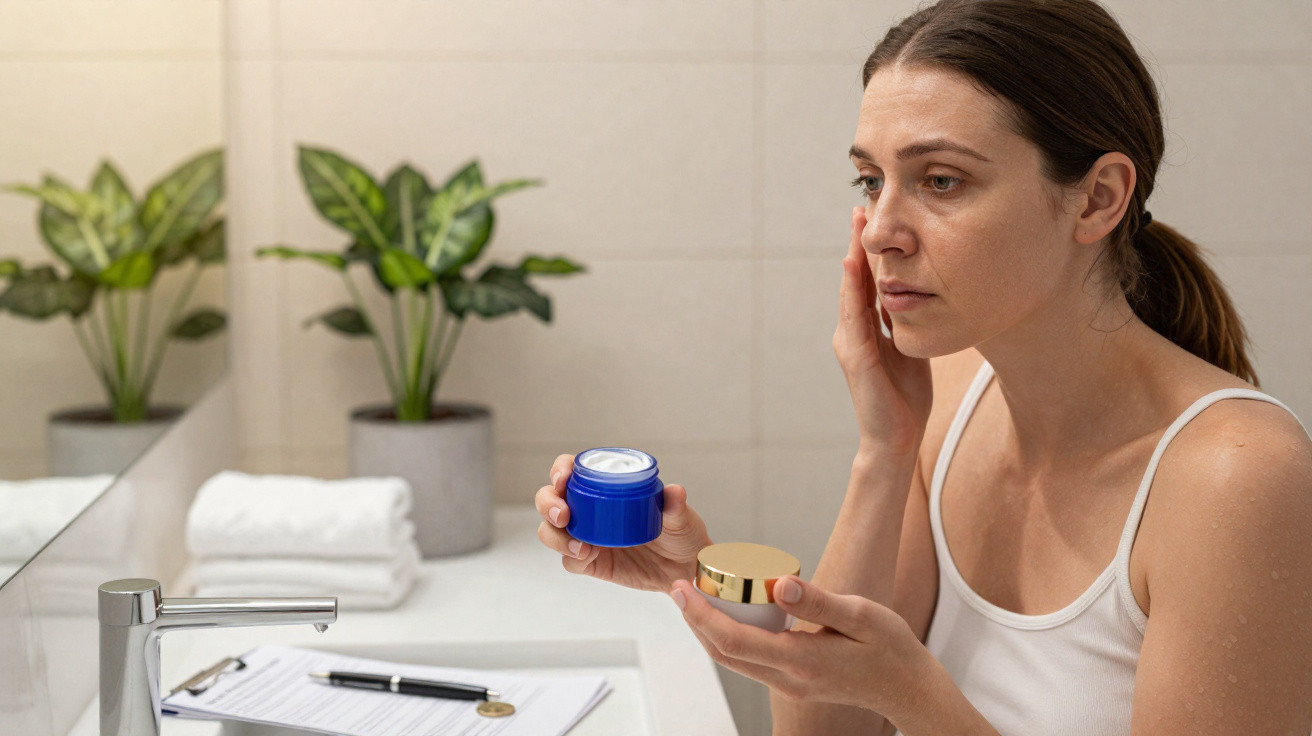
The woman at the pharmacy counter is no longer asking for “anti-wrinkle” cream. She is flicking through her phone, enlarging TikTok screenshots, and quietly asking: “Do you have one of those longevity serums? I don’t want to look younger, I just want my skin to feel… alive.”
The pharmacist nods, as though this is the fiftieth time she has heard the question that week. Small glass bottles fill the shelves, promising bounce, resilience and radiance. The wording on their labels has evolved: skin barrier, cellular health, repair. All of a sudden, “anti-aging” sounds dated.
Without much notice, the entire language around growing older has subtly changed.
Something significant is taking place beneath the surface of our skin.
The quiet death of “anti-aging” and the rise of longevity serums
Walk through any beauty aisle now and the rebrand is unmistakable. Dusty jars labelled “anti-wrinkle” have been moved aside for streamlined droppers that speak of longevity, barrier strength and fuller-looking skin health.
The message is no longer “erase every line”. Instead, it is “help your skin perform at its best for longer.” It may seem like a slight distinction on paper, but it feels enormous when you are standing under harsh shop lighting with a tired face, wondering where your glow has gone.
Brands have understood the mood. We are ageing in high definition through front-facing cameras, and the old narrative of waging war on wrinkles no longer resonates. Figures from market agencies indicate a rise in searches for “skin health” and “longevity skincare”, particularly among people in their 30s and 40s.
Across social media, creators in their 50s and 60s speak less about “turning back the clock” and more about remaining radiant, feeling at ease in their skin and looking confident under unforgiving Zoom lighting. The question is no longer so much “How do I look 25 again?” but “How can my 45-year-old skin work at 100%?”
This change creates room for a new relationship with serums. Rather than being a panicked response to every emerging line, longevity formulas are presented as daily supplements for the face. You are not battling age; you are supporting skin function through hydration, collagen preservation, smoother texture and calmer redness.
Behind the shimmer of the marketing, the reasoning is straightforward. When skin cells are hydrated, shielded from oxidative stress and encouraged to renew at a healthy pace, the complexion appears fresher and more plump. “Anti-aging” then begins to feel less like combat and more like long-term upkeep.
Inside a longevity serum: what actually plumps, protects, and lasts
Begin with the most unassuming star: water-binding molecules. Hyaluronic acid and related ingredients underpin many longevity serums because plumpness is fundamentally about well-managed moisture. They sit between skin cells like miniature sponges, pulling in water and gently expanding the surface to soften fine lines.
Applied in the right layers, an effective hydrating serum can make your face appear as though it has had eight hours of sleep, even when your night was closer to three hours and a doomscroll.
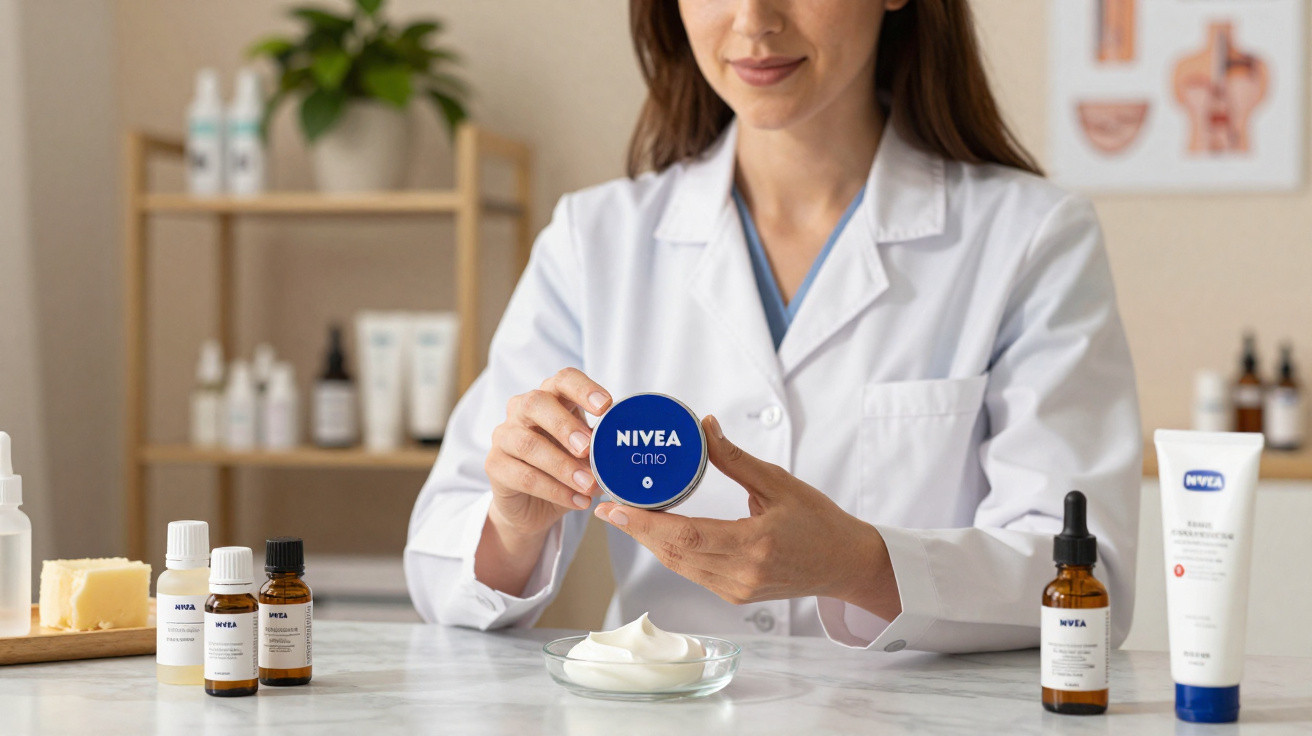
Next are the active “architects”: peptides, retinoids and niacinamide. Consider them less magical fixes and more like long-term urban planning for your skin. Peptides deliver small signals that may support collagen and elastin. Retinoids promote quicker cell turnover and a smoother texture. Niacinamide supports barrier strength and uneven tone.
One woman I interviewed compared her routine to a savings plan. “Hyaluronic is my daily spending. My peptide serum is my retirement account,” she laughed. She was not trying to remove her smile lines, only to keep them soft and supported rather than deepened and marked by fatigue.
The science is quietly practical. As we age, our natural hyaluronic acid declines, collagen fibres become less active and the skin barrier takes longer to recover. Longevity serums aim to help at each of these stages: retaining water, reducing daily oxidative stress with antioxidants such as vitamin C or resveratrol, and encouraging the skin to repair rather than merely cope.
Adding a light occlusive layer afterwards - a cream or oil that slows water loss - transforms that serum into a small moisture vault. With time, this reliable support may bring fewer bouts of irritation, reduced dullness and a face that looks less depleted at the end of a long day.
How to actually use longevity serums so your skin looks fuller, not overloaded
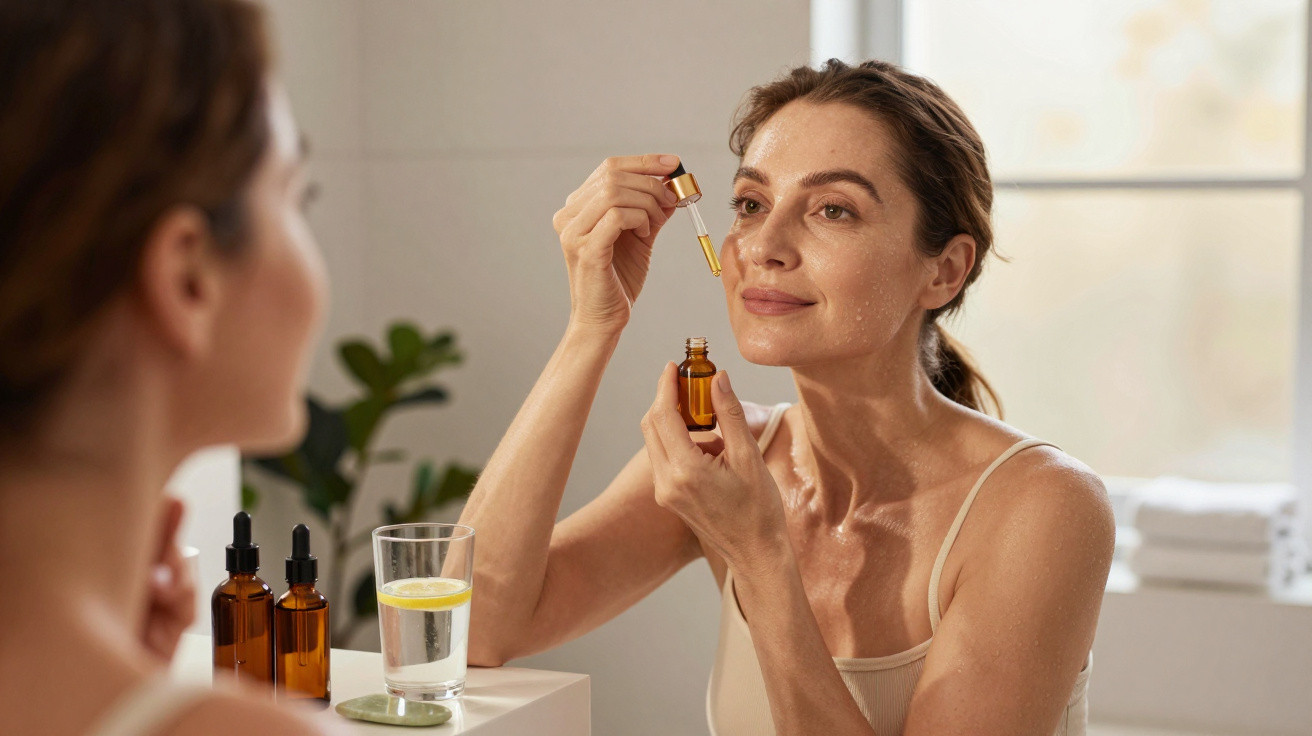
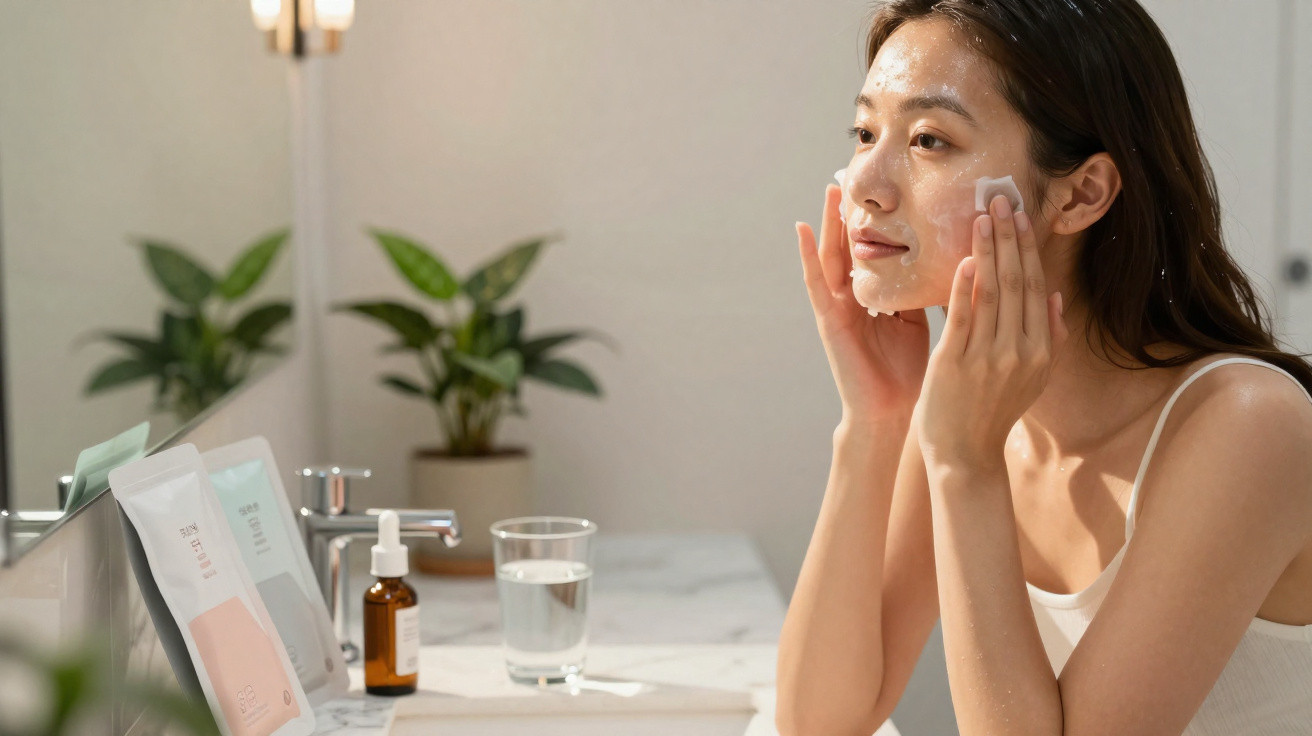
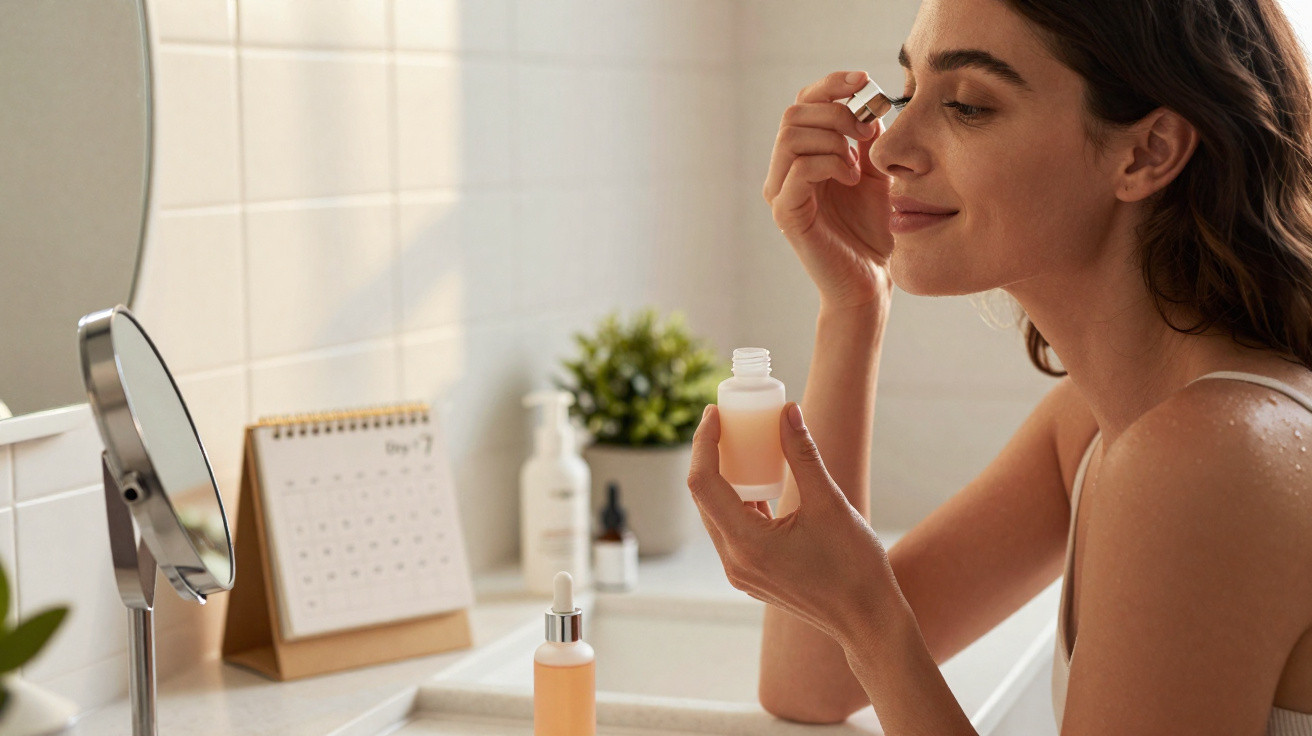
Treat the serum stage like making an excellent cup of tea: timing, sequence and patience matter more than owning the fanciest kettle. Apply a few drops of your hydrating or longevity serum to clean, slightly damp skin, then press it in using warm hands. Do not rub aggressively. Press gently, almost as if you are helping it settle between the cells.
Follow with a moisturiser suited to your skin type and, in the daytime, broad-spectrum sunscreen. This straightforward sandwich - serum, cream, SPF - provides the basic structure that allows any “longevity” promise to become visible in the mirror.
Where many people run into difficulty is enthusiasm. They layer three serums containing strong actives, then wonder why their face stings and flakes. Skin has its limits. Loading retinoids, acids and vitamin C together does not accelerate results; it simply puts pressure on the barrier you are trying to safeguard.
There is guilt involved, too. We have all had that moment of looking at an elaborate routine and thinking, “Who has the energy to do this every single night?” Honestly, nobody truly manages it every day. Consistency is more important than perfection. A simple, achievable ritual that you can repeat is better than a 10-step fantasy sitting unused in your bathroom drawer.
Dermatologist Dr. Amina R., who sees many cases of “serum fatigue”, shared something that stayed with me:
“Longevity isn’t a product, it’s a rhythm. Your skin wants a routine it can rely on, not a surprise performance once a week.”
To create that rhythm, concentrate on a small, dependable set of products. For many people, that means:
- One hydrating serum (hyaluronic acid, glycerin, panthenol)
- One active longevity serum (retinoid, peptide, or antioxidant blend)
- One gentle cleanser and one barrier-friendly moisturiser
- Daily SPF as the non-negotiable shield
It may not photograph as impressively as a shelf packed with bottles, but it is what gradually creates the plump, resilient appearance that “anti-aging” adverts once promised and rarely achieved.
From chasing youth to building skin resilience: a different way to age
Somewhere between your first smile line and the first time your phone camera exposes you under brutal lighting, a change happens. You begin to understand that you do not truly want to look 22 again. You want your skin to feel comfortable, juicy and less vulnerable to every late night, stressful week and winter heating system.
Once the hype is removed, longevity serums speak directly to that wish. They suggest resilience rather than erasure. They encourage you to think in years rather than weeks.
The broader revolution is not limited to your bathroom shelf. It is also in how we discuss faces that have lived. The term “anti-aging” holds a quiet insult, as though getting older were a problem to fix instead of a journey we are fortunate to continue. Longevity changes that narrative. The question becomes: how can I look after the skin that brought me here, so that it carries me onward with as much comfort and vitality as possible?
That could involve a peptide serum at night, but it also means sleeping properly, eating less sugar, moving a little and making a habit of drinking water rather than simply carrying the bottle about.
You do not need to discard everything labelled “anti-aging” tomorrow. Nor do you owe the beauty industry a complete change in vocabulary. Still, the next time you are at the pharmacy counter or browsing a beauty website, you may find yourself quietly asking: “Does this promise war or support?”
Skin longevity is a long game, and nobody gets it right all the time. Some evenings, you will sleep in your make-up, miss the serum and wake with pillow marks as deep as small canyons. On other nights, you will spend three peaceful minutes with that little glass bottle and feel, briefly, that you are not pursuing youth but caring for your future face. That shift - more than any ingredients list - is where healthier, plumper skin truly starts.
| Key point | Detail | Value for the reader |
|---|---|---|
| Longevity vs. anti-aging | Focus on supporting skin function, not erasing age | Reduces pressure to look younger and reframes care as long-term health |
| Core serum ingredients | Hydrators, peptides, retinoids, antioxidants, barrier supporters | Helps choose products that truly improve plumpness and resilience |
| Routine rhythm | Simple, consistent steps: serum, moisturiser, SPF | Makes results more realistic, sustainable, and less overwhelming |
FAQ:
Question 1 What exactly is a “longevity serum” compared to a classic anti-aging serum? Longevity serums prioritise skin health over time: hydration, barrier repair, antioxidant protection and collagen support. Traditional “anti-aging” products often promise rapid visible wrinkle reduction, frequently using stronger or harsher actives.
Question 2 At what age should I start using a longevity serum? There is no magic age, though many dermatologists view it as preventative care from the late 20s or early 30s onwards. If dullness, dryness or early fine lines are your main concerns, you are already in the appropriate window.
Question 3 Can I use a longevity serum if I have sensitive skin? Yes, provided you select formulas focused on hydration, niacinamide and barrier-supporting ingredients. Introduce stronger actives such as retinoids gradually, and patch test a small area before applying them across your face.
Question 4 How long does it take to see plumper skin? Hydrating ingredients may create a fuller appearance within minutes to days. More substantial changes from peptides, retinoids or antioxidants often need 6–12 weeks of consistent use before becoming visibly apparent in the mirror.
Question 5 Do I still need sunscreen if I’m using a longevity serum? Absolutely. SPF is the single most effective “longevity” step you can take for your skin. Without sun protection, even the finest serum is only defending against daily damage.


Comments
No comments yet. Be the first to comment!
Leave a Comment