
Researchers are increasingly concentrating on a single skin molecule, along with a milder method of addressing it.
Many people detect a grassy, stale smell on their skin or clothing after midlife. It is not a sign of poor hygiene. The scent is associated with 2‑nonenal, a by-product created when skin lipids oxidise; it accumulates with age and may become stronger with rich diets, stress and certain medicines.
What really changes with age
As we age, the composition of skin sebum changes. Greater amounts of unsaturated lipids oxidise both on the skin and within clothing fibres. This creates 2‑nonenal, a small aldehyde with a cardboard-and-herbs scent that readily sticks to collars, pillowcases and knitwear. Washing regularly can help, but the odour may quickly reappear because its source is found in sebum and fabric rather than sweat alone.
Hormonal shifts after 40 are one factor, as are lifestyle habits. High-fat foods, insufficient sleep and ongoing stress can all encourage oxidation. Certain medicines can also change the make-up of sebum. None of this means that you have done anything wrong; it simply calls for a more considered routine.
“The musty note linked to ageing stems largely from 2‑nonenal. Target the molecule, not the person.”
Persimmon soap that targets the smell
Soaps containing persimmon (kaki) extract have attracted interest because they neutralise aldehydes, including 2‑nonenal, rather than attempting to cover them with fragrance. The extract provides polyphenols and tannins that attach to odour molecules, alongside antioxidants that can help reduce further oxidation on the skin’s surface.
Why persimmon works
Polyphenols bind with small aldehydes, making them less volatile. Mild surfactants remove sebum without stripping the skin barrier. Many products are lightly fragranced or fragrance-free, avoiding competing scents and reducing the likelihood of irritation.
How to use it
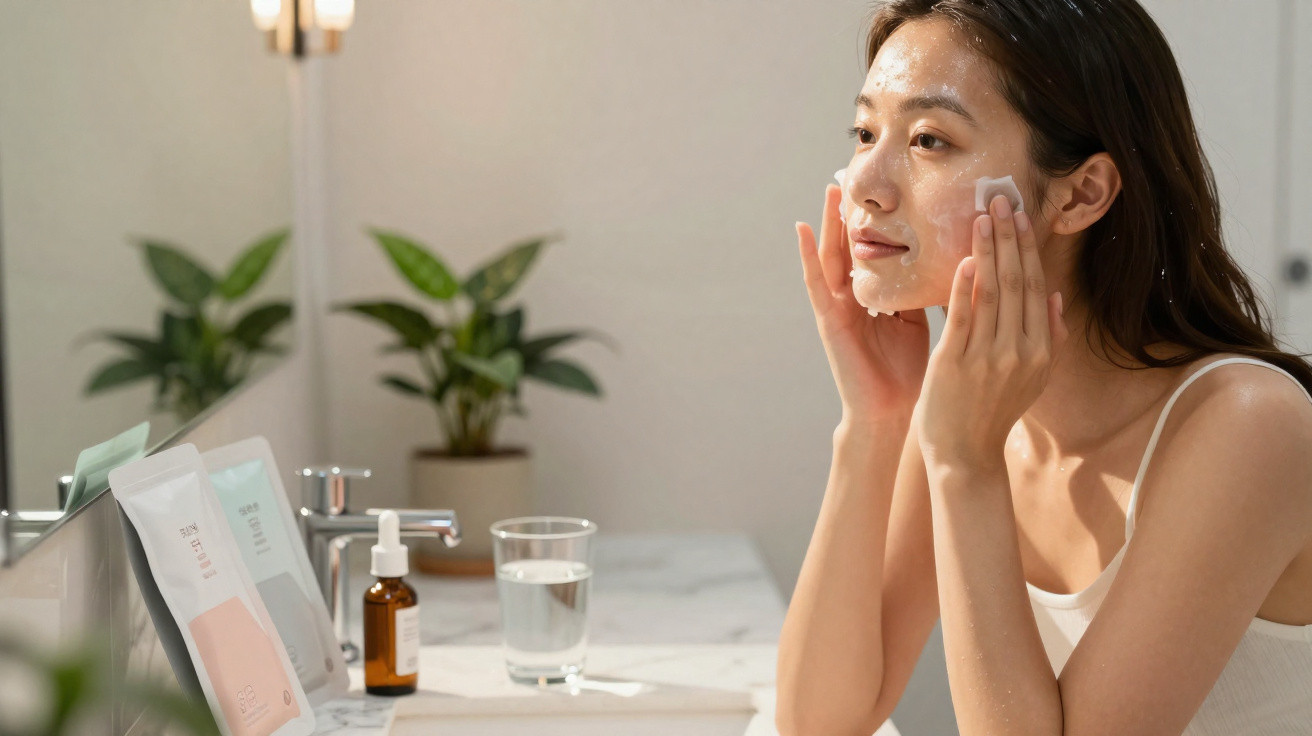
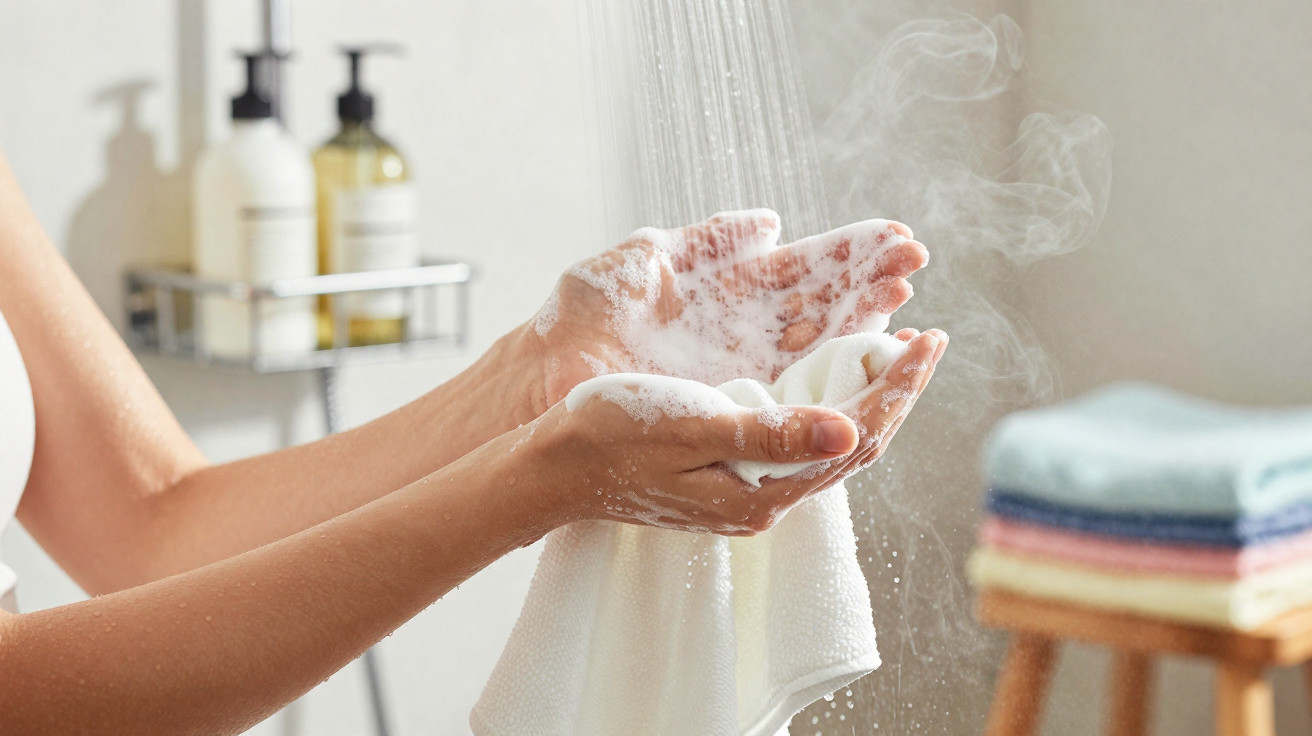
- Build up a rich lather from the bar or gel using warm water.
- Spread it over areas prone to odour: the neck, behind the ears, chest, back and underarms.
- Allow it to remain for 30–60 seconds to give it sufficient contact time.
- Rinse thoroughly, pat dry and apply a light, non-greasy moisturiser.
- Use it every day for two weeks, then adapt usage to your needs.
“Contact time beats elbow grease. Let the lather sit, then rinse. No harsh scrubbing needed.”
Stainless steel “soap” for rapid neutralising
A stainless steel bar, traditionally used in kitchens to tackle garlic and fish odours, may also assist with persistent smells on the hands and certain body areas. Rubbing wet skin with the steel surface allows odour molecules to transfer and bind at the metal interface. It contains no perfume, leaves behind no residue and can last for years.
Safe, simple steps
- Hold the steel bar under running water to wet it.
- Rub it across wet hands or clean skin for 30 seconds.
- Rinse and dry, using a mild cleanser as well if complete cleansing is required.
- Do not use it on broken skin or rub too firmly over delicate areas.
Consider a steel bar an odour reset, particularly for hands after cooking or handling gym kit. For body care, many people use one alongside a gentle cleanser or persimmon soap on shower days.
Options at a glance
| Option | What it does | Best for | How to use | Notes |
|---|---|---|---|---|
| Persimmon soap | Neutralises 2‑nonenal and cleanses | Daily shower routine | Lather, leave 30–60s, rinse | Choose low-fragrance, pH-balanced formulas |
| Stainless steel bar | Binds stubborn odours on contact | Hands or quick touch-ups | Rub on wet skin, then rinse | Not a cleanser; pair with soap |
| Standard deodorant | Masks scent and reduces bacteria | Underarms | Apply to dry skin | Doesn’t target 2‑nonenal directly |
Sensitive skin, sorted
If your skin is prone to flare-ups, check the ingredients list. Aloe vera, glycerin, panthenol and ceramides can support the barrier while you deal with odour. Choose low-fragrance options. Avoid abrasive scrubs and strong daily acids, as these may increase inflammation and, by irritating the barrier, can paradoxically make odours persist.
Product texture is important too. A creamier bar or a syndet (synthetic detergent) with a pH of ~5.5 supports the acid mantle, helping skin remain settled while the persimmon extract works.
Lifestyle levers that reduce the whiff
- Limit deep-fried foods and late-night alcohol, as both encourage lipid oxidation.
- Address stress through brief, regular habits such as brisk walking, breath-work or a consistent bedtime.
- Stay well hydrated; dehydrated skin concentrates sebum by-products.
- Choose fabrics carefully. Cotton and bamboo are more breathable than close-fitting synthetics.
- Adjust your laundry routine: use enzyme detergents, wash towels and gym kit at 60°C, and dry everything fully to prevent mustiness.
- Alternate outer layers and air them between wears. Sunlight can help break down odours.
- If a medicine coincides with a sudden shift in body odour, talk to your GP before changing anything.
A realistic timeline
With proper contact time, many people notice a milder scent after their first wash. After one week, fabrics tend to retain less of the stale note. Results become more consistent after two to three weeks, as skincare and laundry routines begin working together. Aim for a gentle, reliable routine rather than an aggressive one.
Pitfalls to avoid
- Covering the smell with heavy perfume simply layers scents. Neutralise first, then add fragrance later if desired.
- Excessive scrubbing damages the barrier and may make odour worse over time.
- Failing to rinse properly leaves residue that can hold aldehydes in fabric fibres.
A simple weekly game plan
Every day, do a quick wash with persimmon soap, leave the lather briefly, rinse and use a light moisturiser. In the middle of the week, use a steel bar to freshen hands or the collar line after cooking or commuting. Once a week, wash towels and gym kit hot with enzymes, then dry them completely. Change pillowcases midweek if you use rich night creams.
Extra tools if you want them
Some people find that a gentle lactic acid body lotion used once or twice weekly leaves skin smoother and less prone to odour by reducing oxidised build-up. Use it sparingly and avoid applying it on the same day as shaving. For laundry, bicarbonate and vinegar may irritate skin or harm fibres, so this method avoids them in favour of targeted chemistry.
“Small, repeatable steps beat drastic fixes. Neutralise the molecule, clean the fabric, then keep the barrier happy.”
Key term to know
2‑nonenal: an aldehyde produced when particular skin lipids oxidise. Its smell can be grassy, stale or reminiscent of old fabric. Persimmon extract attaches to and neutralises it, explaining why these soaps can be so effective.










Comments
No comments yet. Be the first to comment!
Leave a Comment