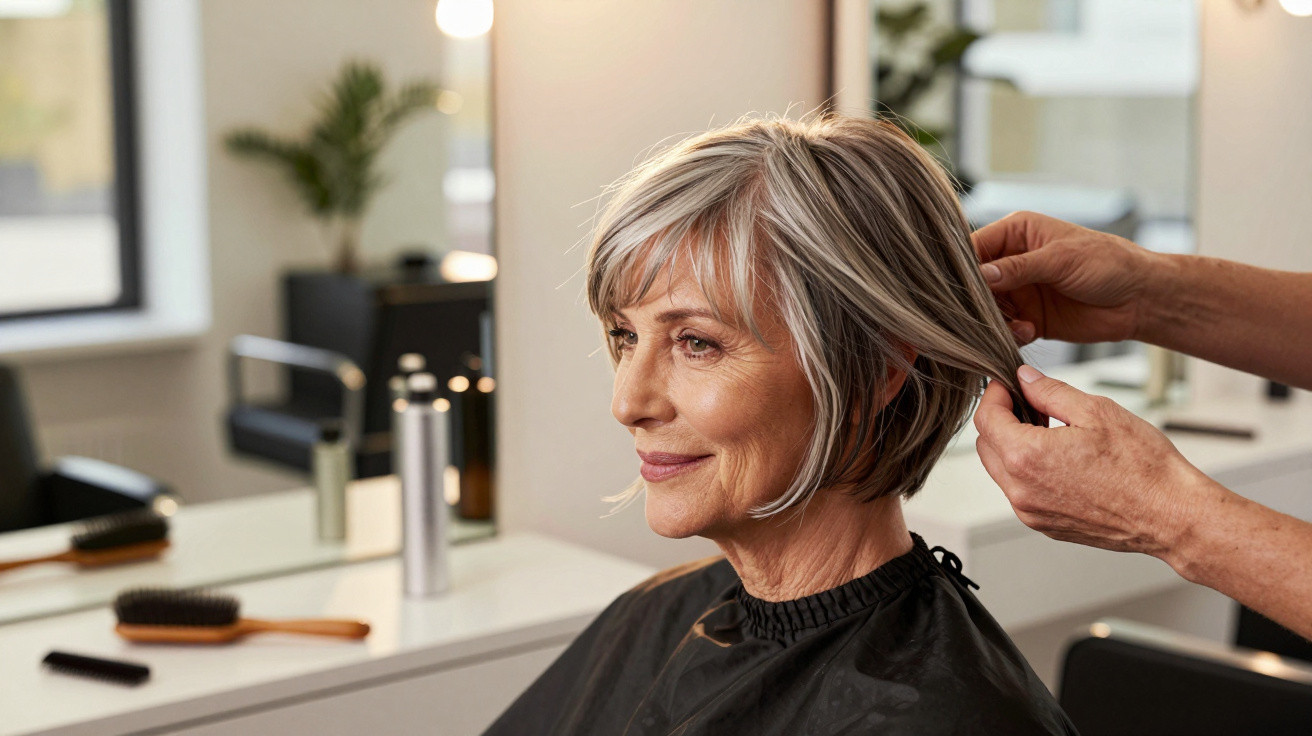
The pixie cut is now a favourite short hairstyle for women over 50 seeking a lighter, more refreshed appearance. When cut skilfully, it can illuminate the face, enhance the jawline and give features a more rested look. When it goes wrong, however, it may make the expression seem severe and add years. This is how hair professionals adjust length, texture and fringe so that a pixie acts like an immediate soft-focus filter rather than a rigid uniform.
Why the pixie cut is enjoying a revival after 50
Formerly regarded as a bold, almost rebellious style, the pixie has gradually become one of the most considered haircuts for mature faces.
Short hair exposes the face, which means every detail of the cut has a visible impact on how young, fresh or tired you look.
Hairdressers say that increasing numbers of women in their 50s, 60s and 70s are choosing pixie cuts for three principal reasons: convenience, lightness and style. Less hair means reduced blow-drying and styling time. Revealing the neck and jawline also visually “lifts” the head. The cut can also be tailored in several forms:
- Bixie or boxie – a fuller, marginally longer pixie that sits close to bob length.
- Grown-out pixie – a layered, feathered style with gentler edges and additional length through the top.
- Tapered pixie – cropped shorter at the nape and sides, with added length on top to provide shape.
Every one of these styles delivers the same benefit: less weight around the shoulders and greater focus on the eyes, cheekbones and smile.
Four professional techniques that make a pixie look 10 years younger
1. Create movement around the face
Movement is the main distinction between a “mumsy” pixie and a contemporary version. Hair lying overly flat across the forehead or temples can draw attention to wrinkles and produce a stern appearance.
Long, light, textured pieces at the front work like soft curtains, blurring fine lines and pulling attention to the eyes.
Rather than a short, blunt “helmet” fringe, many stylists suggest a longer feathered fringe that merges into the sides. This front section can:
- soften a high forehead without creating a strong horizontal line
- frame the upper part of the face and direct attention towards the eyes
- be worn swept to one side, parted or a little undone, depending on the occasion
Internal layering within the fringe is crucial. Fine, undetectable layers encourage the hair to respond when touched instead of remaining rigid against the skin.
2. Use generous layers for volume and softness
Hair commonly becomes less dense after 50. A one-length pixie cut into a sleek cap can sit close to the scalp and appear flat, an effect that can age the whole face.
The right amount and placement of layers build volume exactly where you want lift: on the crown, along the parting and around the cheekbones.
For a rejuvenating pixie, professionals generally:
- crop the back more closely to expose the neck and raise the overall silhouette
- retain a little extra length around the ears to soften the side profile
- introduce shorter top layers to build height and an airy finish
This layered construction can be particularly useful when hair is thinning or has uneven density. Overlapping strands conceal sparse sections and make hair appear fuller without requiring large amounts of styling product.
3. Use asymmetry to create a lively shape that follows the face
Visual balance need not rely on complete symmetry. A lightly uneven pixie is more flattering for many women over 50 than a precisely centre-balanced cut.
An asymmetrical front, with more hair on one side, draws the eye diagonally and makes features look more dynamic and lifted.
Hairdressers commonly create this effect by:
- setting the parting slightly away from the centre, following the direction in which the hair naturally falls
- keeping the fringe longer on one side so it can sweep across the forehead
- trimming the other side slightly shorter to define the jawline
The imbalance should look deliberate without becoming dramatic. Aim for a “flattering angle”, not avant-garde art. When it follows the face’s natural growth pattern, it sits neatly along the contours and reduces the appearance of sagging at the jaw.
4. Pick a feathered fringe that suits nearly everyone
Many experts highlight one feature that flatters most face shapes at almost any age: a long, delicate feathered fringe.
This kind of fringe frames the face softly, takes attention away from forehead lines and upper lids, and adds a touch of youthfulness without looking try-hard.
The fringe may begin higher on the crown, allowing it to blend naturally with the upper layers. It should not be cut overly thick or solid, as this can weigh down the facial features. Instead, picture separated, piecey strands that can be defined with the fingers, like those seen on many actresses who alternate between bobs and pixies.
“Aging” errors that can make a pixie look dated
A cut that is overly short, rigid or uniform
A very short pixie with sharply defined lines may suit particularly youthful faces, yet after 50 it can often emphasise shadows and angles. Without texture or volume, hollows and lines are more noticeable.
The more rigid the outline, the more every wrinkle and dip stands out; softness works like a filter.
Your pixie may have become too harsh if it has:
- no apparent movement when you shake your head
- distinct, straight lines around the forehead and ears
- styling dependent on heavy gel or lacquer to keep every strand fixed
A softly tousled finish created with a lightweight cream or texturising spray can immediately loosen the overall effect and make it feel current.
Flat colour without dimension
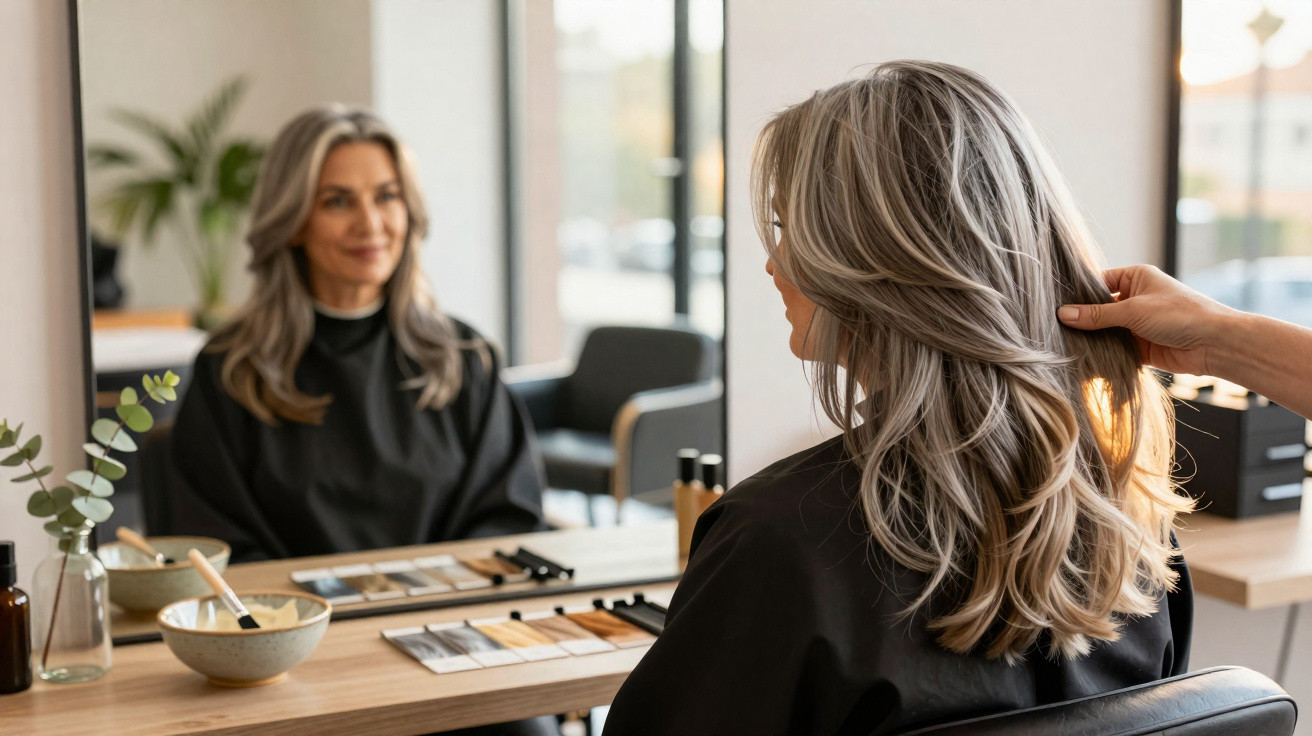
Colour and cut should work in tandem. One dense shade without highlights or lowlights may leave even an excellent pixie looking heavy and tired, particularly on grey or very dark hair.
Subtle contrasts in tone reflect light, which gives skin more radiance and hair more depth.
Short hair works especially well with options such as:
- soft balayage that brightens the crown and fringe
- delicate face-framing highlights that enliven the complexion
- toning grey hair to a cooler or warmer shade that complements your undertone
As a pixie reveals the roots quickly, obvious regrowth can appear untidy. Refreshing the toner or touching up the roots every four to eight weeks keeps the result polished and intentional.
Maintenance: the less glamorous key to a youthful pixie cut
Short haircuts require trims more regularly than longer styles. A pixie that looked perfectly proportioned four weeks earlier can become bulky at the sides or fall flat on top as it grows out.
| Aspect | Ideal frequency | Why it matters after 50 |
|---|---|---|
| Shape refresh | Every 4–6 weeks | Stops the cut from dropping and drawing attention to sagging areas |
| Colour/toner | Every 4–8 weeks | Keeps greys purposeful and prevents dull, flat-looking tones |
| Fringe trim | Every 3–4 weeks | Preserves an eye-opening effect without obscuring the face |
Texture care matters too. Mature hair may be drier and more delicate, meaning powerful gels or sprays high in alcohol can roughen its cuticle. A light styling cream, a pea-sized amount of wax or salt spray applied sparingly will shape the layers without making them stiff.
Selecting the right pixie for your face and lifestyle
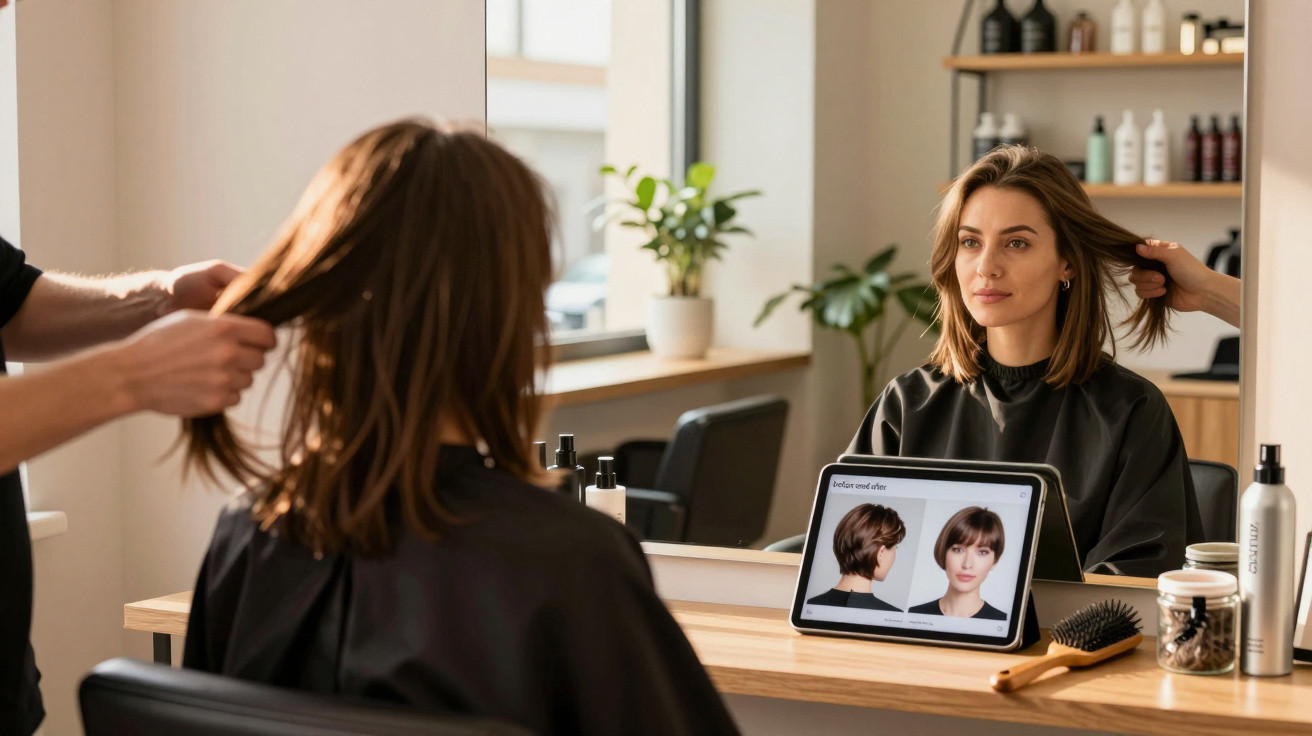
No single pixie cut works for every face. Before recommending a particular version, a good stylist considers face shape, hair texture and your everyday routine.
- Round face – added height at the crown with reduced width at the sides gives a more elongated effect.
- Square face – wispy, soft sides and a side-swept fringe take emphasis away from a pronounced jaw.
- Long face – increased fullness at the sides plus a gentle fringe that skims the cheekbones helps balance vertical length.
- Oval face – suits most pixie styles, including bolder asymmetry.
Hair texture is equally important. Naturally wavy or curly hair often gives a pixie immediate volume, whereas very fine, straight hair may require additional layers and a light root mousse. If you seldom style your hair, request a cut that settles into shape when air-dried and needs little product.
Extra tips: styling techniques and useful vocabulary
Two at-home habits can quickly modernise a pixie. First, blow-dry the front sections upwards and backwards for a few seconds before moving them to the side; this creates lift instead of a flat fringe. Next, rub a very small quantity of product between your fingertips and pinch random ends to disrupt an overly uniform finish.
Your hairdresser may use words including “tapered” and “texture”. Tapered means the hair becomes progressively shorter towards the neck and sides, keeping the style streamlined and elegant. Texture describes the small internal cuts that prevent hair forming a solid block; these allow air through and create a soft, tousled, youthful effect.
If going extremely short feels daunting, a “bixie” – positioned between a bob and a pixie – offers a lower-risk trial. Should you enjoy its lift and freedom, you can go shorter at the following appointment; if you do not, there is still sufficient length to grow it into a traditional bob without much fuss.




Comments
No comments yet. Be the first to comment!
Leave a Comment