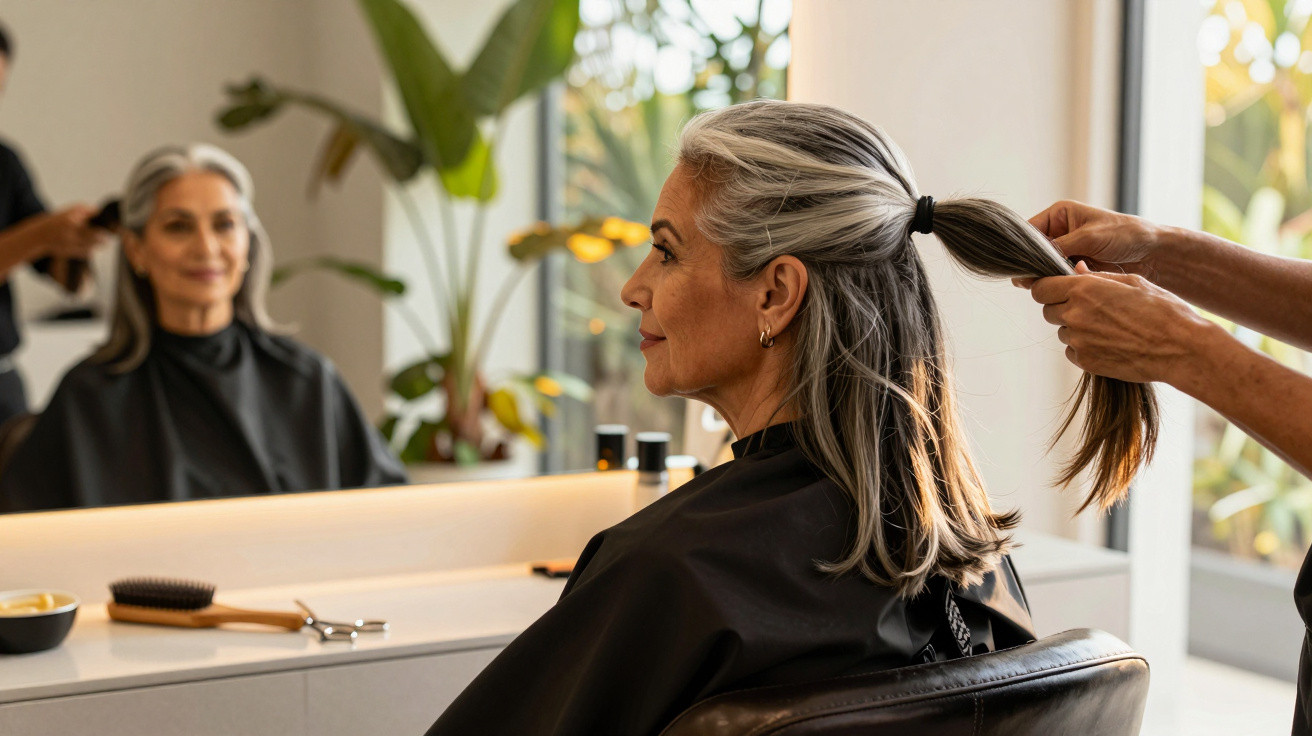
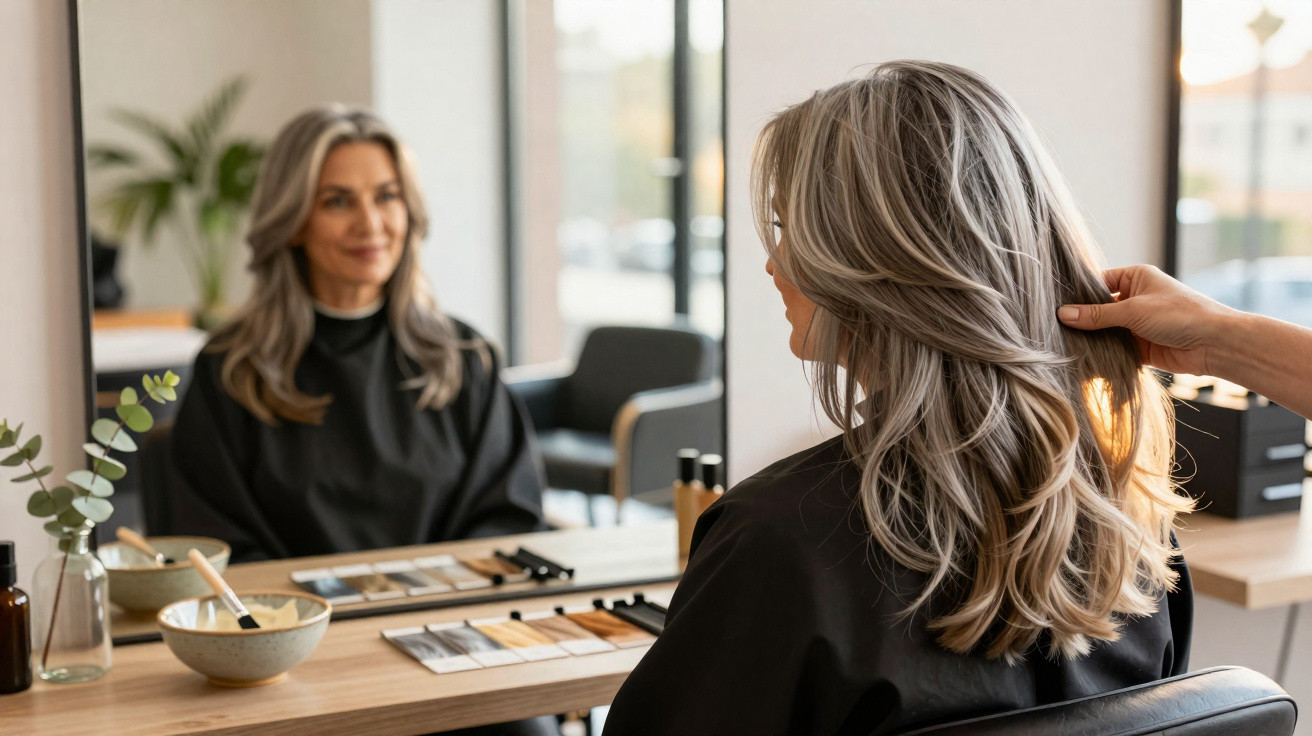
At the far end of the salon, beside the window, a woman in her sixties studies her reflection intently. Her hair reaches almost to mid-back: a long, washed-out fall of brown, with persistent grey at the temples. In her hands is a slightly creased photograph of herself at 28, wearing much the same style. The young hairdresser proposes layers. Perhaps a bob. Something with less weight. The woman tenses and says again, “I’ve always had long hair. It’s my thing.”
In the mirror, the stylist meets my gaze. It is the small professional sigh that never appears on the bill.
What this woman has not been told is that her hair is doing more than simply growing long. It is communicating a story she may not even see.
Why holding on to long hair after 60 can age your entire look
Spend an afternoon in any busy city salon and the pattern soon becomes familiar. Women over 60 arrive with lengthy hair tied into weary low ponytails or worn straight down their backs, weighty and lacking life. They take the chair and utter the same three words: “Just a trim.” It is not necessarily because they love their existing look, but because cutting it feels like a route to looking like an “old lady”.
Yet the reflection often suggests precisely the reverse. Unshaped long hair can pull facial features downwards, draw attention to every softening of the jaw and lead the eye straight towards the neck. It becomes a kind of highlighter for the very features they would prefer to soften.
A Paris stylist once told me about a 67-year-old client who had kept waist-length hair since university. Its colour was uneven: partly faded dye and partly natural grey. Her daughter had pleaded with her to “do something, anything”. When the stylist recommended a shoulder-length cut with face-softening layers, the client nearly panicked.
Eventually, they settled on “just above the bra strap”. Half an hour later, her shape was lighter, there was soft movement through the hair, and the grey had been blended into a gentler shade. Her daughter burst into laughter. “You look younger than me.” The client did not suddenly look 30. She simply looked contemporary. Alert. Less like an old photograph and more like a woman living in the present.
Why can length make such a difference after 60? With age, hair naturally becomes finer, drier and more delicate. When it is kept long, the diminished volume is spread over a larger area, leaving less density where it has the greatest impact: around the face. The outcome can be a limp curtain that highlights flatness rather than movement. Meanwhile, facial structure changes too. Cheeks lose fullness, the jawline becomes softer and the neck loses firmness. Long, straight hair creates a downward vertical line that mirrors gravity’s pull.
A considered cut redirects that effect: lift at the crown, softness around the cheeks and a defined line around the neck. It is not magic; it is geometry applied to hair.
The “emotional haircut” women fear – and why stylists want you to reconsider
Speak to a dozen seasoned hairstylists about women over 60 and they will often say the true challenge is not the hair itself, but the memories attached to it. Long hair can represent a former version of yourself: the girl dancing at gigs, the mother carrying a baby on her hip, the woman who used to turn heads on a night out. Cutting it may feel like removing evidence that she was ever that person.
The professional task is to honour that emotional significance while carefully posing a direct question: does this hairstyle still work for your face today, or does it only serve your memories?
The error they mention most often is the “forever ponytail”. You know the one: a thin tail at the nape, secured with an ordinary elastic, perhaps with a few strands slipping loose near the ears. It is practical, certainly, but seldom flattering. A London colourist told me about a retired teacher who had worn this look for 30 years. Her pupils had called her “the lady with the rope hair”. She laughed as she recalled it, then fell quiet.
When her hair was eventually cut into a textured bob at jaw length, she ran her fingers through it and whispered, “Why did I wait so long?” It was not because shorter hair is invariably superior. It was because years of compromise had stopped her from trying a style that suited the person she had become.
There is a reason many professionals believe that stubbornly holding on to long hair after 60 can appear “out of touch”. For once, culture is moving in your direction. Natural grey, soft fringes and current short cuts are highly visible. They can be seen on news presenters, actresses and the stylish grandmother in a café alike. The visual language has changed. Remaining fixed in a hairstyle from 1983 does not necessarily look rebellious; it can look as though time has paused.
Let’s be honest: nobody really does this every single day. Nobody gets up thinking, “I choose this outdated look on purpose.” Life gets busy, fear creeps in and familiarity takes over. Hair turns into background noise. That is how a gap develops between how you imagine you look and what others actually see.
What hairstylists wish women over 60 would choose instead
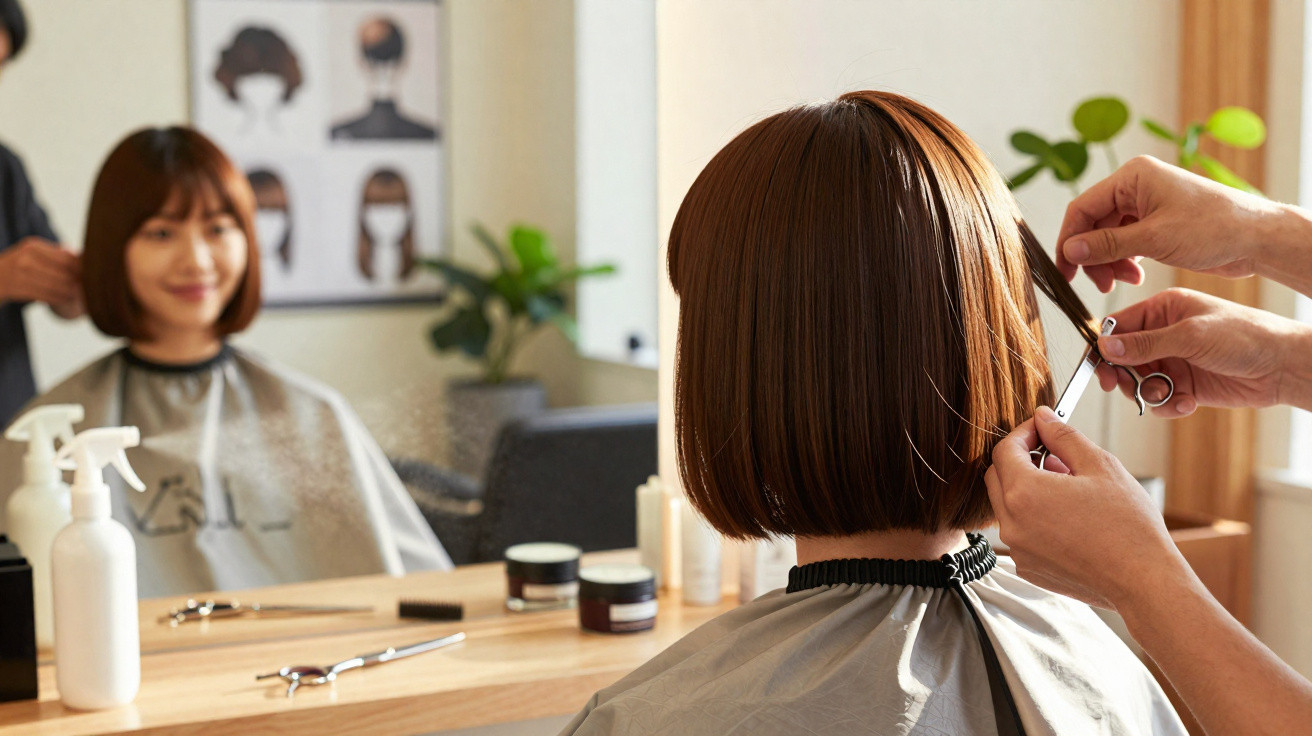
Hairstylists who regularly work with women aged 60+ often begin with a straightforward exercise: ignore age and consider shape. They may hold their hands at imagined lengths - the chin, collarbone and upper chest - then ask you to observe your face rather than your hair. At which point do your eyes appear larger? When does your neck look longer or your jawline more defined? That is frequently the most flattering area.
They then create a style with root lift and gentle movement around the cheeks. The aim is not simply “short hair”. The aim is purposeful hair that frames the face instead of pulling it down.
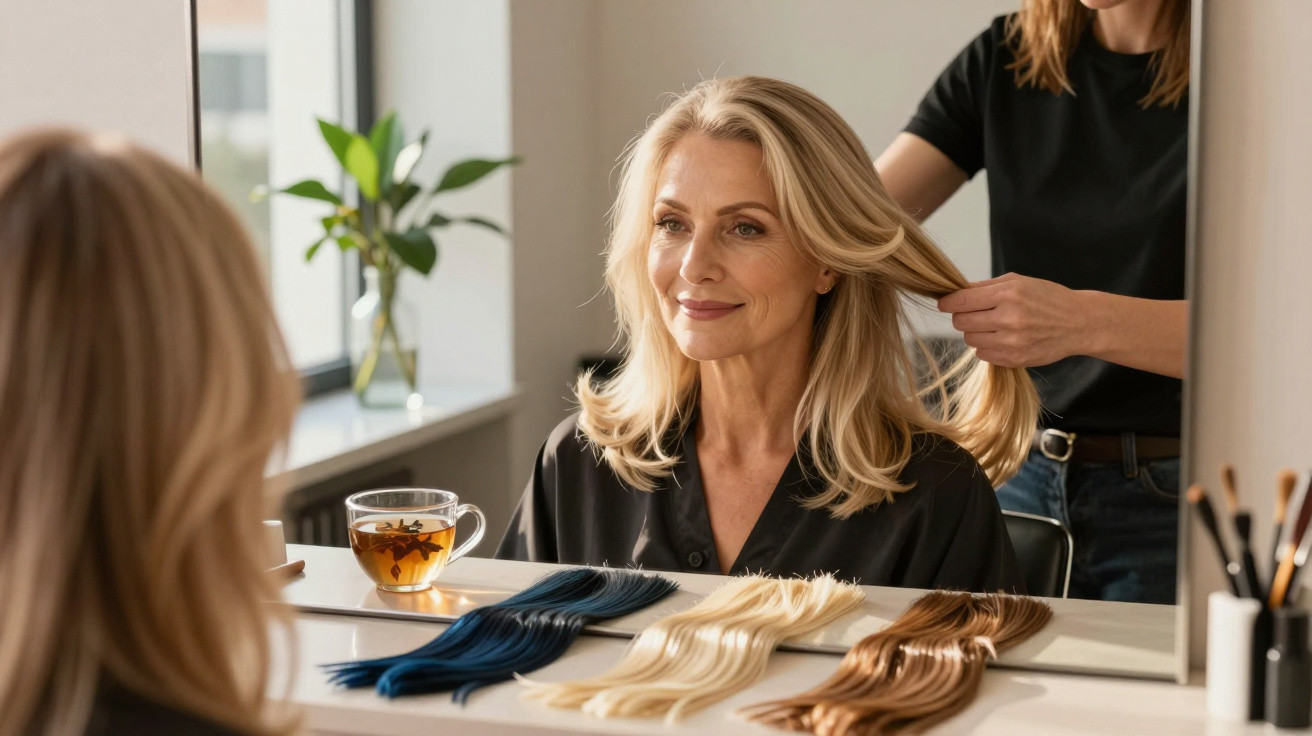
One dependable technique is avoiding a single, dense line at the ends - the feature that can make long hair resemble a curtain. Stylists favour soft layers beginning at the cheekbones or just beneath the chin. These form small pockets of volume that look fresh both on camera and in person. They also allow you to tuck hair behind your ears or wear it half-up without creating the impression of a hair helmet.
The major mistake is requesting “just cut off 10 centimetres” and assuming this automatically creates a fresh look. Length is only one element. Texture, where volume sits and the finishing of the ends are what distinguish a youthful, modern silhouette from a long cut that merely… ends sooner.
Hairstylists can be remarkably candid when speaking off the record.
“We don’t want to rob you of your long hair,” one New York pro told me. “We want to rob years off your face. When you cling to hair that looks tired, you’re not keeping your youth. You’re keeping your past. Those are not the same thing.”
Professionals usually return to several central principles:
- Pick a length that creates volume around the face rather than simply extending down the back.
- Blend grey using tone and shine instead of masking it with flat, all-over colour.
- Request movement: gentle layers, broken-up ends and no severe “helmet” shapes.
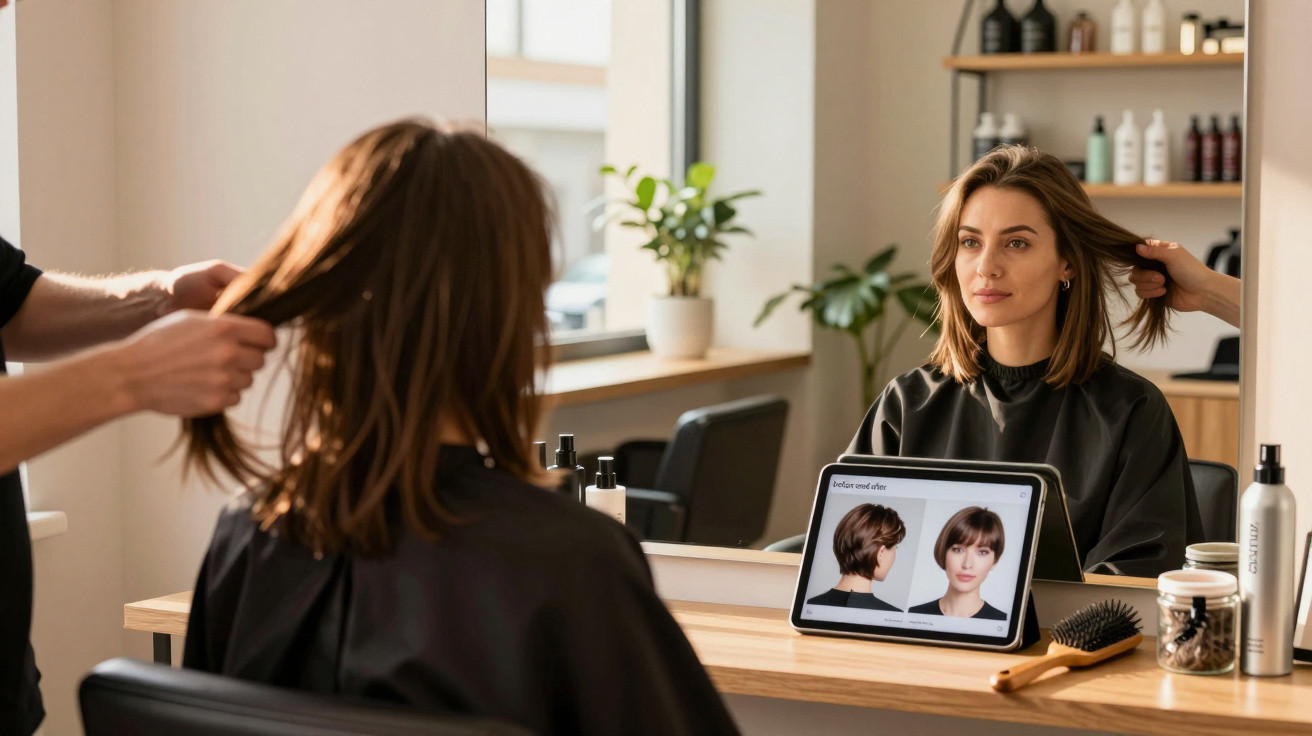
- Take photographs of women your own age whose current hair you truly admire, rather than styles from 30 years ago.
- Book one “brave” appointment each year, when you and your stylist test a subtle update.
They understand that courage in the salon chair has limits. That is why change is often broken into small, manageable stages.
Rethinking hair after 60: editing rather than surrendering
Talk for long enough with hairstylists who enjoy working with women over 60 and a clear pattern emerges. The strongest cuts do not shout; they quietly make their point. A little height at the crown. A softer fringe grazing the eyebrows. A length that ends where your posture still feels confident, rather than where hair begins to weigh on your shoulders. This is not about cutting everything off on a birthday. It is about discreetly editing what no longer represents you.
We have all had that experience of catching our reflection in a shop window and wondering, “Is that really what I look like now?” Hair is often the simplest place to address that question deliberately, rather than by habit.
That could involve retaining long hair while asking for discreet internal layers, fresher colour or softer framing around the face. Or it could mean taking the chance on a mid-length cut that moves as you walk instead of merely hanging there. Some women suddenly feel lighter, as though they have shed not only centimetres but expectations. Others proceed slowly, centimetre by centimetre, becoming familiar with themselves again after every adjustment.
The “shocking reason” so many professionals caution against clinging to old long hair is not that long hair is prohibited after 60. It is that hair can become a quiet museum of who you once were instead of an active expression of who you are now. That is what can appear old-fashioned and out of touch: not your age, but the disconnect between your energy and your reflection.
The next time you take a seat in the salon, try a small experiment. Ask your stylist, “If I walked in as a blank canvas, no history, what cut would you give me today?” Allow them to answer honestly. You do not have to agree, and you do not have to cut it all off. Just hear them out. Somewhere between your fear and their trained eye is a version of you that looks exactly as you secretly want to feel: present, visible and unapologetically here.
Perhaps your future is not shorter hair. Perhaps it is simply braver hair.
| Key point | Detail | Value for the reader |
|---|---|---|
| Length should serve the face | Selecting lengths from the chin to the collarbone can often lift features rather than pull them down | Offers a practical guide when discussing a cut with a stylist |
| Movement beats heaviness | Soft layers and shaping around the cheeks produce a fresher, more current appearance | Helps prevent styles that accidentally age or make facial features look harsher |
| Update, don’t just “trim” | Small yearly reinventions keep hair aligned with how you live and feel today | Encourages gradual, ongoing change rather than one dramatic and frightening chop |






Comments
No comments yet. Be the first to comment!
Leave a Comment