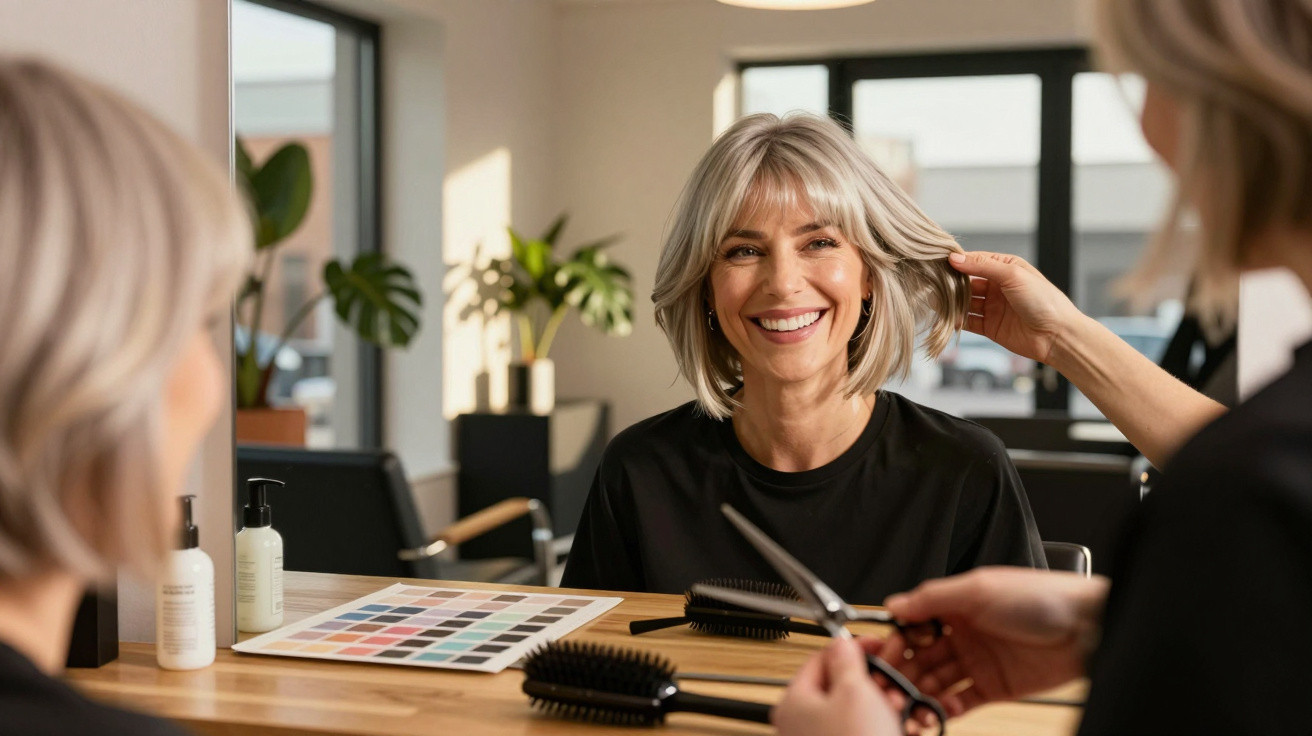
Many women over 70 find themselves looking in the mirror again in spring and noticing that their hair appears finer, while the cut that once suited them no longer quite flatters their face. Long locks can often feel too heavy, whereas conventionally short hairstyles can soon look severe. A modern short hairstyle designed specifically for mature hair is now attracting attention: the so-called “Trixie Cut”.
What the Trixie Cut is all about
Created by a well-known international hairdressing house, the Trixie Cut combines two established concepts: the classic pixie cut and a highly layered technique built around movement. The result is a short hairstyle with a noticeably softer finish, easy day-to-day styling and a visually lifting effect on the face.
Unlike a traditional pixie, the Trixie Cut is left slightly longer and has a less harsh appearance. Its outline is gentler, the transitions are smoother and the ends are deliberately textured. Rather than being cut extremely short, the nape is allowed to softly frame the neck. This can feel reassuring, particularly for women who have never worn a very short style before.
The Trixie Cut is a short, soft and heavily layered haircut that creates volume precisely where mature hair needs it most – at the crown and around the face.
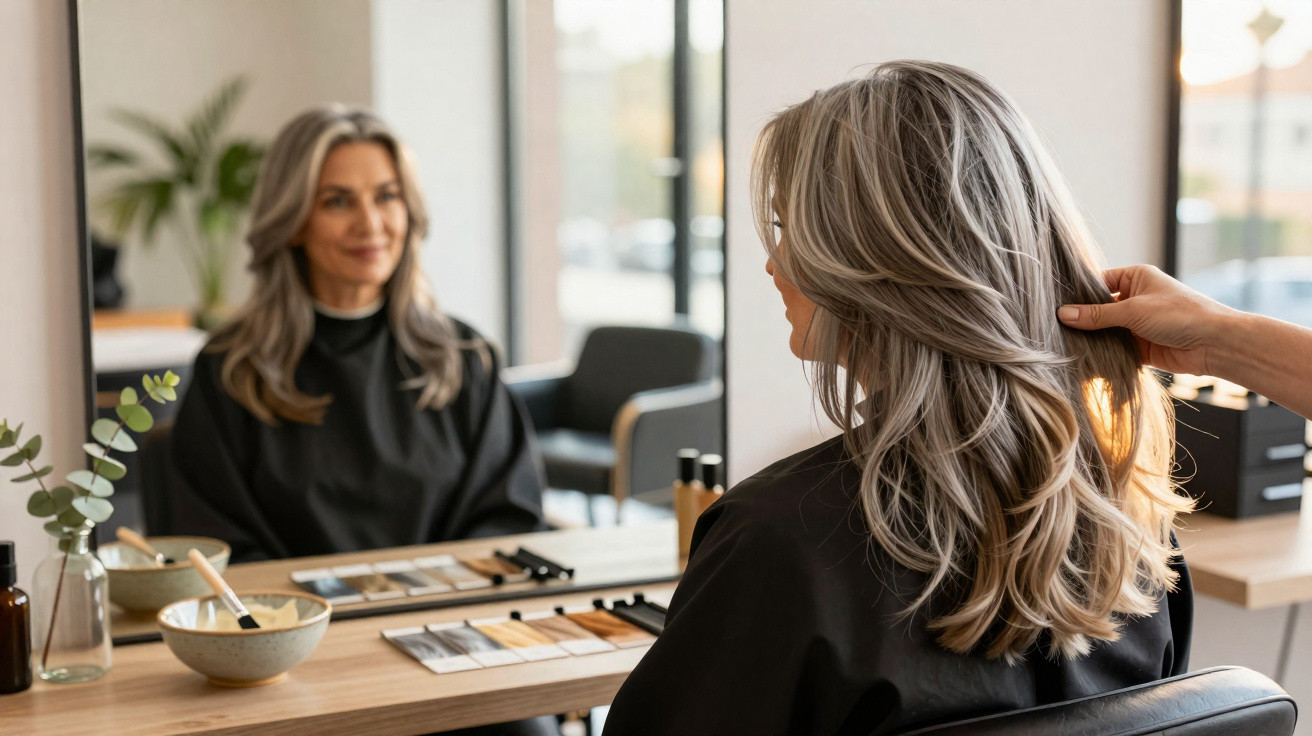
This shape is especially effective on white or grey-blended hair. The many fine layers catch and diffuse the light, making individual sections look more lively and giving the entire head greater movement without requiring much product.
Why the Trixie Cut looks so rejuvenating after 70
As we get older, it is not only the skin that changes; hair texture changes too. It becomes finer, loses resilience and can lie flat against the scalp more quickly. This is exactly where the Trixie Cut comes in.
Targeted volume without a helmet-like effect
The layers are placed to create more lift at the crown and temples. Fine hair is raised without looking backcombed. The cut makes it easier to add volume using only your fingers and a little spray, instead of repeatedly relying on a round brush.
- The top layers are kept a little longer to create the impression of more fullness.
- Fine layers at the roots help to prevent a flat-looking crown.
- Lightly textured sides can disguise sparse areas at the temples.
The result does not simply appear fuller; it also looks more youthful. Hair that seems denser is often automatically associated with vitality, a psychological effect the Trixie Cut uses cleverly.
Soft outlines for a smoother-looking face
Another advantage is the way this cut frames the face. Strands around the cheekbones and jawline are deliberately worn with lightly textured ends. This softens strong lines and draws attention away from deeper wrinkles or a less firm cheek area.
The hairstyle can also discreetly soften small concerns:
- Side strands can help conceal pronounced nasolabial folds.
- Slightly longer pieces at the cheeks can make facial contours appear more balanced.
- Fine ends around the forehead shift focus away from forehead lines without creating a fully closed fringe.
On naturally grey or white hair in particular, this creates a kind of “lifting effect”. The broken-up texture allows light and shadow to play across the hair, making facial features appear fresher.
How to ask for the Trixie Cut at the salon
Many mature clients feel hesitant about trying an entirely new cut. Anyone wanting to test the Trixie Cut should give their stylist a clear yet straightforward brief. Technical terminology is not necessary; what matters is communicating your preferences.
- Explain that you would like a modern but not extreme short hairstyle.
- Ask for a pixie-like base, but softer and with extra length at the sides.
- Make clear that volume at the crown is important, rather than volume at the nape.
- Emphasise that the contours around the ears and neck should remain soft.
A photograph can be useful as a reference, ideally showing a woman with grey or white hair and a similar face shape. If you wear glasses or hearing aids, be sure to discuss how the area around the ears should be cut. A good hairdresser will ensure that nothing feels uncomfortable or repeatedly catches on the frames.
Everyday styling: little effort, strong impact
For many women over 70, one major benefit of the Trixie Cut is that it can be styled with very little effort. Ideally, a quick look in the mirror and a few simple movements are all that is needed.
A typical morning routine could look like this:
- Towel-dry the hair only; do not rub it dry.
- Work a small amount of lightweight volumising mousse or texturising spray into the roots with your fingers.
- As you blow-dry, lift the hair with your hands instead of drying it flat.
- Finish by defining selected ends with a little wax or styling paste.
This keeps the look lively, so it does not seem overly styled as though you have just left the salon, but instead relaxed and modern. Those who do not want to use a hairdryer can allow many versions of the Trixie Cut to air-dry. Natural cowlicks and waves will then make the cut feel even more individual.
To retain its shape, it should be trimmed every five to seven weeks. If the hair grows noticeably longer, the signature lift disappears and the hairstyle starts to lose its structure.
Which face shapes and hair types suit the cut
The Trixie Cut does not have the same effect on every woman, but it can be adapted well. In general, it works particularly harmoniously with the following characteristics:
| Feature | Effect of the Trixie Cut |
|---|---|
| Round face | Extra height at the crown visually elongates the face, while side strands create a slimming effect. |
| Oval face | Almost any variation works, from elegant to bold. |
| Square face | Soft ends around the edges reduce the harshness of the contours. |
| Fine hair | Layers add fullness and movement without extensive styling. |
| Slightly curly hair | Natural waves enhance the lively texture. |
Very thick, particularly unruly hair may require an adapted version in which some of the bulk is carefully thinned out. A detailed consultation is worthwhile here, so that the cut does not look too heavy.
Colour, shine and care: what makes the look appear even younger
The Trixie Cut gets its impact not only from its shape, but also from colour and care. A small adjustment can make a significant difference, particularly for grey or white hair.
Options for an even fresher result include:
- Soft highlights: Fine, subtly placed lighter reflections add depth and make hair seem denser.
- Shine spray: A light mist applied at the end gives radiant shine without weighing the hair down.
- Anti-yellowing products: Special shampoos help white hair remain clear and elegant.
- Lightweight care: Treatments that provide moisture without making the hair fall flat.
For anyone who has previously bleached or coloured their hair, the Trixie Cut can also make the transition to natural grey look more elegant. The shorter length allows remaining colour to grow out more quickly, while the lively texture disguises sharp colour transitions.
When courage pays off: a hairstyle as a sign of a new chapter
Choosing a short hairstyle after many years of longer hair is more than a cosmetic change. Many women say that a modern, textured short cut makes them feel more visible and present again. Their reflection feels more aligned with who they are inside: active, curious and fully engaged with life.
The Trixie Cut can convey exactly this message. It does not look artificially youthful, but contemporary. Pairing the cut with new glasses, slightly bolder clothing or light make-up can emphasise the effect even further. The overall result is not intended to make someone look “younger”, but to enhance the presence they already have.





Comments
No comments yet. Be the first to comment!
Leave a Comment