On a wet Tuesday on a packed Underground train, a woman in a sharply tailored blazer and an immaculate silver bob entered the carriage. Passengers glanced up, then took a second look. Her grey was nothing like the weary, “I gave up” shade we have been conditioned to dread. Her hair gleamed like metal, her complexion appeared brighter, and her lipstick looked more vivid than anyone else’s. Beside her, a younger colleague with flat, blocky brown colour and obvious roots appeared… older. More weary. Less self-assured.
Something unusual is currently happening to grey hair. What was once treated as a marker of decline is quietly becoming a statement of power. A fresh aesthetic rule is taking shape in real time, right in front of our mirrors.
And it is making many people profoundly uneasy.
Why grey hair suddenly looks… younger
A scroll through Instagram or TikTok makes the shift obvious: silver bobs, salt-and-pepper curls and glossy steel ponytails. They are not appearing only on grandmothers, but on people in their thirties and forties who could easily conceal them. The striking part is that many look fresher and more contemporary with grey hair than they did in their previous shade. Their eyes become more noticeable, their skin appears more even, and their overall style looks crisper.
The first time you see it, there is a sense of contradiction. For decades, we have been taught that youth means an even chestnut brown, a warm blonde, anything except grey. Yet these new “silverheads” do not appear older. They look as though they have walked out of a designer campaign.
Ask colourists in major cities and they report the same change. A few years ago, clients asked only to “Hide every single gray.” Now their diaries fill up with requests for “gray blending” and complete “silver transitions.” One stylist based in Paris says that more than 40% of her new clients bring screenshots of grey-haired influencers. They are not there to erase age; they want to define their identity more sharply.
Consider Sophie, 43, a project manager who spent 20 years pursuing the “perfect” chocolate brown. Every four weeks meant a salon visit; every three days meant dealing with roots. “I felt like I was painting on a lie,” she admits. Last year, she moved to a cool, icy grey blend. Her colleagues assumed she had undergone facial cosmetic work. She had not. She had simply stopped battling her hair.
What is happening is largely optical. Dark, flat, at-home dyes can make facial features seem harder and pull light away from the face. They create a solid border around every line and shadow. Grey hair, particularly when it is clean and well cut, bounces light rather than soaking it up. It softens contours, lifts the area around the eyes and cheekbones, and makes hair appear lighter. Movement becomes more visible, while texture turns into a feature rather than a fault.
That is where the paradox emerges: the supposedly ageing colour can make a face look more alert, while the traditional anti-ageing shade can make it seem heavier. This is also where the debate begins. Is grey hair now a beauty shortcut… or merely another form of pressure presented as freedom?
How people are going grey without feeling like they’ve given up
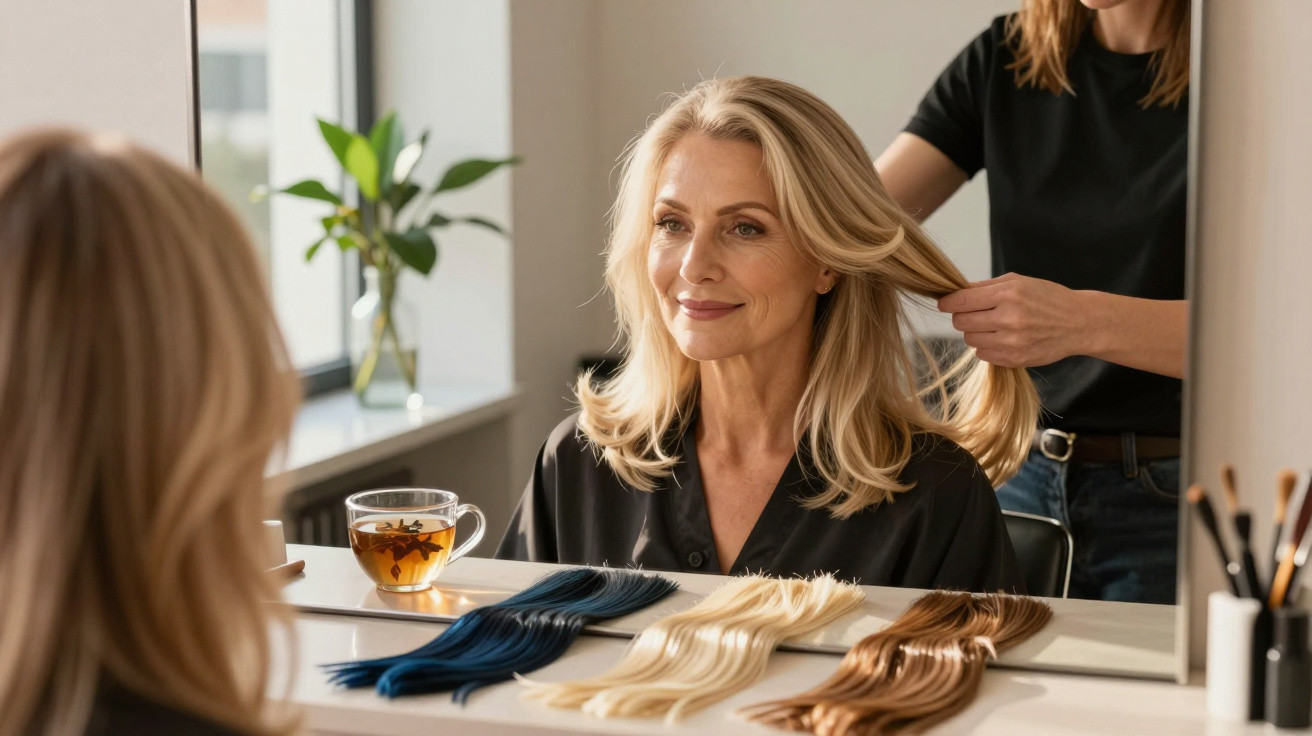
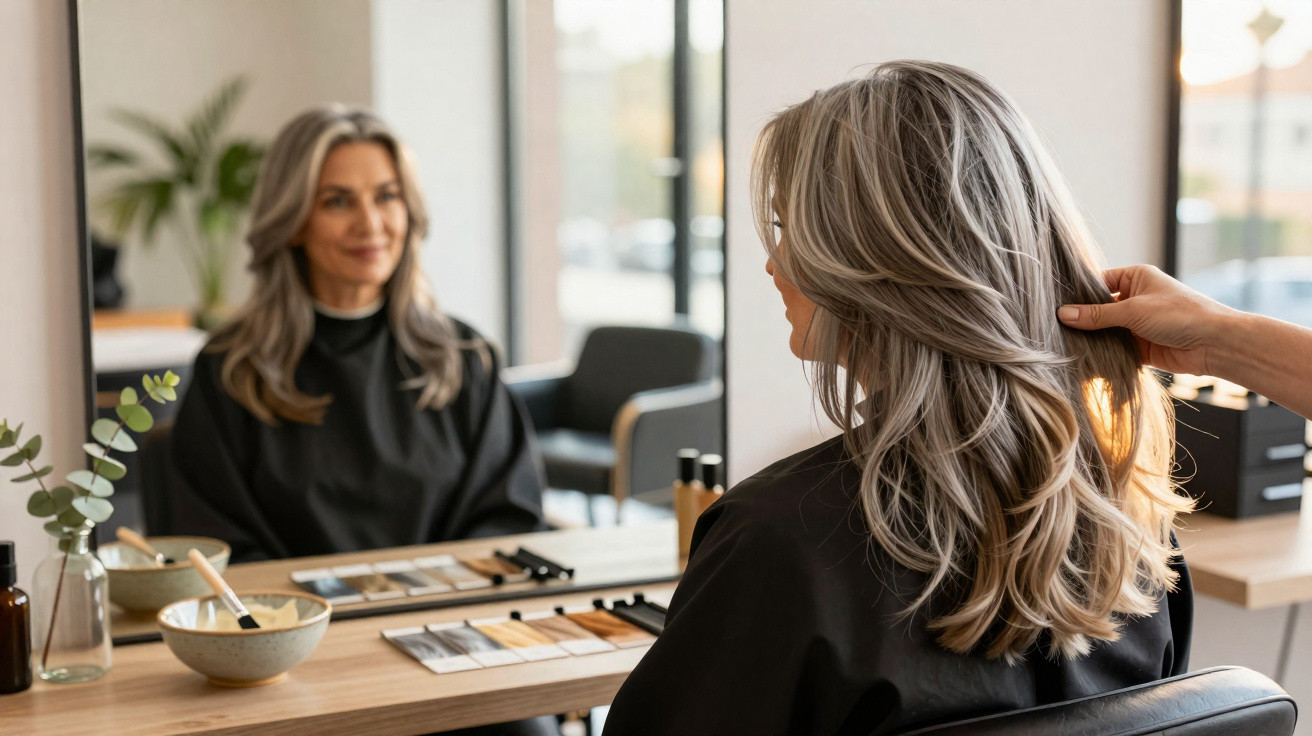
The greatest worry is always the same: the dreaded “two-tone” stage. Half coloured, half grey, and full of regret. The newer grey trend developed largely to address exactly that problem. The approach many colourists now recommend is called “gray blending.” Rather than quitting colour overnight, they introduce extremely fine, cooler highlights and lowlights that echo your natural white pattern.
Across six months to a year, the severe root line gradually fades into a gentle gradient. By the end, your natural grey does most of the work, while any remaining colour provides invisible support. People may notice that something has changed without being able to identify precisely what. You simply look… rested.
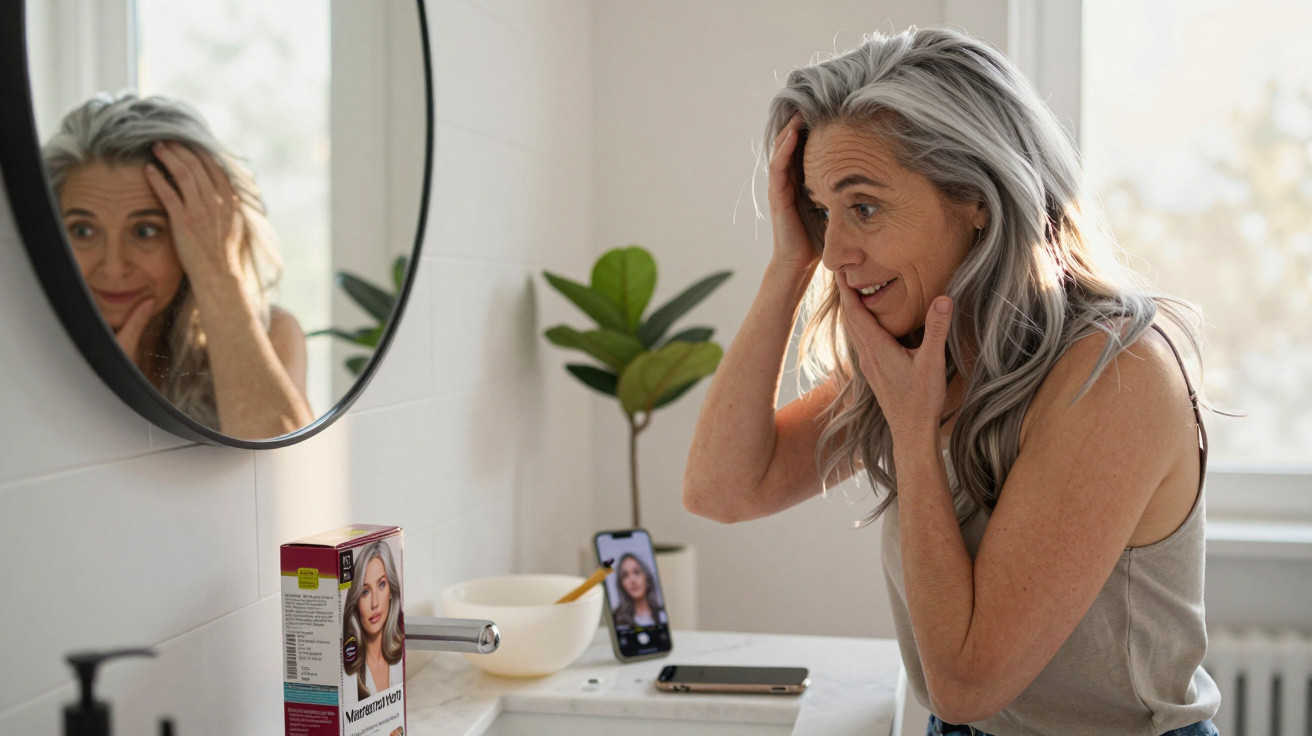
The emotional mistake is trying to rush the process. Some people panic, cut everything off or bleach their hair aggressively at home. The result can be a severe shock: dry, patchy lengths, yellow bands and roots that do not match the rest. Then the old anxiety returns at once: “See, gray does make me look older.”
A more gradual transition tends to feel gentler. Keep your familiar cut, soften your make-up slightly if you wish, and allow those around you to adjust alongside you. The goal isn’t to become a different person; it’s to stop wrestling with what your body is already doing. There is a certain relief in accepting that, on some mornings, you do not want to organise your entire life around your roots.
“Going gray wasn’t about being brave,” says Lila, 51. “It was about being tired. Tired of pretending my hair was standing still while the rest of my life was changing. Strangely, when I let my gray show, everyone told me I looked more like myself.”
- Begin with a consultation. Ask a colourist specifically about gray blending, cool toners and the realistic duration of a transition given your colour history.
- Change your products. Replace shampoos that encourage yellowing and weighty serums with purple shampoo, lightweight hydrating masks and heat protection designed to boost shine.
- Refresh one small detail. It could be your glasses, brows or lipstick. A minor style update can make grey look deliberate rather than accidental.
What “natural” even means when filters and dye are everywhere
Look closely at this grey wave and a more fundamental question starts to surface. If millions conceal their grey and millions more filter their selfies, what does “natural” genuinely mean now? The discussion around grey hair strikes a nerve because it touches every unspoken rule we have absorbed: look young, but not too young; look polished, but not artificial; remain “natural”, provided that “natural” appears flawless.
The straightforward reality is this: nobody owes anyone else a “natural” face or a dyed one. Some people feel enormously empowered by allowing their grey to grow through, while others feel most like themselves with a bottle of colour in the shower. Between these positions lies the untidy reality in which people balance time, money, workplace culture, prejudice and their own reflection.
This trend feels so charged because grey refuses to remain neutral. On some people, it looks cutting-edge; on others, it still prompts whispers about “letting yourself go.” Very often, those whispers begin inside our own minds.
| Key point | Detail | Value for the reader |
|---|---|---|
| Grey can soften the face | It reflects more light and reduces stark contrast around lines. | Understand why silver hair can look unexpectedly “younger”. |
| Transition strategies matter | Gray blending, toning and gradual changes work better than dramatic cuts. | Avoid the shock phase and retain control over the change. |
| “Natural” is personal | Everyone balances comfort, identity and social pressure in their own way. | Permission to choose dye or grey without guilt or explanation. |




Comments
No comments yet. Be the first to comment!
Leave a Comment