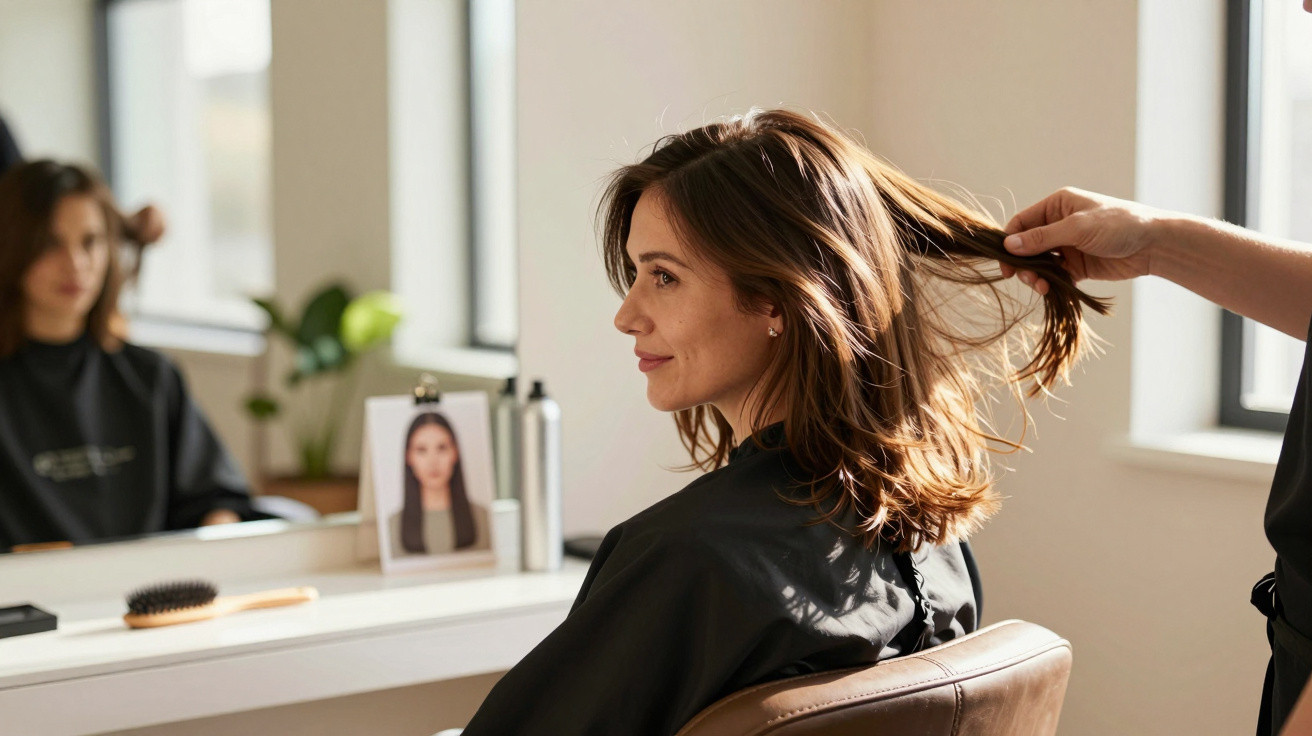
“We laughed, but inside it hit me. For years, I had alternated between a long bob and a blunt bob – stylish every time, ‘modern’ every time, yet somehow always the same. The photos on my phone looked like an endless loop. Other people changed jobs, cities and relationships. I only changed my variation of bob.
Then she showed me a picture: shoulder-length hair, textured, layered, with those soft, fluttering ends. ‘A medium-length Feather Cut. It will be THE look in 2026,’ she said. Younger, bolder, with more movement – but also ruthlessly revealing about every strand.
I realised this hairstyle forgives nothing. That was precisely what made it so exciting.
What makes the medium-length Feather Cut in 2026 so different
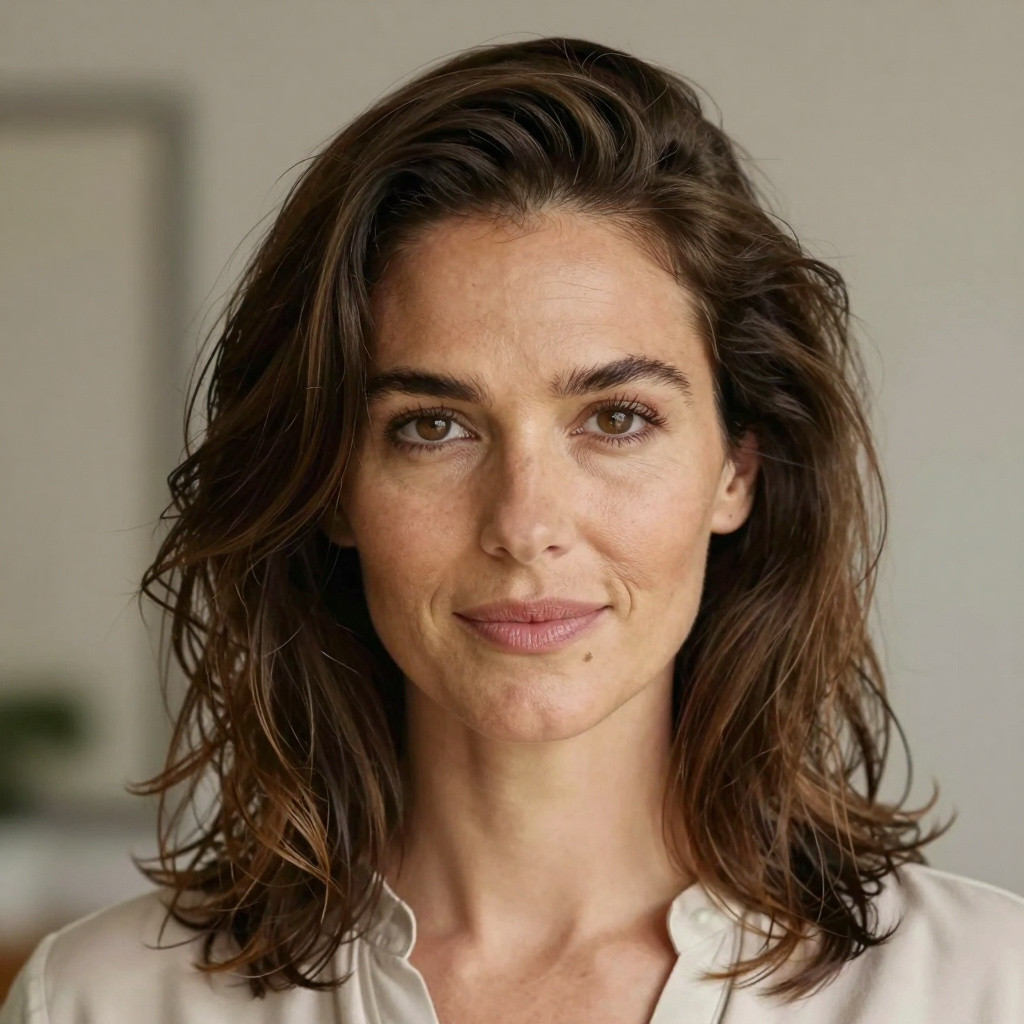
The new medium-length Feather Cut feels as though someone has dusted off the layered 1990s look and given it an edgy update. The hair falls roughly from the collarbone to just below the shoulders, while the ends are heavily textured to create a feathered effect. That is where the name Feather Cut comes from. Everything moves; nothing clings flat to the head.
Unlike a bob, there is no sharp finish. No solid horizontal line at the bottom and no geometric outline. Instead, there are subtle, soft layers that frame the face and make facial contours appear gentler. It is exactly the effect many people secretly want: to look younger without Botox, using nothing more than scissors.
Yet that airy quality comes at a price: every gap in the hair and every finer area becomes more noticeable. Many only realise this once they leave the salon.
A friend of mine in her early forties had a classic dark long bob. It always looked impeccably neat, but she regularly complained that it made her appear ‘so severe’. In January 2026, she went for a medium-length Feather Cut. The length stayed the same, but the entire feel changed. Suddenly, she looked as though she had enjoyed a two-week holiday and secretly shed five years.
The difference was that the soft layers around her face visually took away some of the harshness from her features. Her cheekbones stood out more, and her jawline looked less angular. At dinner, her daughter said very matter-of-factly: ‘Mum, you look somehow younger, but not so… done.’ That is exactly how many stylists describe it too: this cut can subtly disguise lines and tiredness by drawing the eye towards movement and shine rather than lines in the skin.
Later, she told me that three people at work had commented on her ‘new energy’ – no one mentioned the haircut directly, but everyone sensed the change. That is the quiet power of this look.
Why the Feather Cut can look youthful yet expose hair condition
Why does the Feather Cut create a rejuvenating effect while being so brutally honest about the condition of the hair? The main reason is its structure. Many bobs are cut with a compact shape, with the bulk of the hair sitting on one line. This creates fullness, even when the hair itself is fine. The Feather Cut, by contrast, uses textured ends and layered sections around the outline. This produces lightness, but removes the ‘camouflage layer’.
Visually, this is what happens: the eye notices movement and translucency, associating them with youthfulness and freshness. At the same time, thinner areas at the crown, temples or through the lengths can be more visible because no heavy mass lies over them. Anyone already dealing with hair loss or fine hair will notice it in the mirror immediately. That is the sober truth: this trend hairstyle does not create something from nothing; it amplifies what is already there. For better and for worse.
Stylists love this cut because it lets them shape faces much like make-up does. But they also know that for very fine, porous or brittle hair, the Feather Cut is a narrow line between a wow effect and ‘What has happened to my ends?’
If you are considering swapping your bob for the medium-length Feather Cut in 2026, you need a clear plan. The first step is to be honest with yourself. How dense is your hair really? Is it becoming thinner at the temples? Can you see more scalp in a ponytail than you used to?
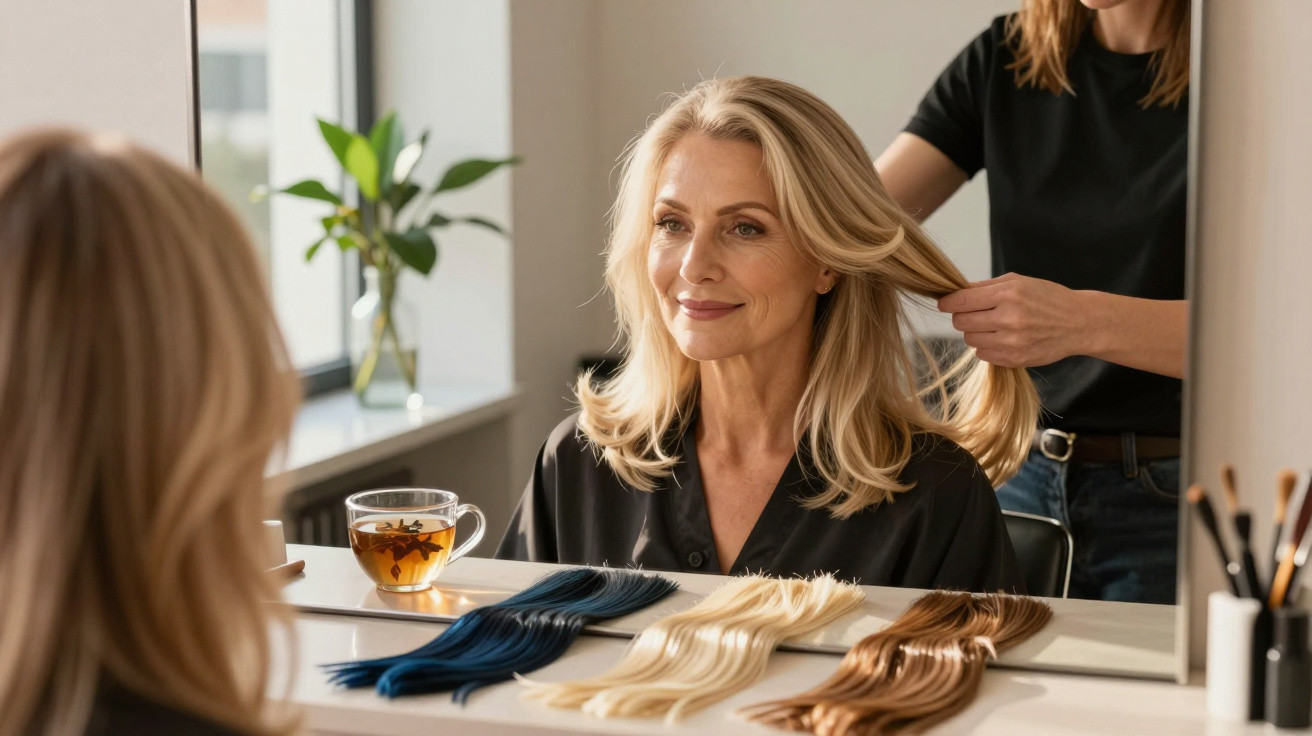
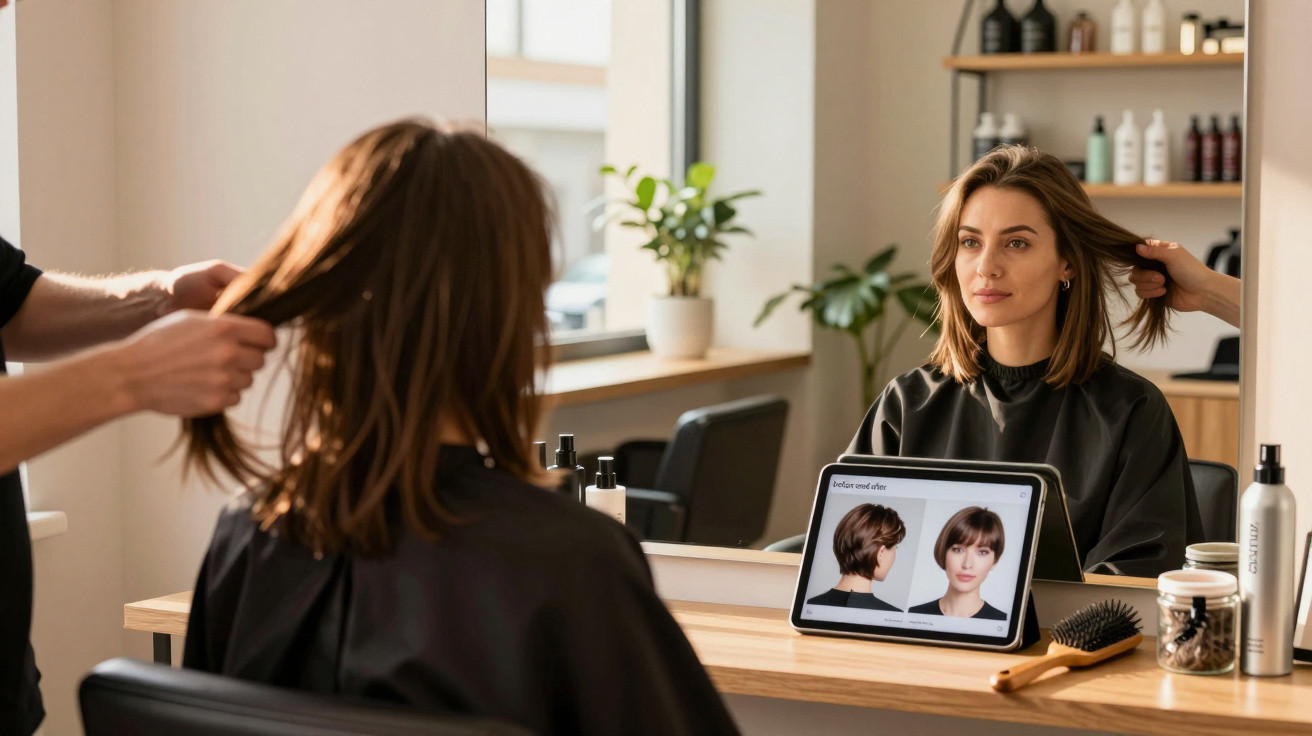
Take that self-assessment to the salon, and do not simply say, ‘Like Instagram, please.’ Say instead: ‘I want more movement and to look younger, but I am worried that my thinner areas will stand out more.’ A good professional will then place the layers more softly, thin the ends out less and shape the outline so your ‘problem areas’ are not the focus. The Feather Cut is not one-size-fits-all; it is a framework that can be adapted in many ways.
The ideal base length sits between the collarbone and the top of the décolletage. Any shorter can quickly look ‘feathery but thin’; any longer loses the distinctive effect and becomes simply ‘layers’ again.
Styling and maintenance for a medium-length Feather Cut
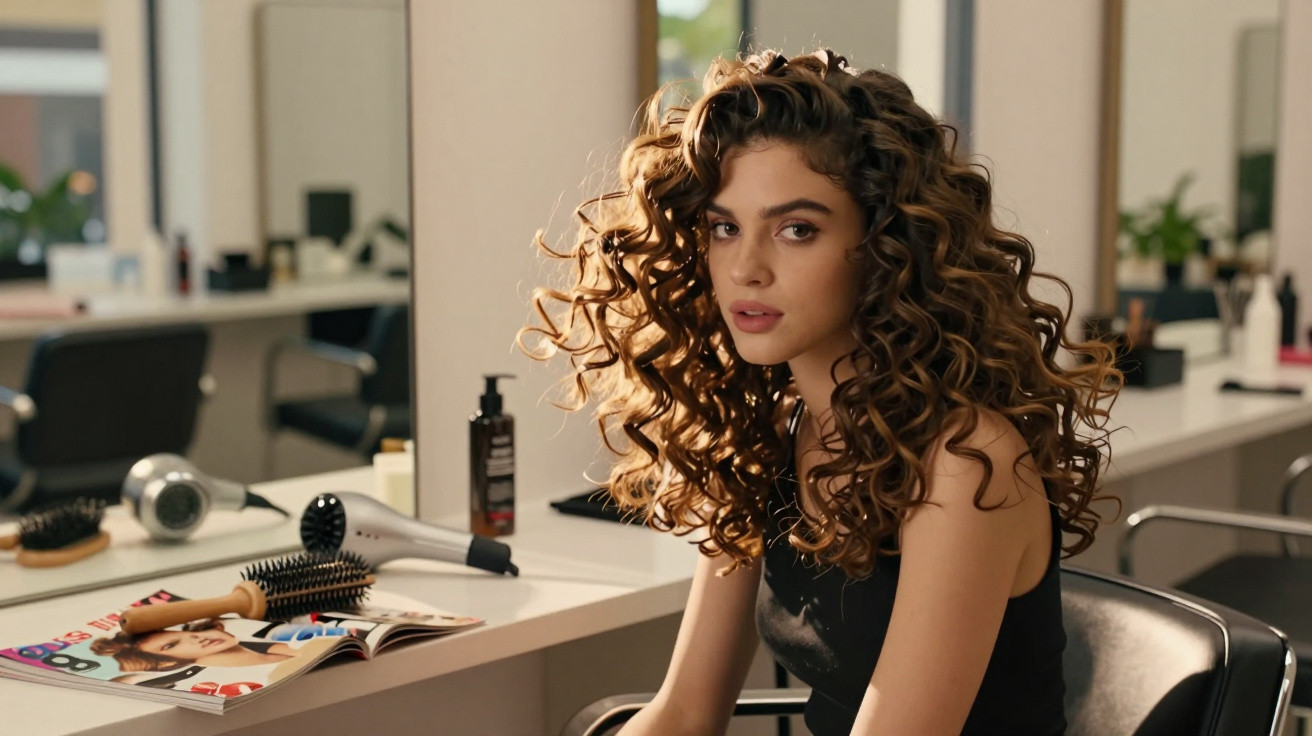
What many people underestimate is that the Feather Cut relies on styling – and that is often where the frustration begins. We all know the feeling: you leave the hairdresser with everything sitting perfectly. Two days later in the bathroom, it is different lighting and a different reality. Hairdryer in hand, time short and patience even shorter. Let us be honest: nobody carefully blow-dries every day with a round brush and heat protection while working a precisely measured amount of styling cream into the ends.
Without at least some styling, the Feather Cut can soon look ‘ragged’, almost as though the ends are simply damaged. This is particularly true of fine hair. If you then use too much smoothing balm or oil, the lightweight ends stick together, robbing the cut of its airiness. So use less product and more targeted tools. A hairdryer with a diffuser or a large round brush is often enough to suggest movement without spending half an hour in the bathroom.
Another classic mistake is letting the length grow out for too long. The Feather Cut needs regular check-ins; otherwise, it loses its shape and slips into the category of ‘undefined layers’. There is only one solution: have it trimmed again at least every 8–10 weeks. Yes, even if you had actually wanted to ‘grow it out a little’.
An experienced stylist recently put it rather bluntly:
‘The medium-length Feather Cut is like an honest mirror. It rejuvenates your face, but it never lies about the quality of your hair. Anyone trying to hide thinning hair will be startled. Anyone willing to work with it will fall in love.’
To help make sure you belong to the second group, a few basics that many hair professionals agree on can help:
- Gentle layers rather than radically thinned ends – especially for fine or weakened hair.
- Lightweight texturising products, such as volumising spray or mousse, only at the roots; never ‘drown’ the ends in them.
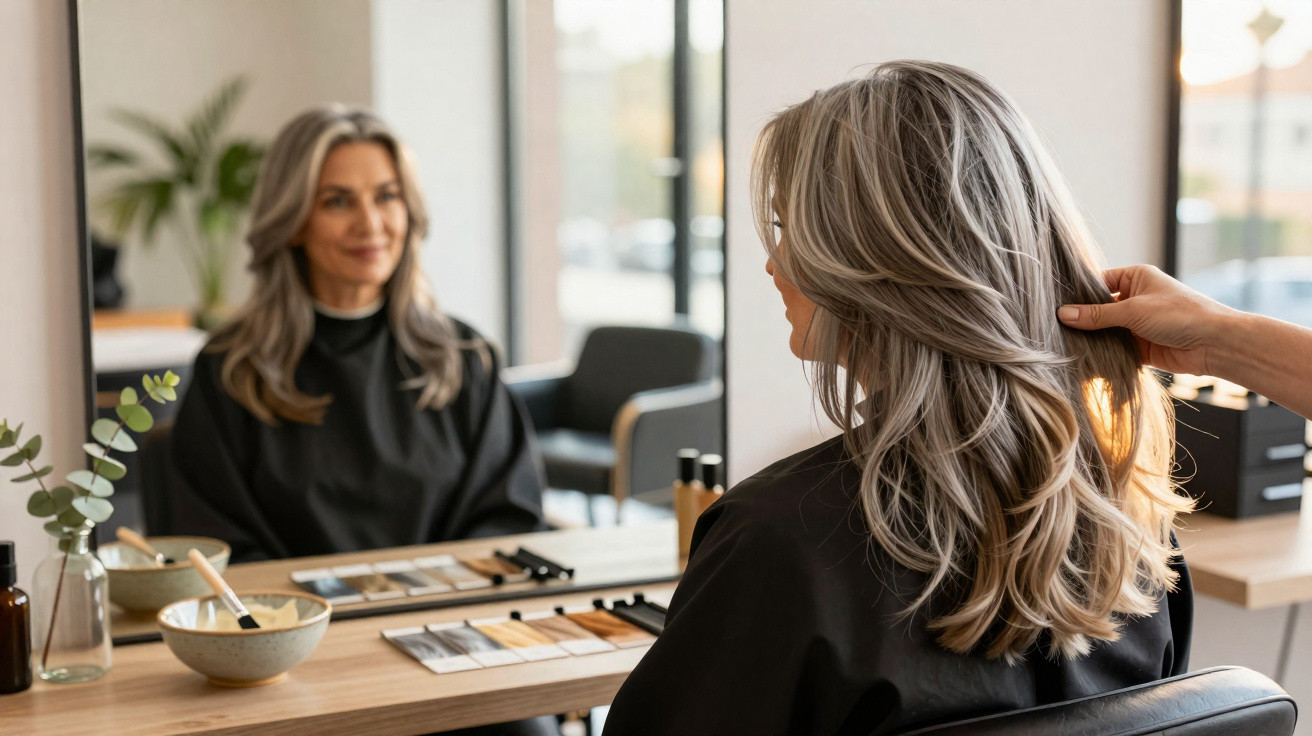
- Colouring with delicate highlights or babylights to create the appearance of density, rather than bleaching large sections blonde.
- Regular micro-trims to keep the ends ‘feathery’ rather than ragged-looking.
- Conditioning care at least twice a week, focused on the lengths and ends rather than only the roots.
It is interesting how differently women respond to the medium-length Feather Cut. Some feel as though they have had a fresh start: lighter, freer and slightly rebellious, leaving behind the perfect, sleek edges of a bob. Others are startled by the honesty with which this cut suddenly reveals everything they have spent years trying to conceal.
Ultimately, the question is not only: ‘Does it suit me?’ It is also: ‘Am I ready to see my real hair – with everything that comes with it?’ Anyone who can answer yes may find much more in this trend than simply a new hairstyle. Perhaps even a small piece of self-acceptance in the bathroom light.
| Key Point | Detail | Added Value for the Reader |
|---|---|---|
| Youthful effect | Soft layers and feathered ends frame the face and visually soften harshness | Understand why the cut can make you appear fresher and more dynamic |
| Risk for fine hair | Thinned lengths reveal sparse areas and remove ‘camouflage volume’ | Assess more realistically whether the Feather Cut will enhance or ‘expose’ your hair |
| Styling & care | Lightweight products, regular trims and layers tailored to your hair texture | Maintain a wearable everyday look rather than just a ‘hairdresser moment’ on day one |



Comments
No comments yet. Be the first to comment!
Leave a Comment