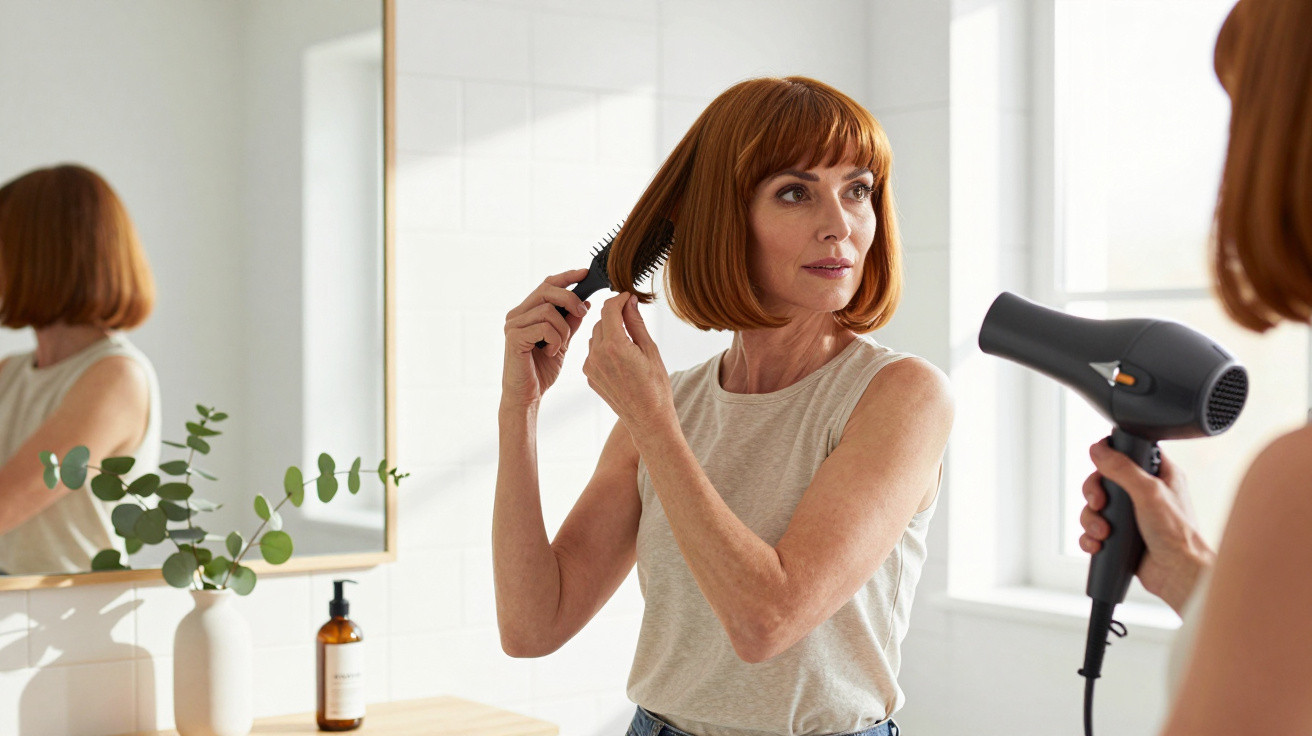
Soft volume, a touch of nostalgia and a shape that genuinely suits everyday life-not merely Instagram.
For women over 50, 2026 is reviving a recognisable shape: a 1960s-inspired bob that appears refined without being rigid, contemporary without trying too hard, and works well with grey hair, fine strands and a packed routine.
The 60s bob: why this retro cut feels relevant again
Trend forecasters had anticipated shorter, lighter styles for mature hair, yet few predicted such a clear reference to the Swinging Sixties. The standout look is the 60s bob, defined by softly outward-flicked ends and an airy, rounded crown.
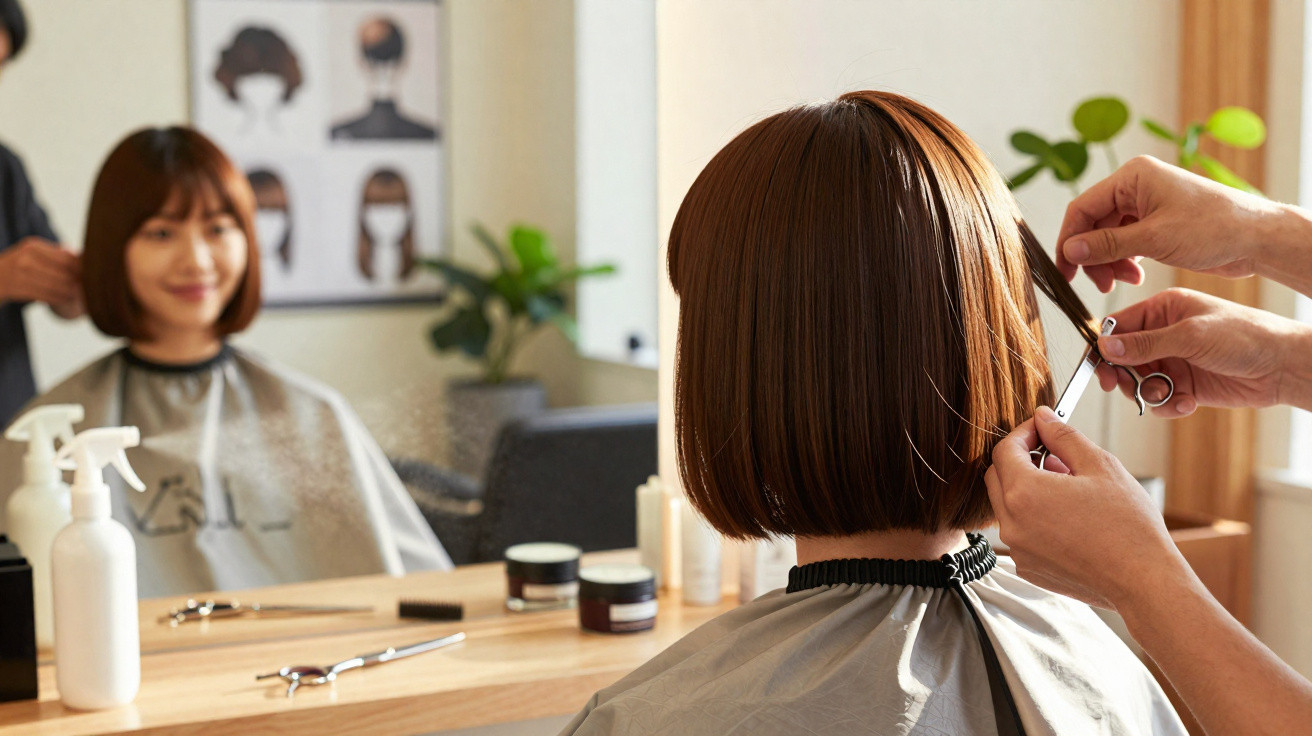
This bob keeps the classic, jaw-skimming shape, then softens it with outward-flipped tips and natural volume that flatters most faces.
In contrast to the glossy, ultra-precise bobs of recent years, the 2026 version has movement. Its ends turn outwards to deliver a discreet “mod” mood without becoming costume-like. The texture is more lightweight, the edges are gentler, and the overall effect suggests “French cinema” rather than a corporate boardroom.
That distinction matters for women over 50. With age, hair can become finer, drier or less full. A strict, poker-straight bob may draw attention to this. The 60s bob achieves the reverse: its curved form builds the appearance of fuller hair, creates movement around the jaw and gives the features a lift.
Why the 60s bob suits women over 50
Its appeal goes beyond nostalgia. This one style addresses several frequent hair concerns during midlife.
- Softens facial features: A rounded shape and outward-flicked ends direct attention outwards rather than down, giving the lower face a lighter appearance.
- Creates volume without weighty layers: Thoughtful shaping at the crown produces natural elevation, which is useful when hair has become less dense.
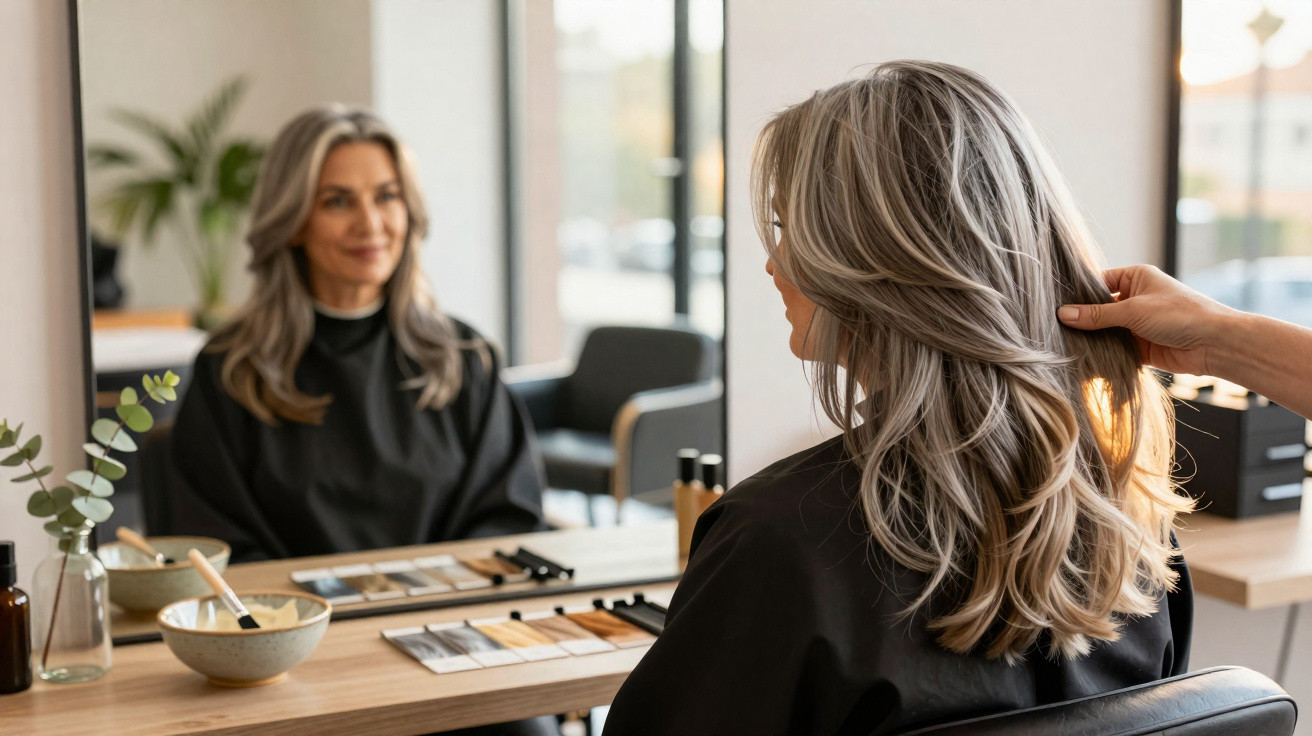
- Complements grey and highlighted hair: Outward movement brings out reflected light and dimensional, multi-tonal colour.
- Minimal effort, noticeable effect: It can look “done” with fairly little styling, making it suitable for everyday life.
The cut is structured enough to feel intentional, yet loose enough to wear with glasses, natural grey or minimal makeup.
This combination of polish and ease is a key reason hairdressers are recommending it to clients in their 50s, 60s and beyond. Rather than resisting the hair’s natural behaviour, the cut uses it to create shape and bounce.
How the 2026 60s bob refreshes a 1960s classic
The original 60s bob was frequently set heavily with hairspray, creating an almost helmet-like finish. The 2026 interpretation retains its outline while removing that rigidity.
Defining features of the modern 60s bob
| Element | 1960s version | 2026 version |
|---|---|---|
| Finish | Firmly set with plenty of hairspray | Soft, touchable and lightly held |
| Ends | Pronounced flicks that could look almost cartoon-like | A relaxed, gentle outward bend |
| Volume | Rigid, backcombed bouffant | Lift at the roots created with a round brush or light mousse |
| Layers | Largely blunt-cut | Discreet internal layers to encourage movement |
The length generally falls anywhere from the cheekbones to the collarbone, although many hairdressers suggest chin-to-jaw length for a fresher feel. Instead of being perfectly straight, the perimeter is often gently curved. This avoids a “helmet” result and is more forgiving of wavy or uneven hair.
Styling the 60s bob at home
A salon appointment establishes the shape, but at-home styling maintains it between visits. Fortunately, the method is simple and does not call for a drawer full of heated tools.
A step-by-step morning routine
- Towel-dry the hair, then work a lightweight volumising mousse or spray into the roots.
- Blow-dry with a medium round brush, lifting the roots upwards and slightly backwards.
- When you reach the ends, roll them away from the face to create a soft outward turn.
- For more definition, use straighteners on the ends: clamp gently, then rotate your wrist outwards as you slide off.
- Complete the style with a light veil of flexible hairspray or texturising spray, providing hold without stiffness.
The aim is a soft, airy curve, not a rigid flick. Think “breeze caught my hair”, not “Saturday night 1967”.
On days between washes, dry shampoo at the roots followed by a quick pass with a round brush will normally be enough to restore the shape.
Selecting the right style for your face and lifestyle
The broad term “60s bob” covers a selection of lengths and finishing details. Minor changes can make it feel individually tailored instead of generic.
Face shape and fringe options
- Round face: Choose a slightly longer bob that sits just beneath the chin, with greater height at the crown than at the sides.
- Square or angular face: Request softened ends and very subtle layers at the jaw to blur stronger lines.
- Oval face: Most lengths are suitable; a cheekbone-length option emphasises bone structure.
- Forehead concerns: A wispy fringe or curtain bangs create a 60s influence while balancing the shape.
Lifestyle is important as well. If you swim often or exercise every day, a collarbone-skimming option that can be secured with a small clip may be the more practical choice. For those who work on camera or attend frequent events, the shorter, crisper version has a more editorial and “styled” appearance.
How the 60s bob works with different hair types
The 60s bob takes on a different appearance with every texture, and this can be an advantage when embraced rather than fought.
- Fine hair: Gains the most from root lift and the rounded shape. A blunt outline with very limited layering helps strands look fuller.
- Thick hair: Requires internal thinning and may suit a longer length, preventing the silhouette from becoming overly wide.
- Wavy hair: Naturally provides the gentle movement this look needs, so the outward flick can remain very subtle.
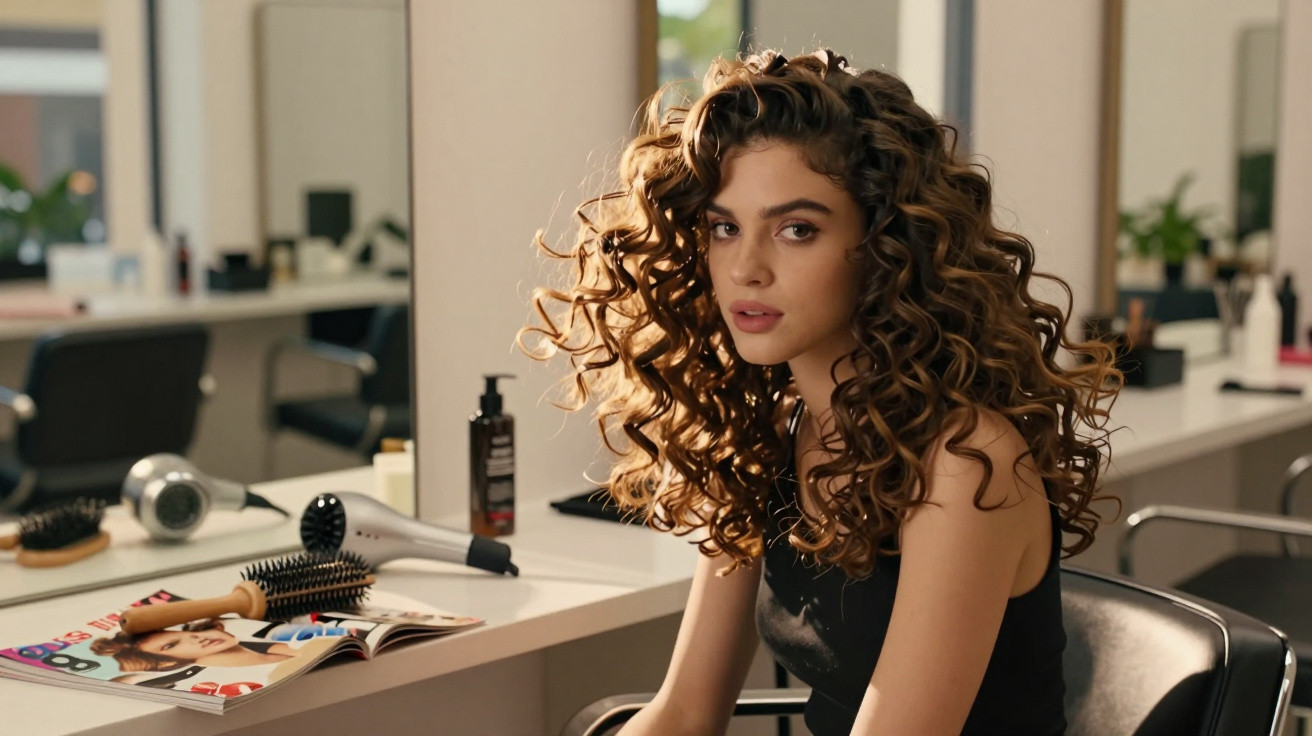
- Curly hair: Works best with an adapted approach: a curved bob with outward-facing curls rather than strict 60s flicks.
Grey and silver hair particularly suits this cut, as the flicked ends showcase shine and dimension.
Talking to your stylist: helpful terms and requests
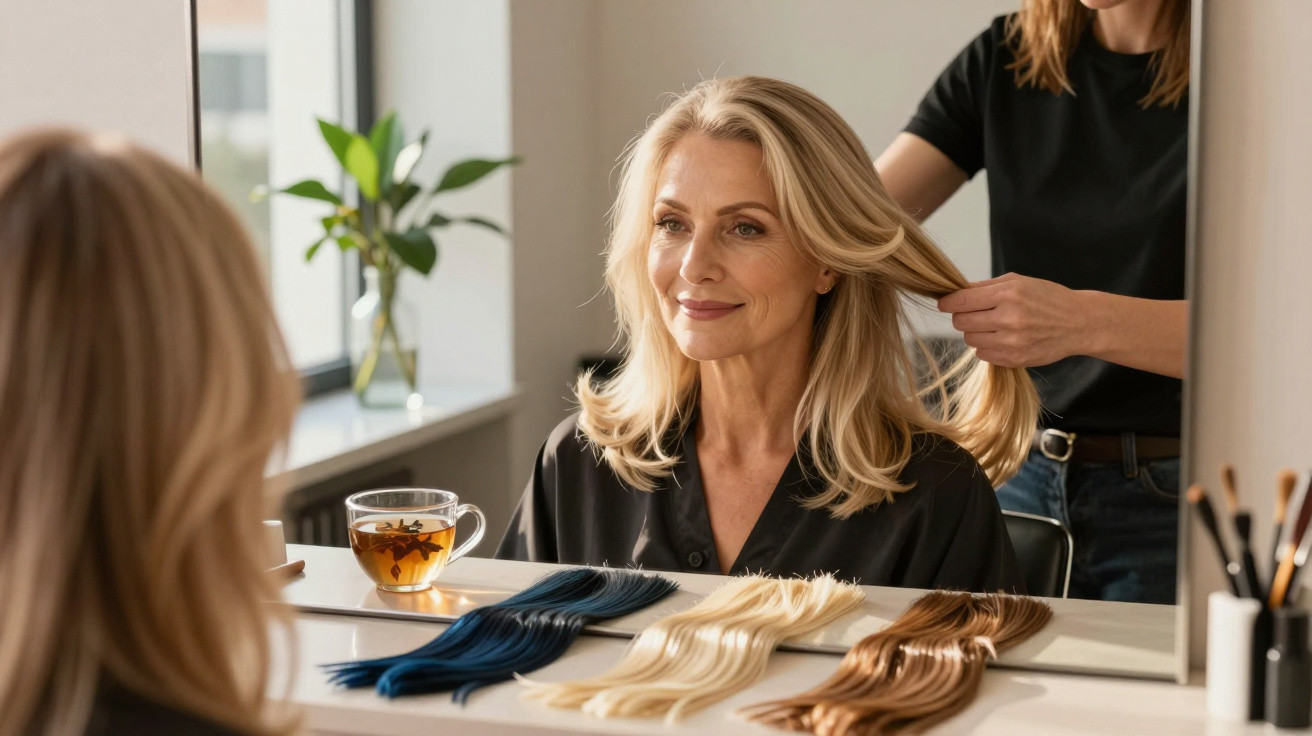
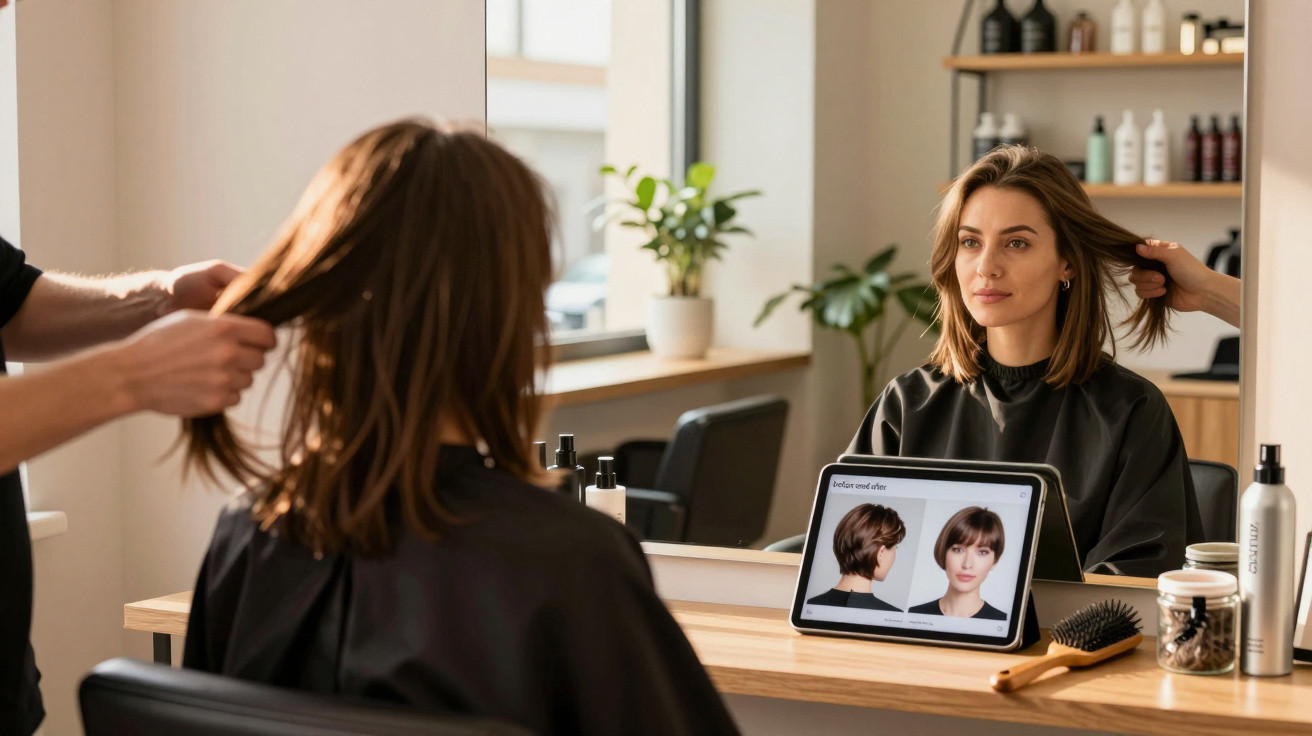
Salon consultations can quickly become unclear if the only reference is “I want something like the 60s”. A handful of specific requests can make a substantial difference.
Ask for a bob that:
- falls around the jawline or just below it
- has softly outward-turning ends rather than pin-straight ones
- incorporates light internal layering for movement, not visible steps
- retains sufficient density through the bottom to prevent a wispy, over-thinned finish
Bringing one or two reference photographs is useful, but explain that you want a modern finish using minimal product. This helps prevent the hairdresser from creating anything overly retro or heavily set.
Everyday ways to wear the 60s bob
During the week, this cut works particularly well with glasses, a bare face and a simple shirt because its outward curve adds immediate definition. For an evening out, curling the ends a little more and introducing a side part turns it into a softly glamorous style that references old films without appearing dated.
For anyone contemplating their first significant change after years of long hair, this bob can also serve as a “transition cut”. It takes away weight, refreshes the outline and frames the face, while retaining enough length to feel comfortable. If confidence increases, future appointments can gradually take the length shorter.
Potential drawbacks and ways to prevent them
The principal danger with any retro look is crossing into costume territory. Combining an excessively short cut, a very heavy fringe and strong hairspray can make the result look older rather than fresher.
Upkeep is also worth considering. Although styling is uncomplicated, trims are needed around every six to eight weeks so the ends continue to flick at the correct point. Leaving much longer gaps can result in an awkward neckline length that visually pulls the face downwards.
Handled with a light touch, the 60s bob becomes less about nostalgia and more about smart, face-framing architecture for hair after 50.




Comments
No comments yet. Be the first to comment!
Leave a Comment