
On red carpets, in campaigns and across Instagram, the same hairstyle has been appearing again and again in recent months: the short bob. Sometimes it is sleek and severe, sometimes soft with waves, but always sitting just above the shoulders – and often considerably shorter. Although it may look like a straightforward haircut, in 2026 it has become a clear celebrity style statement.
Why the short bob is suddenly everywhere
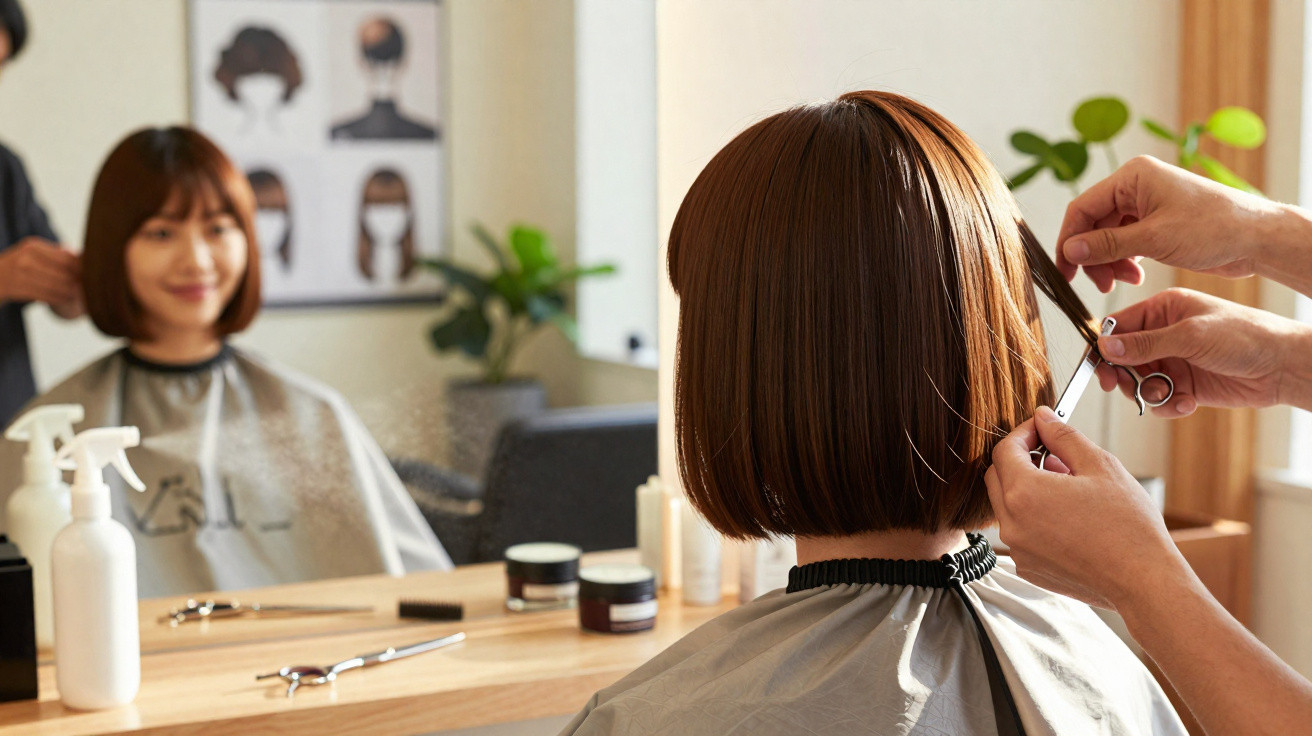
The bob is one of hairdressing’s enduring classics. What is new is how boldly many famous women are wearing it now. Rather than opting for a shoulder-length ‘safe bob’, they are choosing chin-grazing lengths, subtly shortened napes and sharply defined edges. The result instantly looks fresher, more contemporary and slightly more daring.
The short bob represents a fresh start, confidence and styling that fits into everyday life without any drama in 2026.
Stars including Zendaya, Margot Robbie and Demi Moore are making a statement with the style: moving away from endlessly long waves and towards a more defined silhouette. At the Sanremo festival, model Bianca Balti even wore an especially short interpretation that came close to a micro bob, prompting a flood of screenshots on social media.
A symbol of change without a complete image overhaul
For a long time, short hair was seen as a radical move. Shaved sidecuts, pixie cuts and platinum-blonde transformations may create instant headlines, but they can be difficult to maintain in daily life. The short bob sits neatly between those extremes.
It sends an unmistakable message: “I’m changing”, without looking like an entirely new identity. This matters greatly for celebrities who regularly need to appear in shoots, campaigns and at events. They want to refresh their image without being ‘pigeonholed’ by one role or a single red-carpet appearance.
The short bob says: New look, same character – simply clearer, more grown-up and more intentional.
It is also a cut that grows out well. Anyone who decides after a few months that they would rather have longer hair again will not face the seemingly endless in-between stage associated with an ultra-short pixie cut.
How versatile the short bob really is
The bob’s greatest strength is its adaptability. It can be tailored to a person’s face shape, hair texture and individual style. That is precisely why it appeals to so many high-profile women who need to switch easily between film premieres and private life.
The key variations at a glance
- Straight, graphic bob: Chin length, a crisp outline and usually a precise centre parting. It feels cool, elegant and highly fashion-focused.
- Soft wavy bob: Gentle waves, barely visible layers and often a side parting. Ideal for a natural, ‘French’ feel.
- Long bob just above the shoulder: The longest version among short bobs, perfect for anyone not ready to go straight to chin length.
- Micro bob: Clearly above the chin and sometimes almost at cheekbone height. Maximum impact with surprisingly little styling effort.
Every variation has one feature in common: its shape frames the face and draws attention to the eye area. For stars who are frequently wearing strong make-up or filmed in close-up, this can work like a built-in ‘beauty filter’.
Social media fuels the short bob hype
No new haircut goes unnoticed today. A backstage post, a selfie in a trailer or a Reel from the stylist’s chair can put a new bob into millions of feeds within moments. Fans then take those images to the salon, and the trend takes off.
Every new celebrity bob becomes a template, a reference image and therefore a shortcut to the next salon appointment.
Unlike extreme trending styles such as platinum-blonde buzz cuts or metre-long extensions, the short bob feels both familiar and fresh. It is ‘inspiring but achievable’ – a look people can genuinely recreate without arriving with a full styling team.
Everyday practicality: why the short bob is so useful
What is striking is how down-to-earth this trend actually is. Behind the glamorous images lies a very practical benefit: the short bob saves time.
| Aspect | Short bob | Long hair |
|---|---|---|
| Blow-drying | 10–15 minutes | 30 minutes or more |
| Styling options | Sleek, waves, polished, out-of-bed | Similar, but much more time-consuming |
| Care products | Fewer required, lower usage | More masks, more oils, higher costs |
| Bad-hair days | Often rescued with a few quick steps | Quickly becomes stringy or flat |
For people with thick or very long hair in particular, a dramatically shortened bob can feel liberating: less weight, less heat on the neck in summer and less frizz when it rains.
Would a short bob actually suit me?
The most common concern in the salon is: “It could never suit me that short.” Many stylists disagree, focusing on proportions rather than blanket rules. A carefully planned bob works with the jawline, cheekbones and neck length.
- Round faces: Choose a slightly longer, softly layered bob, preferably with a side parting rather than a severe centre parting.
- Oval faces: A fortunate match – almost every version works here, including a micro bob.
- Square faces: Soft waves, no overly sharp edges and perhaps subtly angled front sections.
- Heart-shaped faces: A gentle fringe or curtain bangs can balance a broader forehead.
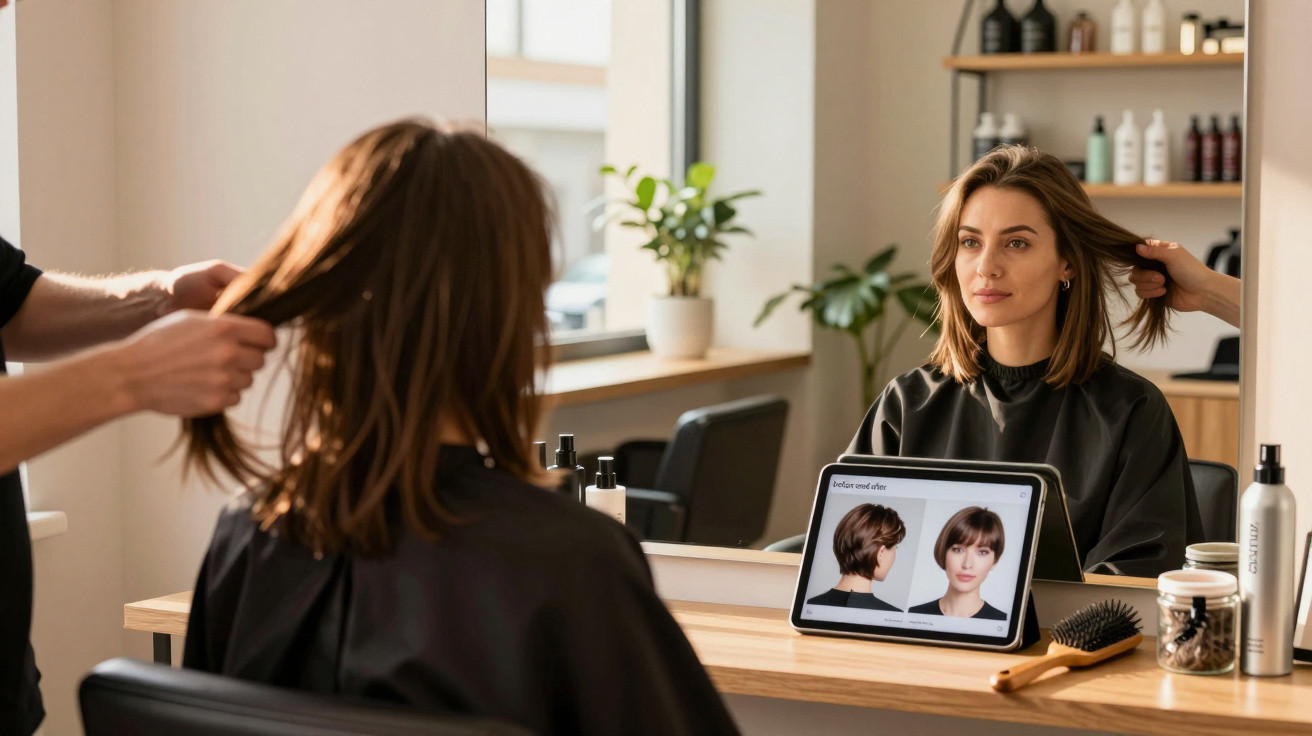
Fine-tuning is what matters. Many celebrity bobs look so ‘naturally perfect’ because they have been tailored precisely to the person, their face shape and their usual styling routine.
Care and styling: making the short bob an everyday look
For the cut to work well beyond its first fortnight, it needs a basic routine. That routine does not have to be complicated, however.
The essential elements
- Regular trims: Every six to eight weeks to keep the line clean.
- Lightweight products: Heavy oils and waxes can quickly weigh a bob down. Texture spray, light mousse and heat protection are better choices.
- Purposeful heat styling: A slim straightener or curling tong is sufficient, and a few sections are often enough to create the entire look.
- Root volume: A round brush or root-lifting spray adds shape without making the ends sticky.
Many of today’s most talked-about bobs rely on apparent effortlessness: the lengths look as though they have air-dried, when in reality the styling is often minimal but deliberate.
What to consider before the cut
Anyone considering moving from long hair to a bob should think through a few points before the scissors come out:
- How often am I willing to have it trimmed?
- How much time can I realistically spend on my hair in the morning?
- Do I often wear a ponytail or bun – and can I do without it?
- Which images do I genuinely like, and do they suit my hair texture?
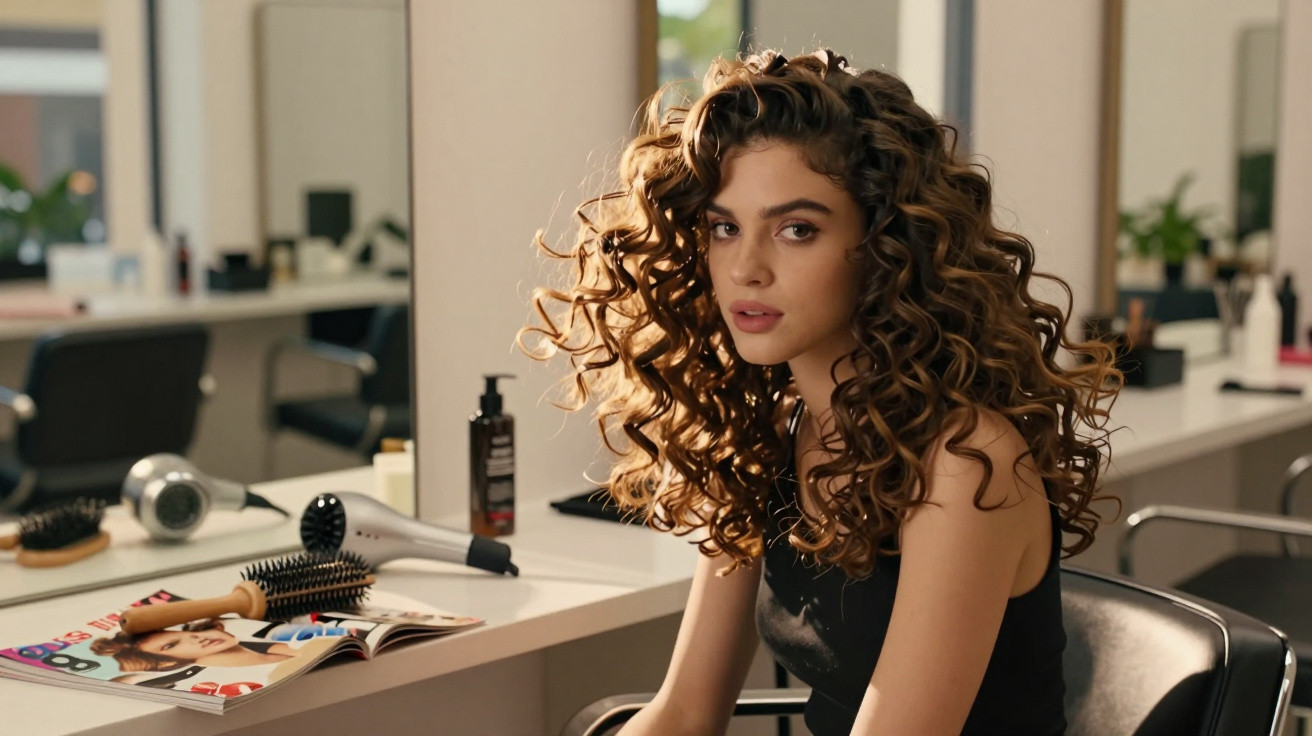
For very curly or particularly fine hair, it is especially worthwhile booking a consultation in which the hairdresser can discuss suitable options – for example, a slightly longer layered bob for curls instead of an overly compact outline.
Why the short bob will be more than a celebrity hype in 2026
Several developments are supporting this trend: the desire for simpler routines, social media’s influence and changing ideas of beauty. Perfectly blow-dried XXL lengths can quickly look overly manufactured. A precise yet not over-staged bob conveys both control and ease.
There is also a psychological element. A major haircut often marks a transition – a new year, a new job, a break-up or a move. The short bob is ideally suited to that moment because it delivers enough change without making someone feel they have to reinvent themselves completely.
Anyone who has held on to long hair for years can take a carefully planned first step with a bob. When in doubt, start with a longer version that sits just above the shoulders. If the effect feels right, it can be shortened gradually at the next appointment until the personal sweet spot is found – somewhere between the chin, collarbone and a clearer view in the mirror.





Comments
No comments yet. Be the first to comment!
Leave a Comment