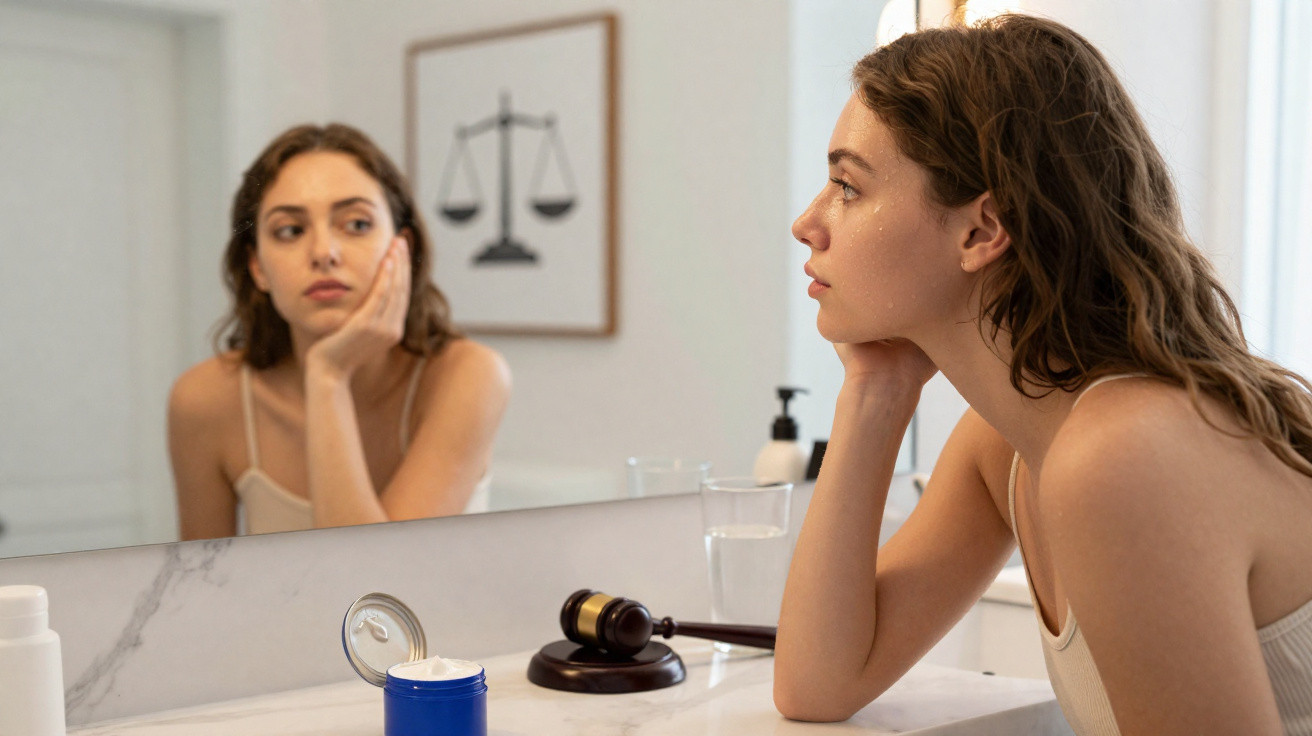
The courthouse security guard scarcely glanced up as I arrived bare-faced, carrying a small blue tin as though it were an exhibit. The left side of my face followed my normal routine: a low-key combination of pharmacy serums and SPF. The right side had received nothing but Nivea Creme - the iconic thick blue cream my grandmother trusted - faithfully applied for seven days.
I was attending a consumer hearing on cosmetic claims, yet my skin had become its own real-time test. Catching my reflection in a glass door, I nearly laughed. One half looked like me; the other appeared almost filtered: softer, more blurred and, admittedly, a little puffier.
The solicitor I was due to meet did not spot it immediately. Then, halfway through a sentence, she paused and narrowed her eyes.
“Wait. What’s going on with your face?”
That was when Nivea, unofficially, made its courtroom debut.
Nivea Creme on trial… on my own skin
The experiment began in the usual way for questionable ideas: late-night scrolling. I had gone down a rabbit hole of one-cream-only routines, loyal old-school Nivea users and before-and-after photographs that seemed almost implausibly impressive. With a week of legal hearings about beauty advertising already ahead of me, I decided to conduct a small trial of my own.
The left side of my face kept my usual multi-step regime. On the right, I used only blue Nivea Creme, morning and evening, its buttery thickness resisting every attempt to spread it. No serum, no sophisticated active ingredient - only that recognisable scent and familiar formula.
On day one, I felt faintly absurd. By day three, it had begun to feel like evidence.
During a coffee break on day two, a colleague leaned closer and frowned. “Did you sleep better?” she asked, gesturing vaguely towards my right cheek. “You look… sort of smoother here.”
She was right. The Nivea side seemed fuller, with the fine lines around my smile gently softened as if under a soft-focus lens. Its tone looked more even too, and it appeared less likely to flush as temperatures changed. There was a compromise, however: my pores seemed a little more “filled in”, more concealed than genuinely refined.
By day five, another type of observation started arriving. “You look glowy,” a friend said. Then, looking more closely at my jaw: “But why does only half your face glow?” At that point, the social side of the experiment became slightly uncomfortable.
Under the courthouse’s fluorescent lighting, the contrast looked almost scientific. The Nivea side retained moisture for hours, creating a dense, hydrated finish that appeared more youthful from a distance. At close range, the downside was clear: a touch of weightiness and the sense of a layer sitting on the skin, like a permanent night cream that never entirely absorbs.
The “verdict” delivered by my skin was unexpectedly subtle. Nivea was neither a miracle nor a villain. It was more like a powerful, slightly old-fashioned witness: reliable, comforting, but not entirely innocent.
While the judge challenged brands over extravagant promises in court, Nivea was quietly demonstrating something more awkward on my face: uncomplicated formulas can achieve quite a lot, simply not always in the way we expect.
How I used Nivea Creme - and what nobody tells you
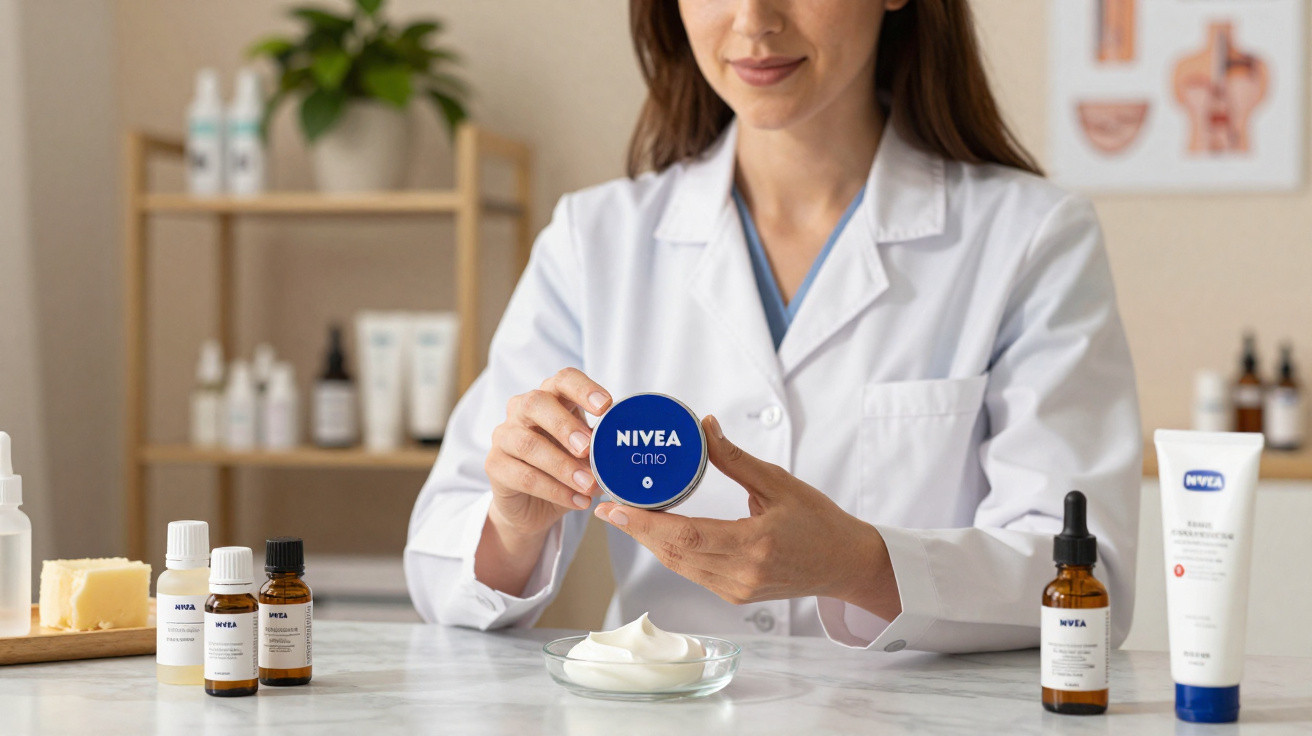
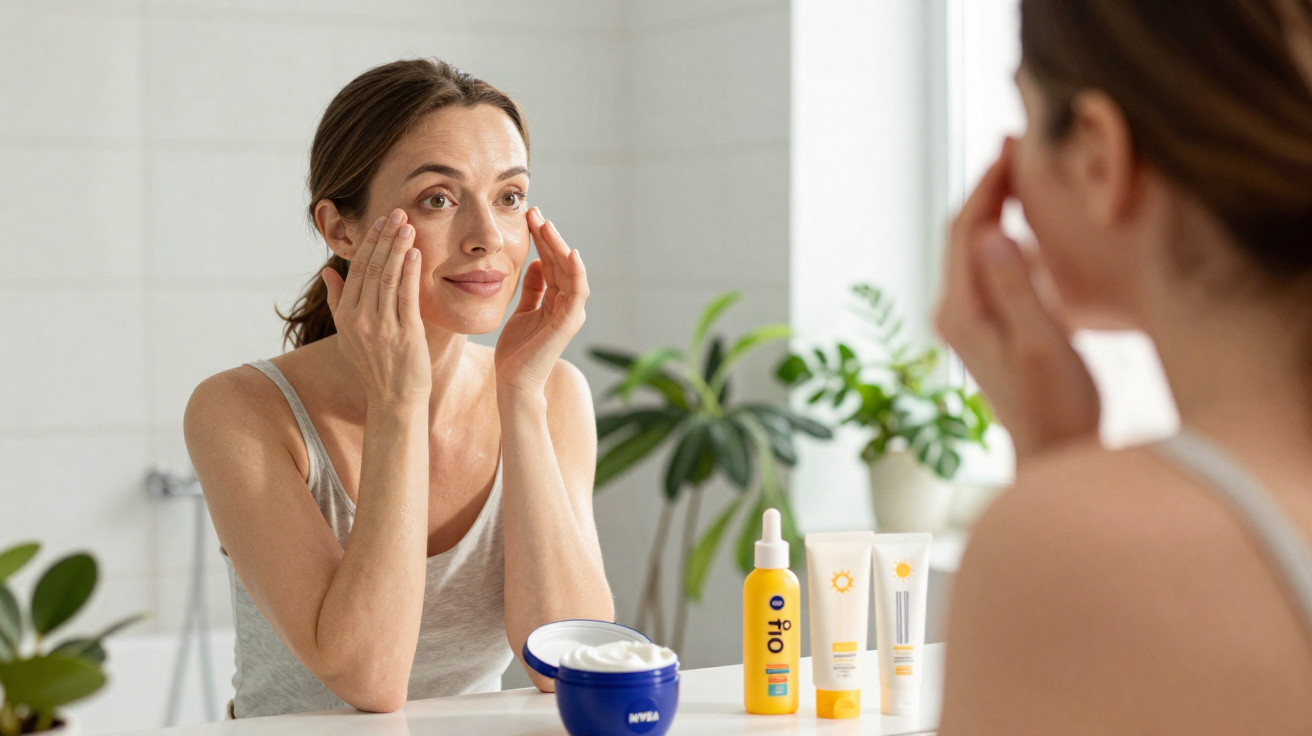
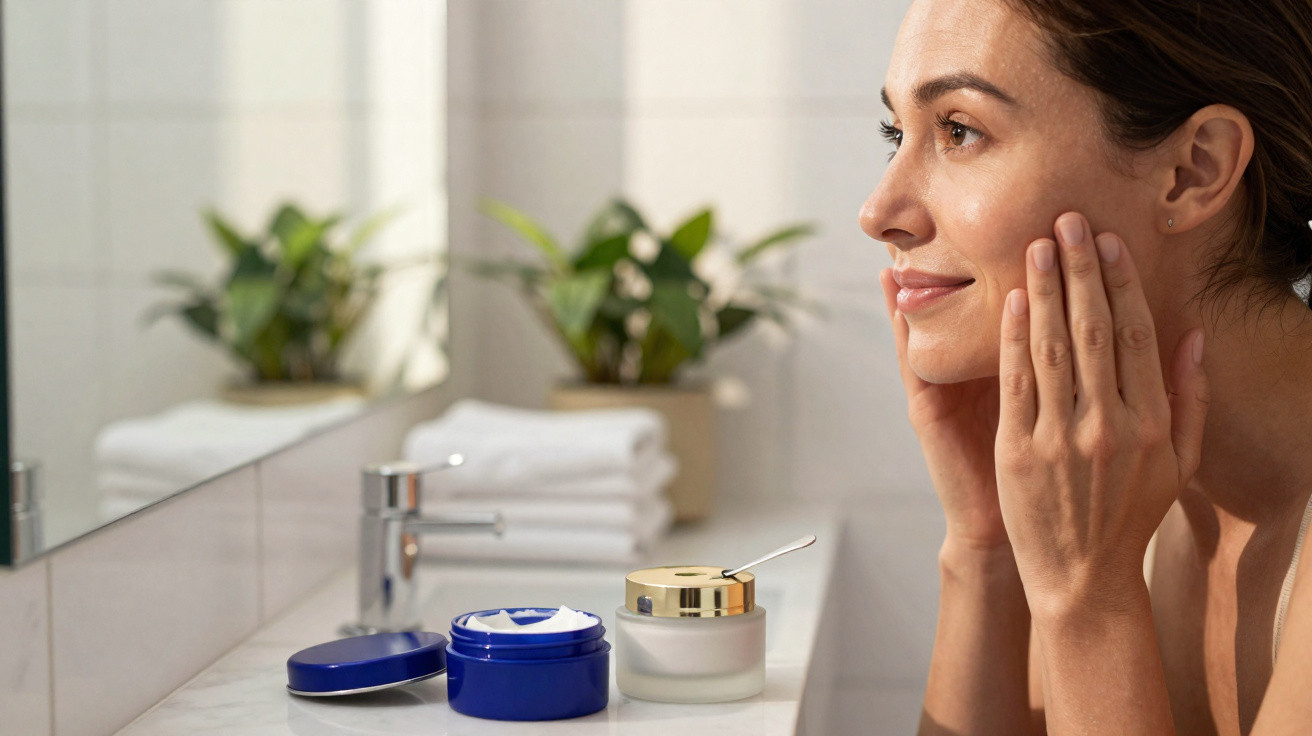
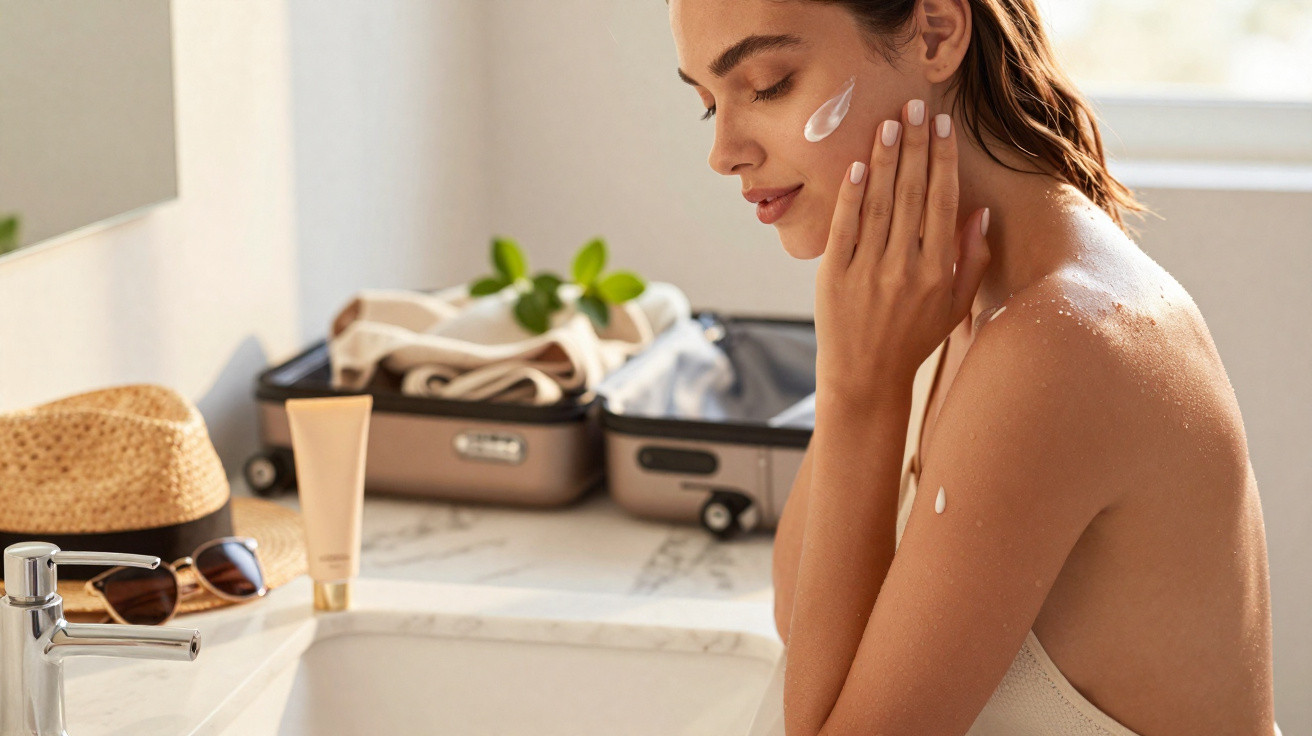
The experiment had one uncompromising rule: one week, one cream, no exceptions. On the Nivea side, I cleansed gently before applying a pea-sized amount, warming it between my fingertips until it became more pliable. I then pressed it over my cheek, jaw and forehead rather than pulling at the skin. Because the formula is dense and occlusive, I approached it as a balm rather than a lotion.
In the morning, omitting SPF felt almost irresponsible. I therefore applied sunscreen slowly over the top, as though negotiating peace between two products never intended to work together. At night, I used a slightly thicker layer - the type of “slugging” TikTok users praise without always calling it that.
By the third evening, my skin had stopped objecting. It seemed to settle into the new arrangement, as though it had accepted a new solicitor.
This is where heavy creams often go wrong for people: they are used as miracle fixes rather than tools. Smothering irritation, active breakouts or congested pores with a rich occlusive formula is like placing a blanket over a wet floor and expecting it to dry. It will not; it simply conceals the problem.
Most of us know that panicked moment of buying a “classic” cream and applying a thick coat in the hope of an overnight reset. The following morning, skin may be soft yet slightly smothered, leaving you unsure whether you have improved anything or merely delayed the issue.
Realistically, hardly anyone massages moisturiser in for two complete minutes every day. We rub it in hurriedly and head out. With Nivea, that quick application can make the difference between a glow and grease.
Some time between day four and day five, I began speaking with dermatologists for the legal case and mentioned my half-face experiment. One laughed, then became more serious.
“Classic Nivea is like a winter coat for your skin,” she told me. “If your skin is already balanced, it can feel too warm. But if your barrier is damaged, that coat suddenly feels like safety.”
To keep the assessment realistic, I noted down what I could see and feel:
- The Nivea side felt more cushioned, particularly around fine lines.
- Slight redness settled more quickly after showers and exposure to cold wind.
- Pores appeared less noticeable at a distance, but not “cleaner”.
- The finish could become waxy when I applied too much, especially across my T-zone.
- Make-up performed better over an extremely thin layer and worse over a thick one.
The cream was not changing my skin type. It was merely sealing in what was already present, for better or for a slightly sticky result.
The emotional verdict that is not on the label
At the end of the week, the court’s legal decision concerned marketing claims that I cannot discuss here. My skin’s decision was quieter, yet somehow more intimate. The Nivea side was visibly softer, particularly under dull office lighting, where every small line normally stands out. The side using my regular active ingredients looked more polished and more “managed”, though slightly less comforting.
As I cleansed my face on the final evening, I recognised something I had not expected: I had become a little fond of the blue tin. Not as a miracle product or a fantasy that one cream solves everything, but as skincare’s equivalent of a security blanket. It is a straightforward, weighty cream that does not promise the moon, yet can still give you a marginally better morning.
| Key point | Detail | Value for the reader |
|---|---|---|
| Skin effect is real but specific | Nivea plumps and softens by locking in moisture, not by acting like a high-tech anti-ageing treatment | Helps set realistic expectations and decide when this cream fits your routine |
| Application method changes everything | Thin, warmed layers and gentle pressing work far better than thick, rushed slathering | Reduces risk of greasiness and clogged-feeling skin, increases comfort and glow |
| Not a substitute for true skincare basics | Needs gentle cleansing and proper SPF; on its own, it’s a coat, not a full wardrobe | Prevents disappointment and helps you combine nostalgia products with modern skin knowledge |
FAQ:
Question 1 Can I use Nivea Creme on my face every day?
Yes, provided your skin tolerates it and you use thin layers. Those with very oily or acne-prone skin may prefer to apply it only to dry patches or use it at night.Question 2 Is Nivea Creme anti-ageing?
Not in the active-ingredient sense. It makes fine lines look softer by boosting moisture and forming an occlusive layer, which may temporarily reduce the visibility of wrinkles.Question 3 Can Nivea replace my whole skincare routine?
No. It is a rich moisturiser rather than a cleanser, serum or sunscreen. Consider it one stage of a routine, not the full routine.Question 4 Will Nivea clog my pores?
It may feel heavy for certain skin types. If you are prone to blackheads or breakouts, begin with a very small quantity on limited areas and monitor your skin’s response.Question 5 Is Nivea Creme better at night or in the morning?
Most people favour it at night, when its thicker, more occlusive texture can feel reassuring. In the morning, an exceptionally thin layer may work beneath make-up, particularly during colder months.



Comments
No comments yet. Be the first to comment!
Leave a Comment