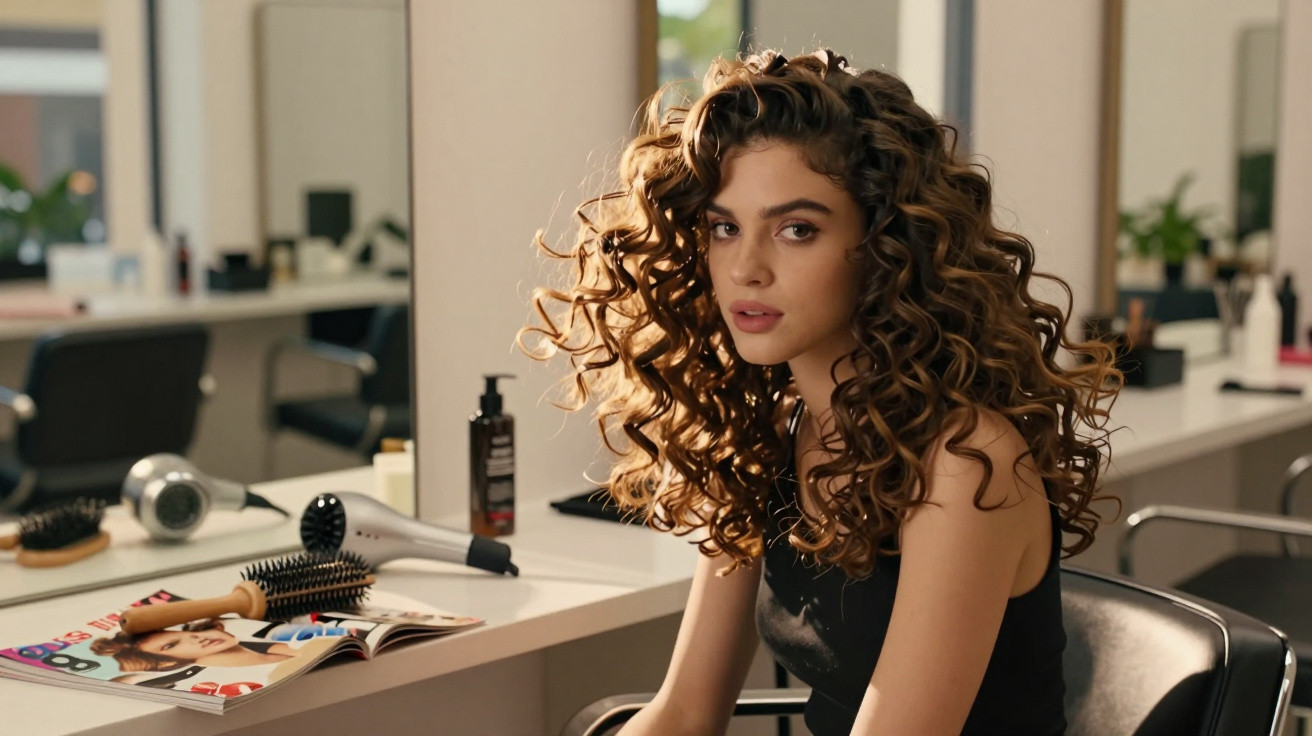
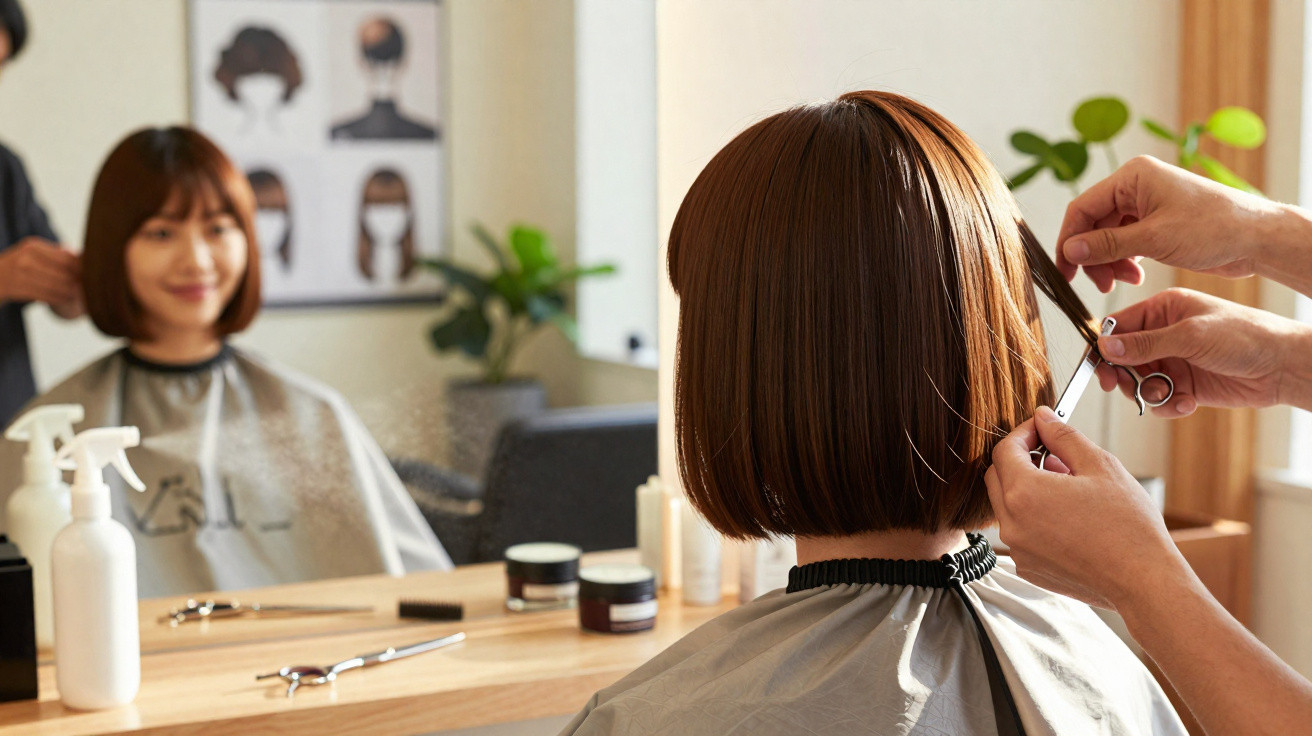
The woman in the salon chair looked truly baffled. “I don’t understand,” she said to her hairdresser, her fingers pressed into her roots. “I’ve used the same shampoo and loved it for years… but my hair is getting worse.”
Her stylist did not hesitate. Holding up the bottle as though it were evidence, she smiled and said: “That’s exactly the problem.”
Elsewhere, on another day, you may be looking at yourself in the mirror and trying to work out when your glossy hair became flat, greasy at the roots and dry through the ends. Nothing changed. The same shampoo. The same routine. The same dependable product.
Perhaps that is the subtle trap.
Why your “trusted” shampoo gradually works against you
Using the same shampoo initially feels reassuring. You find one with a scent you like, one that does not sting your eyes and leaves your hair looking respectable, and the search is over. You keep buying it automatically; the years pass, brands redesign their packaging, yet your bottle stays the same.
Then, without warning, you notice it. Your hair feels weighed down after washing. Your scalp becomes oily sooner. The ends appear coarse, despite no change to your colour or routine. You may blame ageing, hormones, stress or the universe. We rarely blame the product we trust most.
On a packed morning train, look around at people scrolling on their phones: glossy hair adverts, polished influencers and an endless stream of “must-have” products. Yet many would admit that they have used the very same shampoo for three, five or even ten years.
Hairdressers encounter this constantly. A client settles into the chair, insisting their hair “just stopped behaving”. When a stylist runs water through it, they can feel a waxy layer, almost like cling film covering every strand. It is residue from silicones, oils, styling sprays and hard-water minerals, accumulating layer by layer and month by month. You can almost imagine the hair sighing beneath the weight.
There is some quiet science behind this irritation. Many standard shampoos are formulated to make hair immediately feel silky and smooth. They can therefore contain conditioning ingredients, silicones, polymers, fragrance and, at times, rich oils. In the beginning, they feel brilliant: they smooth rough areas, help strands slide between your fingers and create that artificial “swish” for several weeks.
But eventually, the buildup begins. These ingredients do not always wash away completely, particularly if you rely on dry shampoo, leave-in products or hairspray, or live in an area with hard water. A gentle everyday shampoo can no longer break through those layers. You start washing more frequently, scrubbing more vigorously and buying heavier conditioners. Without realising it, you intensify the cycle.
What a monthly clarifying wash really does for your hair
A clarifying shampoo is, in effect, a reset button in a bottle. Think of it as a deep cleanse for your scalp and hair, much like spring-cleaning a kitchen that has gradually collected grease. Replacing your usual shampoo with a clarifying version once or twice a month helps dissolve product residue, pollution particles and hard-water mineral deposits.
The first use can feel unusual. Your hair may seem lighter, squeakier and almost excessively clean. That is intentional: the wash removes the unseen coating that has been dulling your natural texture and shine. Your curls may suddenly regain their bounce. Your roots can lift again. Your regular conditioner can finally sink in, rather than slipping over a coated surface.
One rainy Tuesday, a young man arrived at a small London salon clutching a supermarket anti-dandruff shampoo. He said his scalp “always itched” and that his hair never looked fresh, regardless of how intensely he scrubbed. The stylist did not try to sell him an expensive miracle treatment. Instead, she changed his routine to one clarifying wash every three weeks, alongside a gentler, non-medicated shampoo for the rest of the time.
Three months later, he returned. He had the same haircut and the same understated manner, but his scalp was calmer and his hair noticeably shinier. He had also reduced his wash days from five each week to three. It was not magic; it was simply a fresh start that allowed his scalp to rebalance. We have all experienced the moment when one small change in a routine unexpectedly transforms everything.
Behind the marketing, clarifying shampoos work in a straightforward, almost unexciting way. They contain more powerful cleansing agents, such as certain sulphates or chelating ingredients, which bind to oils, silicones and minerals more effectively than regular shampoos. That does not make them harsh torture devices. When used once a month, they are more like a detox day than a punishment.
Here is what changes quietly: your scalp can breathe. Hair follicles are no longer smothered beneath residue. Your natural sebum production can rebalance. The dull, matte coating along your lengths is lifted, allowing light to reflect from the strands again. The major mistake is not using a “bad” shampoo; it is never allowing your hair the opportunity to begin again from zero.
How to reset your hair in practice without damaging it
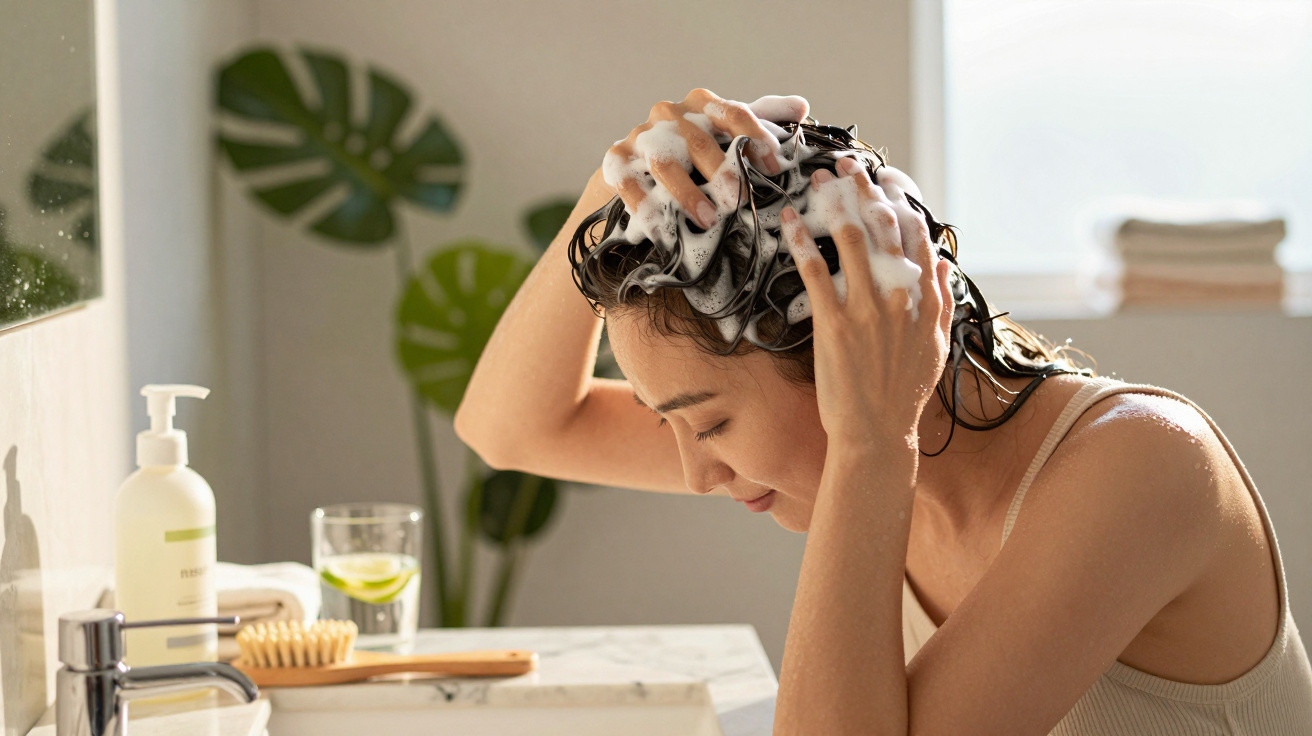
The approach is straightforward: pick one day each month as your “reset wash”. On that day, replace your normal shampoo with a clarifying shampoo. Soak your hair thoroughly, then work the shampoo into a lather mainly at the roots and over the scalp. As you rinse, allow the foam to travel through the lengths instead of scrubbing the ends as if they were a washing-up sponge.
Rinse using water that is slightly cooler than normal. This small adjustment can help the cuticles sit more smoothly, rather than feeling like frayed rope. Follow with a nourishing yet lightweight conditioner or mask, applying it from the mid-lengths to the ends. You are not punishing your hair; you are clearing the surface so your hydrating products can finally work as intended.
This is where many people get it wrong: they either treat clarifying shampoo like a daily shower gel or feel too nervous to use it at all. Both approaches can cause problems. For most scalps, once a month is a sensible starting point. If you regularly swim in chlorinated pools, use heavy styling products every day or live in a hard-water area, you could increase this to once every two weeks.
Let us be honest: nobody genuinely does this every day. Most of us stumble into the shower half-awake and reach for the familiar bottle out of habit. Being kind to yourself means accepting that a monthly ritual is already a meaningful change. There is no need to turn your bathroom into a laboratory; simply stay consistent with this one reset.
There is also an emotional element that people seldom discuss: the strange combination of guilt and relief when you finally accept that your “holy grail” shampoo is no longer working for you. Habits feel secure, even when they are quietly causing problems.
“Your hair doesn’t suddenly go wrong. It whispers for months before it starts screaming,” a colourist in Paris told me, towel around her shoulders, mixing bleach like a surgeon.
To make it simpler, keep this quick mental checklist in mind:
- Does your hair feel greasy one day after washing? It may be time for a clarifying wash.
- Do styling products appear to “sit” on the surface instead of absorbing? Consider it a buildup warning.
- Have your curls lost definition, or do your waves look limp and stringy? You may be coated rather than damaged.
- Does your scalp itch, but the flakes do not resemble typical dandruff? Residue may be responsible.
- Does your once-brilliant shampoo suddenly seem “meh”? Your loyalty might need a reset.
Let your hair breathe and give yourself permission to change
There is something unexpectedly liberating about understanding that you do not owe your shampoo any loyalty. Products are not relationships; they are tools. Your scalp changes with the seasons, hormones, stress, pollution and water quality. Expecting one formula to work perfectly for a decade is like wearing the same coat in every type of weather, then wondering why you are either shivering or overheating.
A monthly clarifying wash is less about following a trend and more about listening to what your hair has been trying to tell you. Perhaps your roots need lighter formulas. Perhaps your curls need hydration without a plastic-like coating. Perhaps your fine hair needs volume rather than more oil. When you remove the buildup, you remove the excuses as well.
Some people see small, almost personal changes once they commit to a reset routine. Their scalp no longer tingles after exercise. Their hair dries naturally in half the time. Colour appointments can be spaced out a little more because shades fade less dramatically when the cuticle is not clogged.
And something else changes quietly: the way they view the line of bottles in the shower. There is less blind faith and more curiosity. Less “this is what I have always used”, and more “what does my hair need right now, this month, in this season of life?” There is no dramatic before-and-after video, only the subtle confidence of hair that finally feels suited to the person wearing it.
| Key point | Detail | Why it matters to the reader |
|---|---|---|
| Changing your routine | Using the same formula for years encourages the accumulation of residue | Understand why hair can “change” suddenly |
| Monthly clarifying wash | A clarifying shampoo once a month resets the scalp and lengths | Restore volume, shine and lightness without replacing everything |
| Listening to the signs | Quick oiliness, heavy roots and limp curls are signs of excess buildup | Adjust your routine before problems take hold |













Comments
No comments yet. Be the first to comment!
Leave a Comment