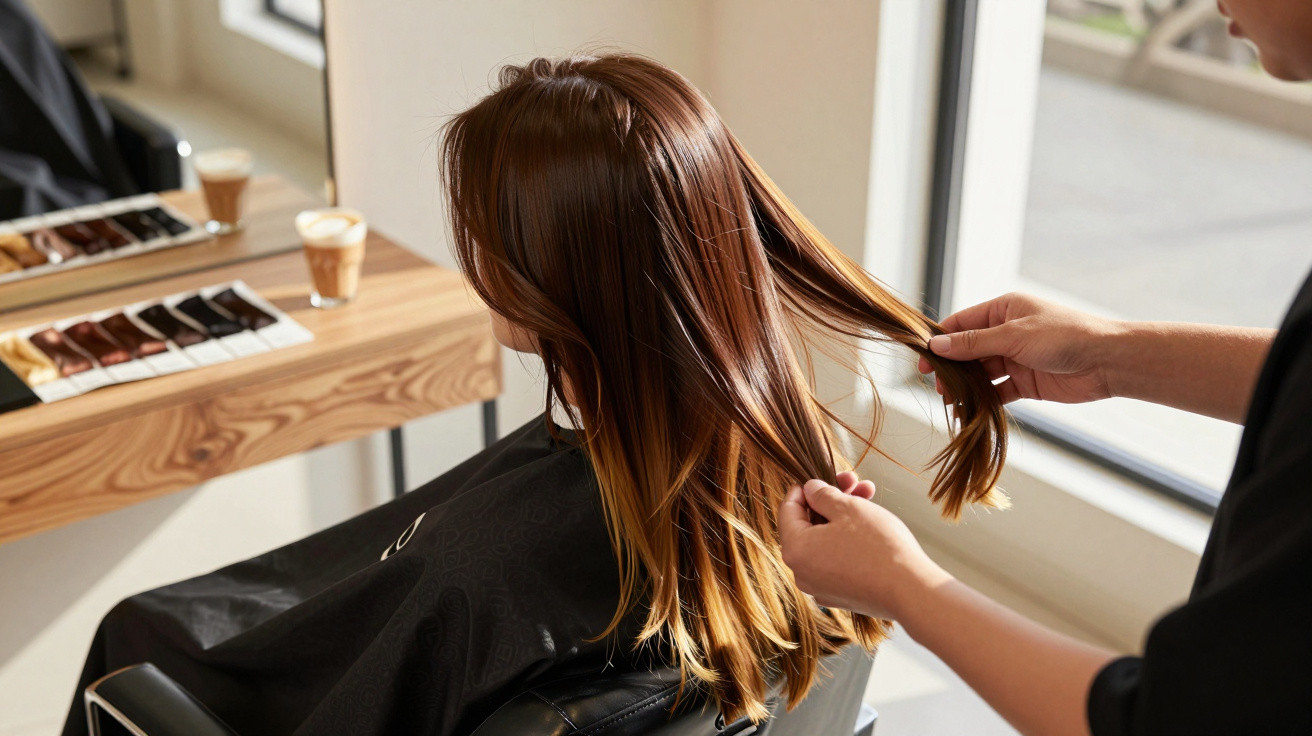
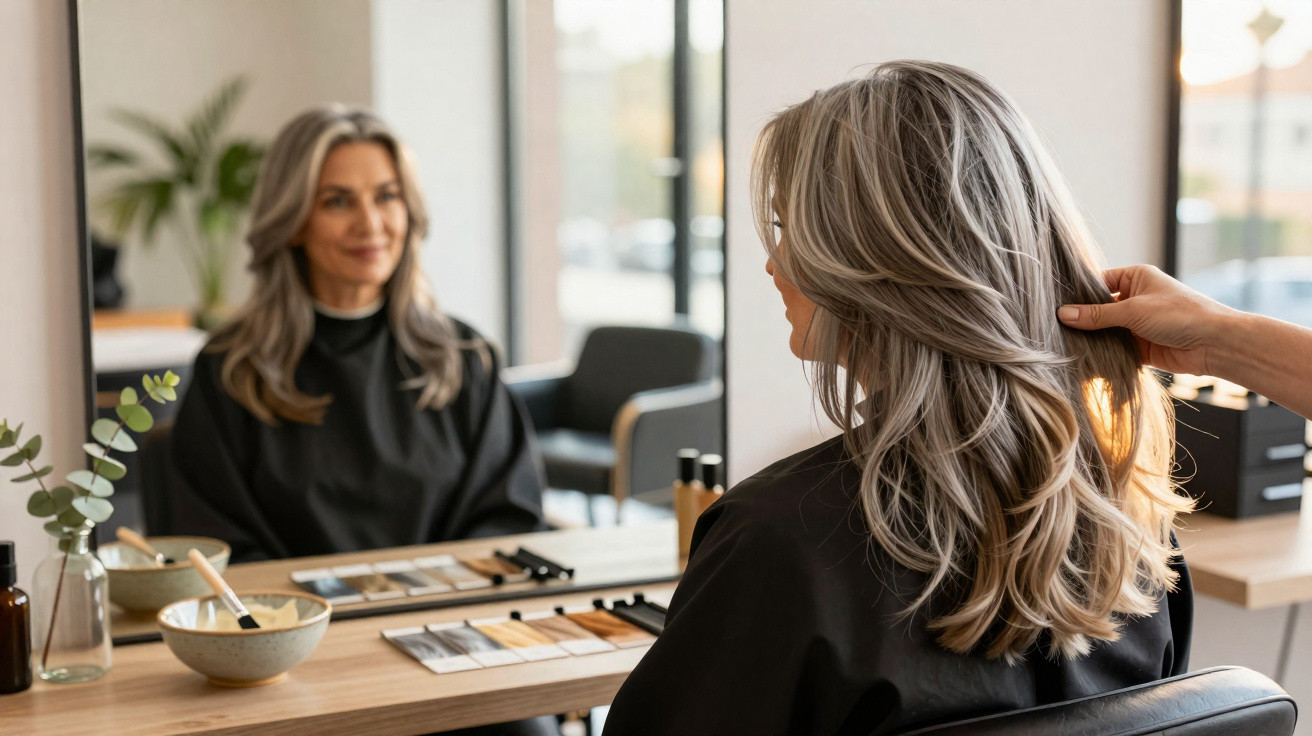
Saturday afternoon, salon lights, and three women arrive one after another clutching the same image: a blurred 2021 Pinterest “bronde”. The colourist offers a polite smile, though her expression gives her away. She has had enough of beige. Beyond the window, the street is a wash of cold grey and glass; indoors, every head turning away from the mirrors shares one quality: depth. Gloss. The costly-looking softness that only rich brown hair delivers.
Bronde now feels rather like skinny jeans: it has not disappeared, but it is no longer the star. On TikTok and behind the scenes at fashion shows, colourists talk about “molten chocolate” and “cocoa shine” as though passing on a secret recipe.
The latest hair obsession is brown, though not the flat shade found in a supermarket box. Imagine every possible tone of chocolate.
Why chocolate hair is replacing bronde in 2026
Walk into a fashionable salon today and one thing is obvious: blonde foils are giving way to bowls filled with glossy, syrup-like brown colour. It may be quieter than a platinum overhaul, but the transformation can be every bit as striking. Features look softer. Complexions appear more even. Eyes stand out as if someone has increased the saturation.
Bronde enjoyed its era of gentle, sunlit radiance. Now, chocolate hair color offers what many of us want more: comfort, richness and regrowth without the drama. Think less California beach filter and more Paris café at 5 p.m.
A quick scroll confirms it. Actresses are trading cool balayage for “truffle brunette”, influencers are declaring their “chocolate era”, and even committed bleach lovers are going back to brown. Colourists say rich brunette looks accounted for most of their transformation appointments this winter. One Paris colourist told me that four out of five major makeovers she currently creates are some form of chocolate.
We know the feeling: your blonde money-piece begins to resemble a dry straw curtain rather than a fresh glow-up. Chocolate is its opposite - forgiving, glossy and almost ego-nourishing.
There is sound reasoning behind the shift. After years of demanding colour upkeep and never-ending toning appointments, people want hair that appears expensive without becoming a second job. Brown pigments interact with light differently from blonde, reflecting a gentler, glossier sheen that looks “healthy” even on phone cameras.
Where bronde can occasionally drain some complexions, chocolate tones can be finely personalised. Add a trace of gold for warmer skin, espresso for cooler undertones, or red for olive complexions. Bronde was a vibe. Chocolate is a wardrobe.
The most beautiful chocolate shades to ask for in 2026
In 2026, the trick is not entering the salon and asking for “Just brown, please.” Bring descriptive taste words rather than technical terminology. Tell your colourist: “I want something like 70% dark chocolate, 30% milk,” or “I want my hair to look like iced mocha under daylight.” This type of language opens up possibilities immediately.
For a widely flattering choice, consider “glossy milk chocolate” with extremely soft, almost undetectable highlights around the face. It maintains root depth while allowing the lengths to catch the light, like natural sunshine but more refined.
If you have been very blonde and worry about becoming “too dark”, opt for “chocolate syrup balayage”. The roots remain close to your natural colour, while flowing ribbons of mid-chocolate are painted through the mid-lengths and ends. The overall effect is brunette, but it still has movement and dimension.
One client I met at a London salon had been platinum for eight years. She left with a “hazelnut chocolate melt”: her roots remained soft beige before gradually melting into deeper cocoa towards the ends. A week later, she messaged her colourist to say strangers were asking about her skincare; nothing had altered except her hair.
For those who prefer something bolder, “black cocoa” is the new near-black. It has more richness than shop-bought black, with discreet warm or cool reflects preventing it from appearing flat. At the gentler end, “cinnamon brownie” is everywhere: a deep brown foundation scattered with diffused cinnamon and caramel lights, visible only when sunlight catches them.
There is also growing enthusiasm for “mousse au chocolat”: an airy, fluffy brown made with a translucent glaze and no heavy lines. It is perfect if you want a tint of chocolate without a dramatic leap. The names may resemble a dessert menu, but for good reason: they convey texture, depth, and shine to a stylist far more clearly than shade numbers ever can.
How to talk to your stylist (and avoid flat, sad brown)
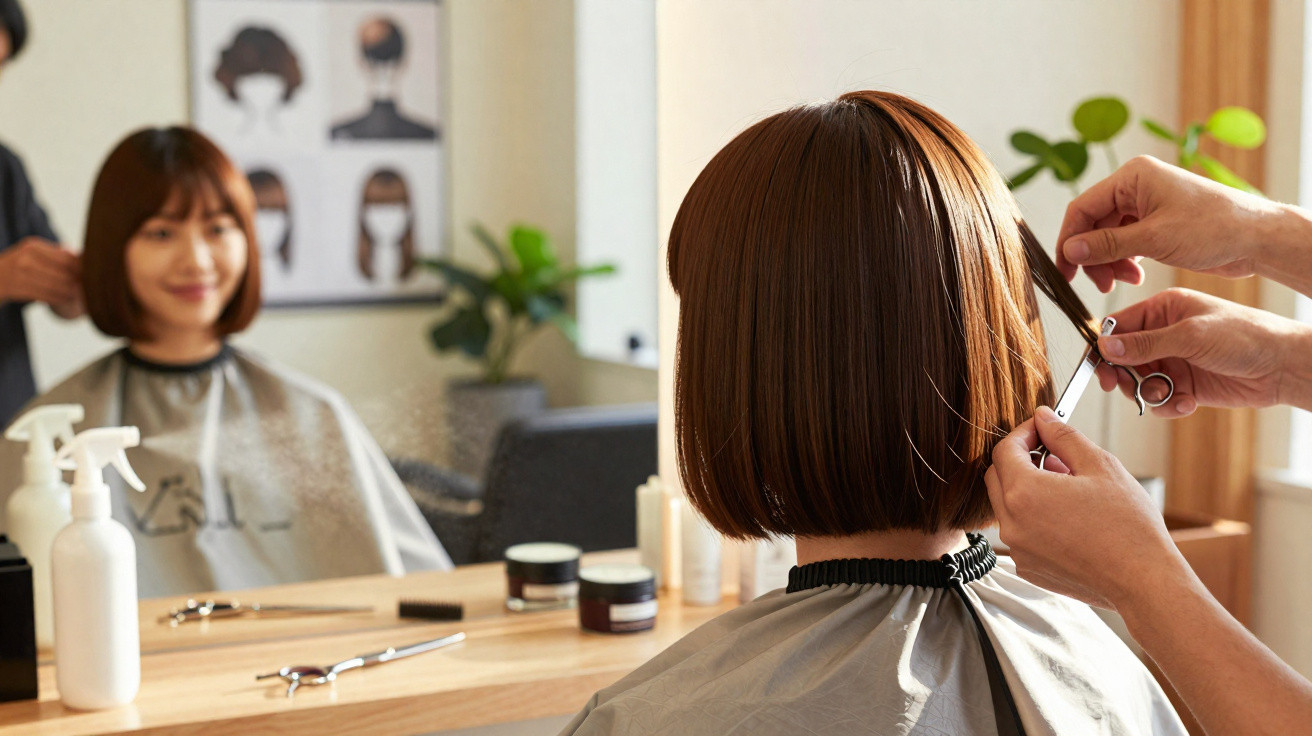
Begin by bringing three to five inspiration images, rather than twenty. Select women with a natural base and skin tone similar to yours; that is the realistic range you are working within. Then explain how you normally style your hair: always up, constantly straightened, or air-dried on most days. The finest chocolate shades are designed around the way hair moves in everyday life, not solely after a blow-dry.
Try terms such as “dimensional”, “translucent”, “shimmery”, “espresso”, “mocha” and “praline”. Colourists work with light and undertones, so these words give them useful creative direction.
The greatest risk with brown is waking the next morning and feeling… weighed down. Too dark, too lifeless, too much like a single block of colour. Usually, that happens when nobody discusses undertone. If your skin is prone to redness, very warm chocolate can intensify it. If you have very cool undertones, an excessively ashy brown may look greenish in particular lighting.
Be realistic about how often you can return to the chair. Honestly, nobody truly manages this every single day. If “every 10 weeks” is all you can commit to, make that clear. It encourages your colourist to retain your natural base, extend the root area and position the chocolate where it will grow out gently.
“My favorite chocolate in 2026 isn’t one exact shade,” explains Berlin colorist Jana K. “It’s the one that looks like your hair could have grown that way, but with a built-in highlighter filter.”
- Request a “shadow root” so regrowth does not create a harsh line.
- Tell them about the light in which you live: plenty of sun, office neon, or cloud cover for most of the year.
- Ask for a gloss or glaze at the end to seal in shine and tonal nuance.
- Arrange a fast tonal refresh every 6–8 weeks rather than having full colour each time.
- If going fully dark worries you, retain one or two ultra-fine lighter strands around the face.
Keeping your chocolate rich, not rusty
Here is what few people mention: brown can fade just as badly as blonde, only differently. Depending on your water and styling routine, it can become brassy, flat or unexpectedly red. Treat your chocolate as you would a beloved leather bag: cleanse it gently, avoid harsh scrubbing and polish it regularly.
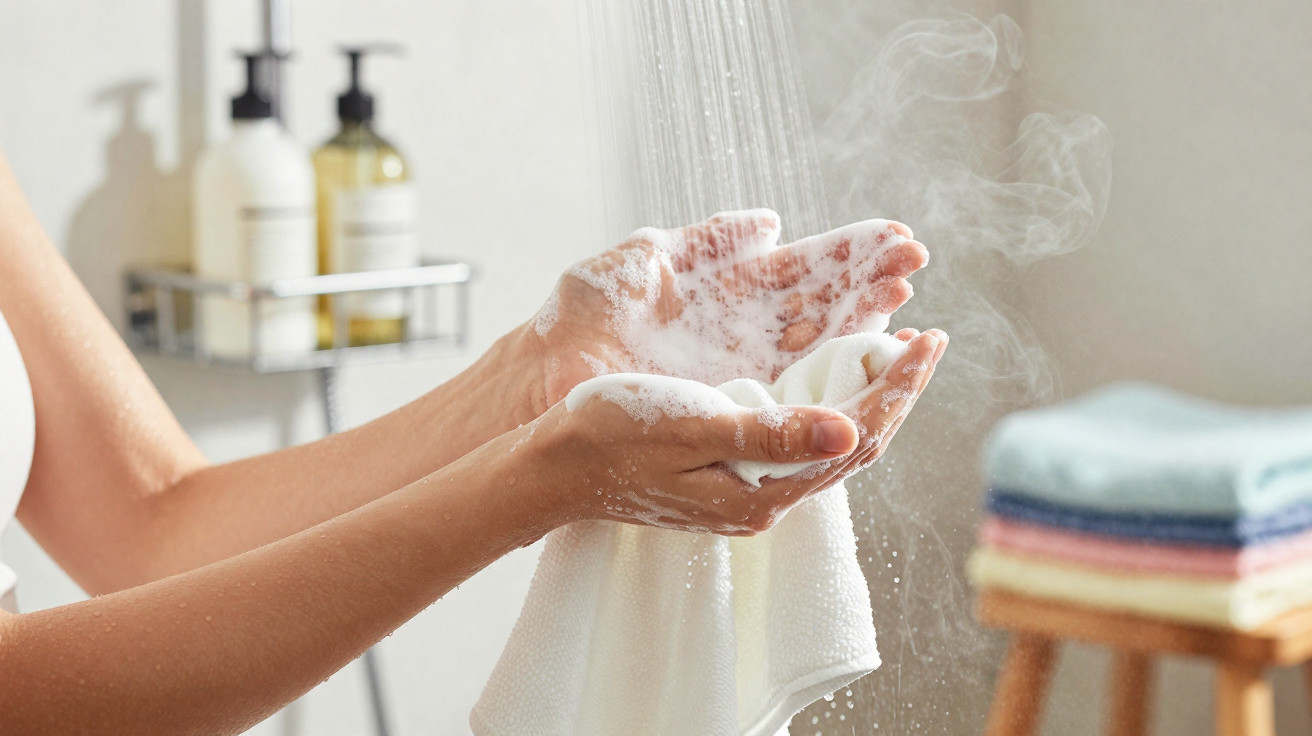
Replace your everyday shampoo with a sulphate-free, colour-safe option, and turn down the water temperature. Hot showers are wonderfully comforting, but they strip tone and gloss more quickly than you might expect.
Heat styling is another subtle culprit. If you regularly straighten or curl your hair, always use a heat protectant, ideally one that adds a little shine. Consider it a topcoat for your pigment. Where possible, leave an extra one or two days between washes, using sleek buns or loose plaits on the in-between days instead of shampooing again.
Some brunettes rely on weekly colour-depositing masks in chocolate or espresso tones. Applied sparingly, they restore richness without requiring a monthly return to the salon.
Colourists also favour a clear or tinted gloss treatment every few weeks. It is quick, gentler than a complete dye service and revives the hair’s reflective surface. This is what makes chocolate hair look “expensive”, rather than like standard box colour applied six months earlier.
If you swim frequently or live in an area with particularly hard water, ask about shower filters or protective oils before entering the pool. Small changes like these can determine whether you have luminous cocoa or dull, rusty brown by the end of summer.
Chocolate hair as a mood: what this trend really says
The rise of chocolate hair in 2026 seems to mean more than a passing seasonal look. Following years of icy blonde ambitions and filters, there is a quiet pull towards warmth and softness. People want hair that does not demand attention, yet still leaves them feeling polished while facing the bathroom mirror on a Tuesday morning.
Chocolate shades occupy that ideal middle ground: striking enough to attract compliments, but understated enough to feel like “you”.
The most compelling stories colourists share are not about extreme before-and-afters. They concern clients who say they feel “more grounded”, “less fragile”, “more like an adult” after returning to brunette. Naturally, this is not true for everyone, but it arises often enough to be notable. Hair colour is not therapy, though it does shape the face we show the world each day.
Perhaps that is why these layered browns feel so relevant now. They do not erase past bleaching phases or bronde years; instead, they add another chapter over them, one that is richer and calmer.
The next time you browse hair inspiration or pass a salon window, notice where your gaze settles: on intricate beige balayage, or on a head of velvety, glossy chocolate that could belong in a perfume advertisement. Trends will change again, as they always do. But for now, 2026 belongs to brown - in every subtle, delicious shade - and the question is not so much “Will I go chocolate?” as “Which chocolate am I, really?”
| Key point | Detail | Value for the reader |
|---|---|---|
| Choose nuanced chocolate | Pick specific tones such as milk chocolate, black cocoa or cinnamon brownie instead of generic “brown” | Improves the likelihood of leaving the salon with flattering, dimensional colour |
| Speak your stylist’s language | Use mood and “flavor” words, alongside reference images close to your natural base | Helps the colourist understand your goal and adapt it to your reality |
| Protect the richness | Use sulphate-free care, cooler water, glosses and occasional colour masks | Keeps chocolate hair glossy and expensive-looking for longer between appointments |




Comments
No comments yet. Be the first to comment!
Leave a Comment