
Some days your hair looks bright and fresh; on others, your scalp feels itchy. A fixed calendar-based routine seldom responds well to either.
Dermatological research repeatedly reaches the same conclusion: the ideal washing frequency is determined by biology rather than routine. Sebum production, hair texture, age and even the climate where you live influence the timing. One inflexible rule will not suit everyone. Instead, base your approach on evidence and on what your scalp is telling you.
Hair type determines washing frequency
Fine, straight hair allows sebum to travel rapidly from the scalp down the shaft. This coating can quickly reduce volume and make hair appear shiny. For most people with fine, straight hair, washing every one to two days works best. The intention is to freshen the hair, not remove everything from it.
Oil moves somewhat more slowly through wavy hair. Washing two to three times weekly generally maintains a good balance. Some people can go longer by using a light water rinse between shampoo days.
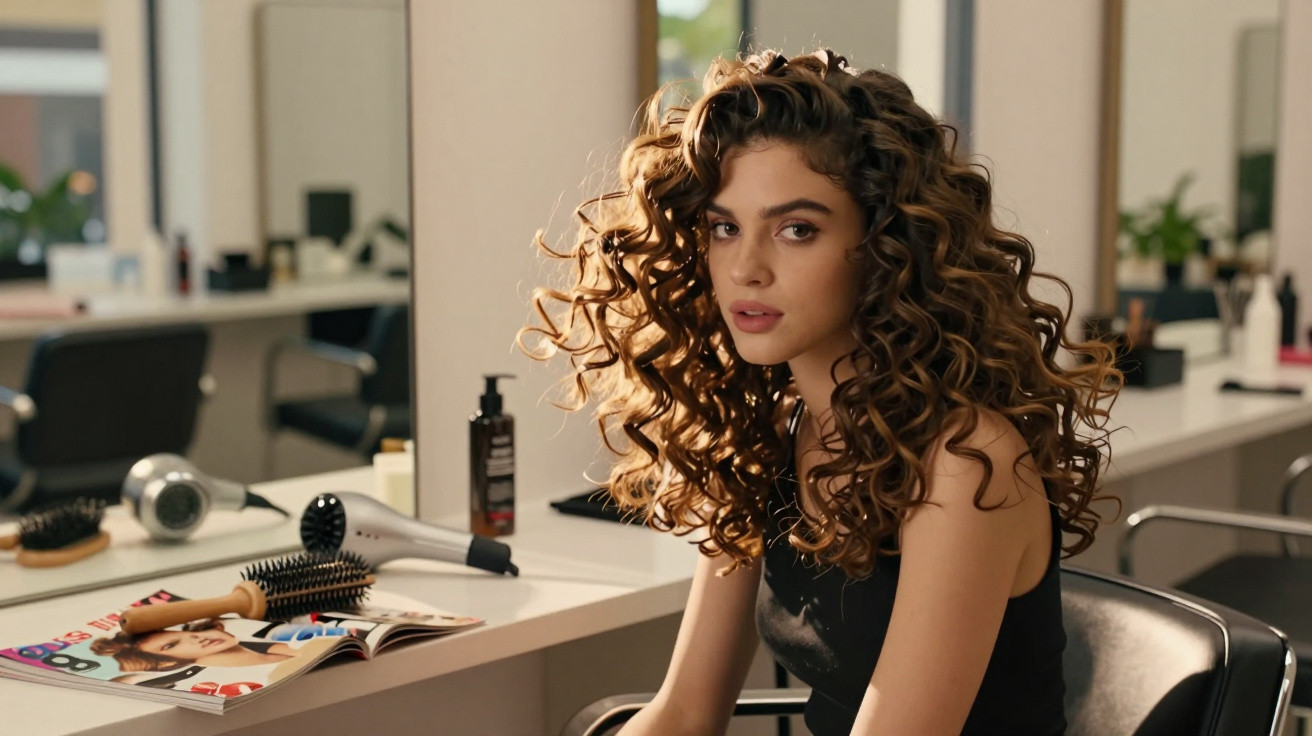
Very curly, coily and dense hair is better at retaining moisture. The tighter the curl pattern, the more gradually sebum moves along each strand. Weekly cleansing suits many people. Others find every 10 to 14 days effective, particularly where protective styles are worn and friction is kept to a minimum.
| Hair type | Baseline wash range | Reason |
|---|---|---|
| Fine, straight | Every 1–2 days | Sebum spreads fast, roots look oily quickly |
| Wavy | 2–3 times per week | Moderate oil spread, needs balance of lift and moisture |
| Curly | Weekly or every 5–7 days | Oil moves slowly, curls need moisture retention |
| Coily/kinky | Every 7–14 days | High moisture retention, gradual oil distribution |
There is no universal schedule. Your hair shape and scalp oil flow should set the calendar, not the other way around.
How texture and length alter the routine
Long hair tends to lose moisture more quickly than the roots because sebum rarely makes it all the way to the ends. Apply shampoo mainly to the scalp and hairline, then rinse it away thoroughly. Follow with conditioner from the mid-lengths to the tips only. This divided method cleans the scalp while helping to shield delicate ends.
Shampooing the entire length can remove too much of the protective lipid layer. Applying conditioner at the roots, meanwhile, may weigh hair down and leave the scalp greasy sooner. Targeted application makes a difference.
Shampoo the scalp. Condition the ends. Protect the barrier that keeps hair flexible and calm.
Age and hormones affect sebum output
Sebaceous glands respond to androgens. That hormonal signal is particularly active throughout adolescence and early adulthood, so roots can become oily more rapidly. Washing more often with a gentle product can be helpful.
As people get older, both androgen activity and oil production decrease. The scalp may become drier and more sensitive. Many older adults are more comfortable washing every 7–10 days with a mild cleanser, while adding moisture between washes.
Hormonal changes you may notice
For people who menstruate, monthly hormonal changes can alter scalp oiliness. Pregnancy may make strands thicker and affect sebum flow. Menopause commonly leads to dryness and greater sensitivity. Adapt your wash routine when these changes occur. Tightness, flakes and rapidly greasing roots are useful signs to monitor.
Sweat, exercise and persistent myths
Sweat is not inherently unclean. It consists mostly of water and salts, which dry on the skin. Completing an intense workout does not automatically mean you need a full shampoo. A water rinse, allowing the hair to dry, then brushing gently can revive it without over-cleansing.
- Wear a moisture-wicking headband while exercising to reduce sweat around the roots.
- After the gym, rinse with cool water and use leave-in conditioner only on the ends.
- For added lift between wash days, use a scalp-friendly dry shampoo around the hairline.
- Plan your wash days and keep them consistent through the week, regardless of exercise sessions.
Keep a consistent plan. A clean rinse or quick refresh beats an extra shampoo after every sweat session.
When shampooing too often has the opposite effect
Excessive washing removes the lipids that help protect the scalp. In response, the glands may produce additional oil. This rebound can result in greasy roots alongside dry, brittle ends. Strong surfactants may also aggravate the scalp and worsen flaking.
Select a mild cleanser. Sulphate-free or low-sulphate formulas can limit damage to the skin barrier. Use lukewarm rather than hot water, as heat can swell the cuticle and leave the scalp feeling tight. Let hair air-dry where possible, or use a hairdryer on a low setting and keep it at a distance.
Create a hair-washing routine for your environment
Humidity, pollution, hard water and hats or other headwear can all affect oil levels and product residue. Coastal humidity may cause strands to swell and lose volume, leading some people to wash more frequently. Arid conditions draw out moisture, making longer gaps between washes more suitable. Air pollution leaves particles clinging to the roots, calling for a thorough yet gentle cleanse.
Review the products you use. Rich silicones, butters and firm-hold gels may accumulate on the hair. If styling residue remains, introduce a gentle clarifying shampoo every 3–4 weeks. Afterwards, use a lightweight conditioner on the lengths so hair does not feel squeaky or dry.
Signs your washing schedule needs adjusting
- Roots become oily within 24 hours: wash more often or move to a lighter conditioner.
- Your scalp feels tight or itchy after washing: reduce the frequency and select a milder formula.
- Flakes accompanied by redness: think about using a targeted anti-dandruff shampoo once or twice a week.
- Ends are breaking: use more conditioner, shampoo the roots alone and leave longer between washes.
Let the scalp lead. Oiliness, tightness, itching, and flaking are feedback, not failures.
A research-backed template to personalise
Begin with a starting routine suited to your hair type and age, and keep it unchanged for three weeks. Assess how your roots feel after 24, 48 and 72 hours. Record scalp comfort, odour and dryness at the ends. Alter just one factor at a time, whether that is frequency, product formula or application technique. Gradual changes make the pattern easier to identify.
| Profile | Week plan | Key tweaks |
|---|---|---|
| Fine, oily-prone student | Mon, Wed, Fri washes | Light conditioner on ends, dry shampoo Tue/Thu |
| Wavy office worker | Tue, Sat washes | Scalp-only shampoo, mid-length conditioning, water rinse after midweek gym |
| Coily hair with protective style | Wash every 10 days | No-rinse scalp tonic midweek, oil ends only, gentle scalp massage |
Additional factors that influence results
Scalp conditions can require a different approach. Seborrhoeic dermatitis, psoriasis and folliculitis may call for medicated shampoos used on a defined schedule. Speak to a clinician if redness, burning or persistent flakes continue. Colour-treated hair can fade more quickly with frequent washing, so use cool water and colour-safe products to preserve the shade while maintaining a clear scalp.
Your tools also have an effect. A soft scalp brush can lift residue before shampooing and help it rinse away. A microfibre towel reduces the friction that can roughen the cuticle. If you co-wash, use a gentle shampoo weekly as well to stop build-up. When your scalp is reactive, patch-test new products behind the ear for 48 hours.
Simple rules travel far: steady schedule, gentle cleanser, scalp-first shampooing, ends-only conditioning, and patient adjustments.









Comments
No comments yet. Be the first to comment!
Leave a Comment