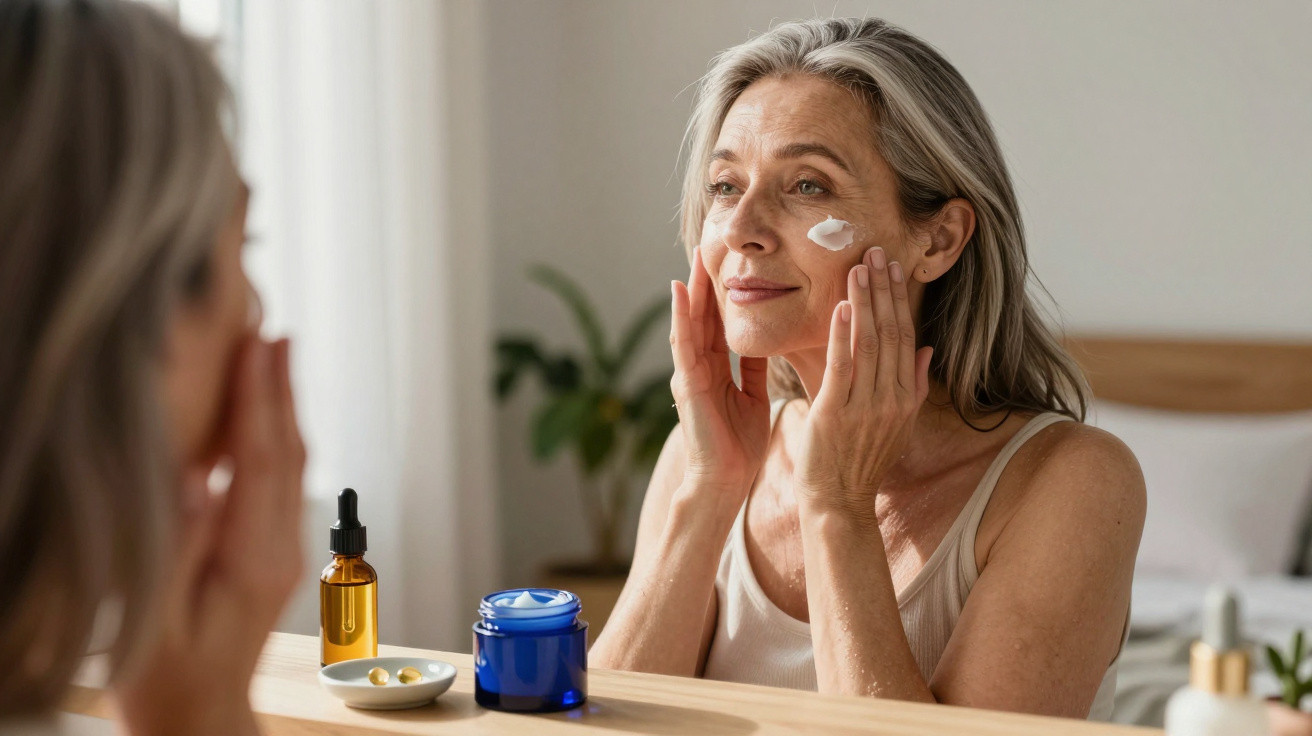
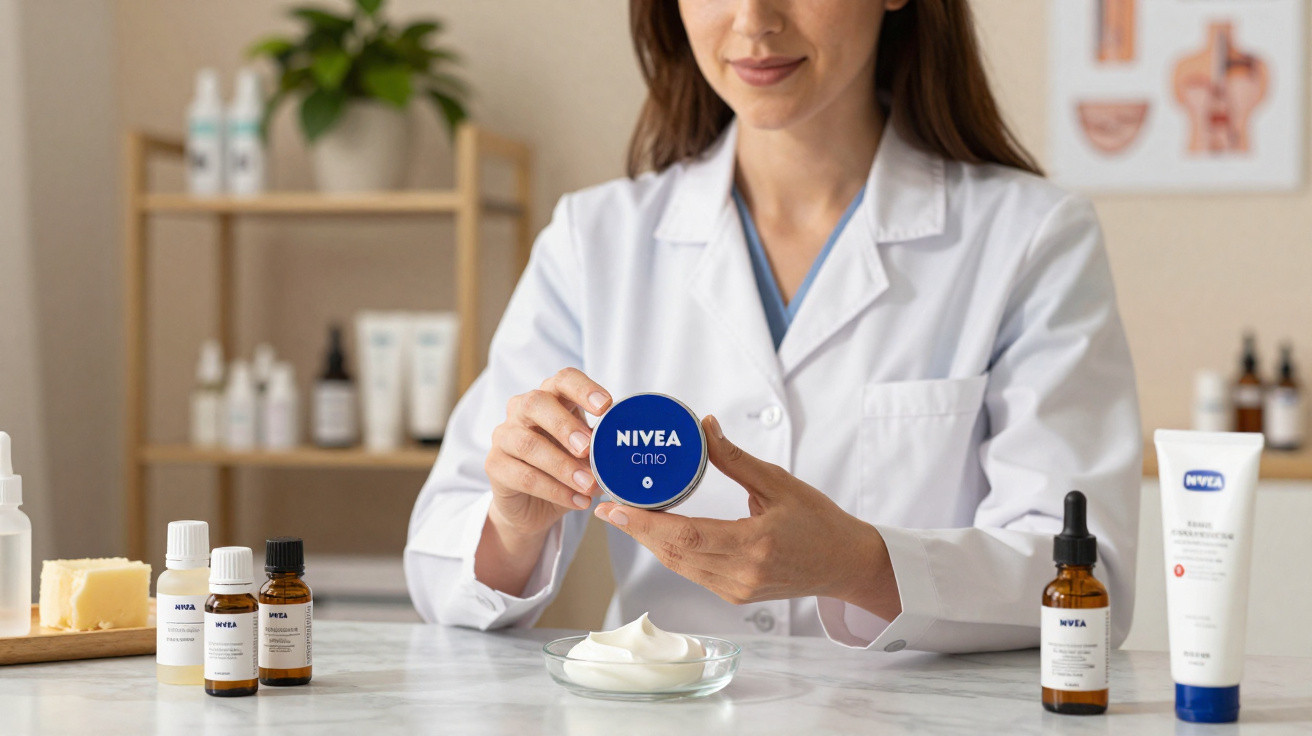
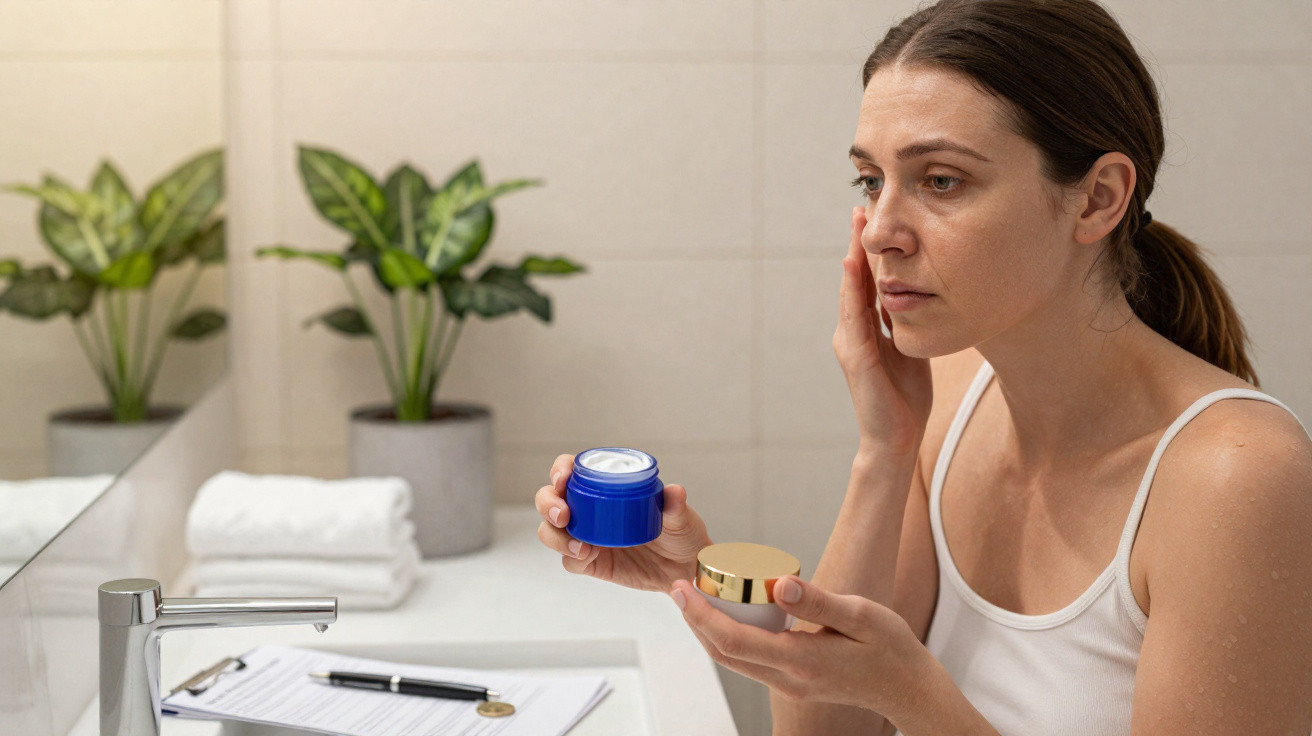
The classic blue tin can be found in countless bathrooms. However, skin’s needs change noticeably with age. This is where Nivea’s new skincare balm comes in, offering a potential replacement for the familiar cream: richer, more targeted at wrinkles and formulated with ingredients tailored to the specific requirements of mature skin.
Why Nivea is launching a specialist balm for mature skin
The well-known cream with its blue lid provides moisture and leaves skin feeling comfortable. Yet this is often no longer enough for mature skin. From around the mid-forties, skin loses water more quickly, collagen production declines and the skin barrier becomes more vulnerable. This can lead to dehydration lines, deeper wrinkles, a tired-looking complexion and less defined contours.
Nivea’s new “Q10 Rich Balm Day & Night” is designed to address precisely these changes. The balm is aimed at people with:
- mature skin with visible wrinkles
- very dry skin that often feels tight
- reduced firmness around the face and neck
- a preference for one cream to use in the morning and evening
Its consistency is closer to a traditional balm than a lightweight day cream: creamy, dense and enveloping. This creates a layer that helps retain moisture in the skin for longer and protects it from drying out.
What the new Nivea balm contains
The skincare balm brings together several active ingredients that have played an important role in anti-ageing research for years. The formula is intended not only to smooth the skin, but also to support its overall structure.
Q10: energy for tired skin cells
Q10, also known as coenzyme Q10, occurs naturally in every cell in the body. It helps supply energy and protects against oxidative stress caused by UV radiation, environmental pollutants or internal processes. As we age, Q10 levels in the skin decrease, making it more susceptible and slower to regenerate.
“Pure Q10 in the balm is intended to stimulate the activity of skin cells and support the skin’s natural protective function.”
Combined with a good moisturising base, Q10 may help make fine lines appear less noticeable and give the complexion a more refreshed appearance.
Collagen peptides for greater elasticity
Collagen forms the skin’s “supporting framework”. As this tissue breaks down, skin can appear looser and wrinkles become more deeply set. Peptides can signal to the skin that it should produce more of its own collagen.
According to the brand, the Nivea balm contains collagen peptides that support different collagen types. The aim is to make skin appear more elastic and firmer, particularly on the cheeks, along the jawline and across the forehead. These effects are not visible overnight, but after several weeks of regular use.
Ceramides as building blocks of the skin barrier
Ceramides are lipids that occur naturally in the outermost layer of the skin. They work like mortar between the “bricks” of the skin, helping to keep the barrier sealed. When ceramides are lacking, skin loses moisture more quickly and can become irritated.
“The balm uses ceramides to strengthen the skin barrier and counteract dryness and feelings of tightness.”
Mature, dry skin particularly benefits from this ingredient because it promotes a more comfortable skin feel over the long term – not only immediately after applying the cream, but for many hours afterwards.
Results claimed by Nivea in tests
According to the manufacturer, the balm has been dermatologically tested and assessed in user trials. These statements come directly from Nivea and reflect how the test participants experienced the skincare product.
- After 24 hours, 91 per cent of the women tested reported long-lasting moisture.
- After two weeks, deep wrinkles and expression lines appear visibly reduced.
- After four weeks, 88 per cent noticed a reduction in the feeling of slack skin, meaning firmer-looking contours.
These figures are not medical studies; they represent the participants’ subjective impressions. Nevertheless, they can offer an indication of whether many users perceive a skincare product as effective in everyday use.
How to use the balm correctly
The Q10 balm is intended for use both morning and evening. For anyone who does not want several pots of cream in the bathroom, it offers a fairly straightforward routine.
- Cleanse the skin and gently pat it dry.
- Warm a small amount of balm between your fingers.
- Apply it to the face, neck and décolletage, working from the centre of the face outwards.
- Massage it in using light upward movements, paying particular attention to the cheeks, jawline and forehead.
During very dry spells, the balm can be applied more generously and used as a mask. Leave it on for around 10 to 15 minutes, then gently remove any excess or massage it into the skin.
“The balm therefore works as a day moisturiser, night cream and intensive mask at the same time – one product for several needs.”
According to retail information, the cream is priced at around fifteen euros, keeping it within Nivea’s usual price range.
Who is the new Nivea balm suitable for – and who is it not for?
The formula is clearly intended for people with mature, predominantly dry skin. Those with combination or oily skin may find the rich texture too heavy. In that case, lighter fluids or gels are generally better suited.
Suitable users for the balm include, for example:
- people aged around 45 and over with pronounced wrinkles and dryness concerns
- women during and after the menopause whose skin suddenly becomes drier
- people whose skin becomes very dry because of indoor heating during winter
- anyone who prefers a manageable skincare routine based on one product
Anyone with known sensitivities to fragrance or certain preservatives should, as always, check the ingredients list and, if in doubt, test the product on a small area of skin first.
How useful are anti-wrinkle balms in general?
Anti-ageing products cannot stop time, but they can lessen certain visible signs of ageing. In dermatology, a combination of moisture, barrier protection and active ingredients such as Q10, peptides or retinol is considered a sensible approach.
Important factors for successful skincare of this kind include:
- daily use over several weeks
- adequate sun protection in the morning, as UV radiation intensifies wrinkles
- gentle cleansing so that the skin barrier is not stressed each time
- skincare adapted to the seasons, with richer products in winter and lighter ones in summer
Mature skin responds particularly well to consistent care. Frequently trying new products and changing routines is more likely to unsettle the skin than support it.
What else to know about Q10, peptides and ceramides
Q10 is considered a well-tolerated active ingredient and is also suitable for beginners who have previously used only simple moisturisers. Unlike some acids or high-strength retinol, it is less likely to cause redness or flaking.
Peptides work more subtly and over the longer term. They are not a “miracle solution overnight”, but part of a strategy designed to last several months. With realistic expectations, regular use can lead to a visibly calmer, smoother skin texture.
Ceramides are, in a sense, the essential foundation working in the background: they ensure other active ingredients can work in a stable environment. A well-maintained barrier reduces tightness, makes the skin more resilient and lowers the risk of potent ingredients causing stinging or itching.
It is the combination of these three building blocks that makes the new Nivea balm appealing: an energy provider, a structural support and barrier care in one pot. Anyone who loves the blue classic but wants greater firmness and an anti-wrinkle effect may find it a suitable alternative – without entirely giving up the familiar Nivea feel.







Comments
No comments yet. Be the first to comment!
Leave a Comment