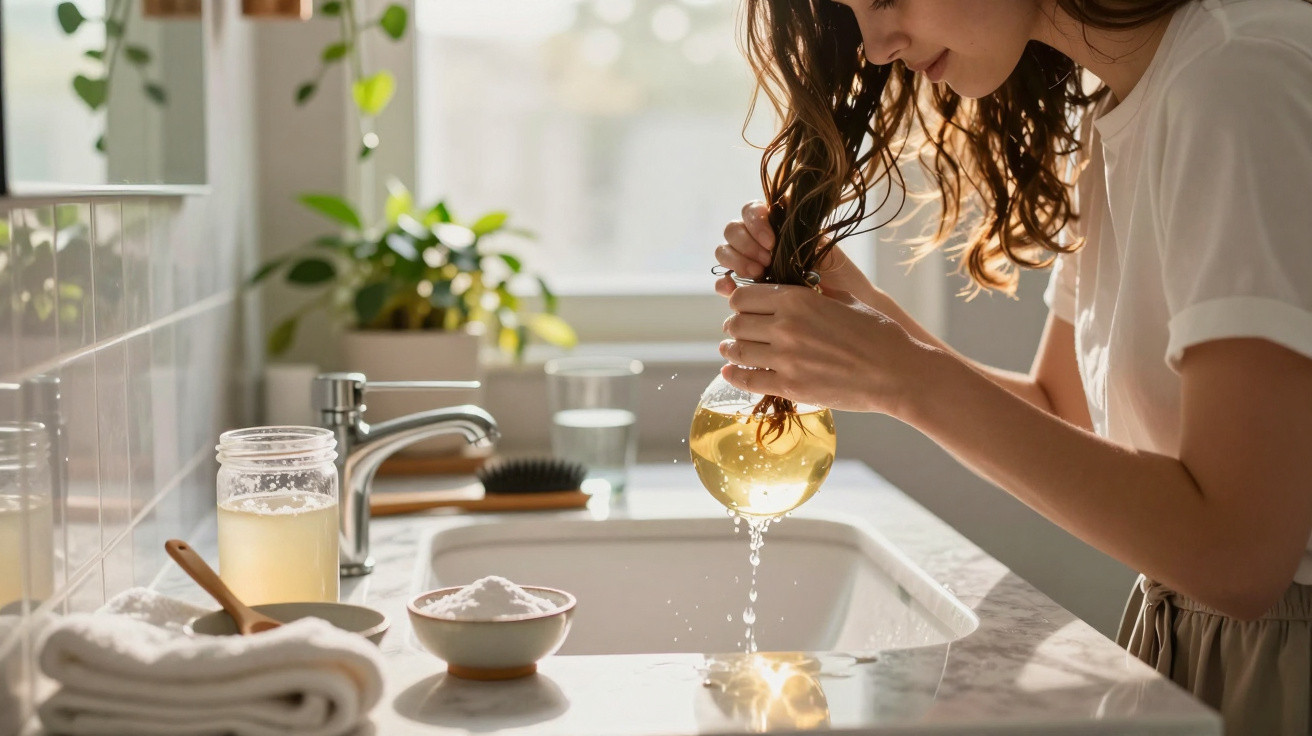
More and more people are bypassing conventional shampoo bottles and using a single everyday kitchen ingredient that may leave hair feeling clean for a whole week.
Why people are giving up shampoo
Conventional shampoos remove sweat, oil and styling-product residue from the scalp, but they can also take away much of the natural sebum that shields the hair fibres. In response, the scalp may produce additional oil. Hair can then appear greasy sooner, leading people to feel they need to wash it more regularly.
There is also growing concern about the fragrances, sulphates and preservatives used in many mainstream products. Household surveys in Germany indicate that, by 2026, more than half of consumers regularly choose natural or low-chemical hair products. Comparable trends are appearing in the UK and the US.
Many people now find that washing less often with gentler ingredients leaves hair cleaner for longer than daily shampooing.
This change has encouraged people to look for affordable, minimal-ingredient alternatives that can be prepared at home and used weekly rather than every day.
The 7-day clean hair trick: one pantry ingredient
The approach is remarkably straightforward: a gentle alkaline kitchen powder is used to break down oil and product build-up, before a mildly acidic rinse helps restore scalp balance and smooth the hair cuticle.
Plain baking soda is the cupboard staple used in many of these routines. When applied occasionally and diluted correctly with water, it can work as a mild scalp exfoliant, lifting residue without the foaming detergents common in shampoo.
A diluted baking soda wash followed by an acidic rinse can keep some hair types feeling clean for up to seven days.
The technique forms part of the broader “low-poo” or “no-poo” movement, in which people use basic ingredients such as eggs, rice water and clays in place of standard shampoo and conditioner.
How the baking soda and vinegar method works
A simple weekly baking soda routine
- Use a baking soda solution once each week to cleanse the scalp.
- Follow it with a diluted apple cider vinegar rinse.
- Allow hair to air-dry when possible, and avoid weighty styling products.
After an adjustment period, many users say their hair remains fresh-looking for several days and, frequently, for as long as a full week before they need another wash.
Step-by-step guide
This is a straightforward version of the method commonly shared online and in natural beauty forums:
- Prepare the cleanser: Mix 1 tablespoon of baking soda with 3 tablespoons of lukewarm water, stirring until the powder has dissolved. For very thick or long hair, these quantities may need to be doubled.
- Put it on the scalp: Thoroughly wet the hair. Apply the mixture directly to the scalp, working section by section. Concentrate on the roots rather than the lengths.
- Massage lightly: Massage with your fingertips for 30–60 seconds to help release oil and dead skin cells.
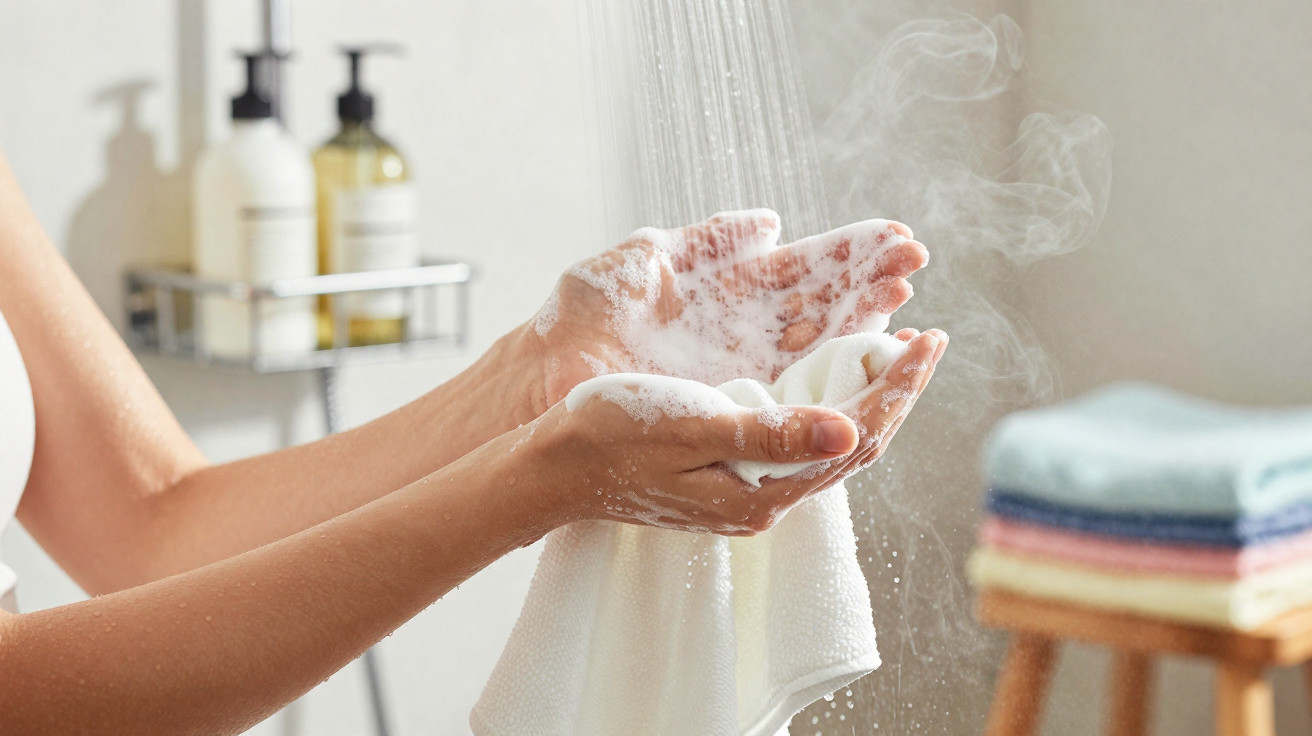
- Rinse thoroughly: Remove the mixture using plenty of lukewarm water. Leftover residue may feel gritty.
- Rebalance the hair: Combine 1–2 tablespoons of apple cider vinegar with a large cup of water. Slowly pour it over the hair, taking care to avoid the eyes.
- Leave it briefly and rinse: Allow the vinegar mixture to remain for up to a minute, then rinse it away with cool water to close the cuticle and boost shine.
The key is dilution: both the baking soda wash and vinegar rinse must be mixed with enough water to stay gentle on skin and hair.
Other household ingredients people swear by
Egg masks for a rapid refresh
An egg can provide both gentle cleansing and a protein-rich treatment. Egg white can bind to some oil and impurities, while the yolk offers fats and vitamins that may make hair feel softer.
One popular DIY technique involves applying a beaten egg to damp hair, leaving it in place for roughly three minutes and rinsing with cool water. Hot water can cook the egg, making it hard to wash out.
This method is better suited to hair that is somewhat dry or lacklustre than to very oily scalps. By itself, it will not generally keep hair fresh for seven days, although it can work effectively between baking soda washes.
Rice water for shine and strength
Rice water is created by soaking uncooked rice in water for about 30 minutes. It contains starches alongside small quantities of vitamins and minerals, and many users report smoother hair that is less likely to break.
It is generally applied as a rinse after the scalp has been cleansed, rather than used as the main cleanser. Some people use it weekly, leave it on for 5–10 minutes and then rinse it out thoroughly.
Clay washes for oily roots
Rhassoul and other cosmetic clays can draw out oil and dirt without surfactants. Once mixed with water to create a thin paste, they are massaged into the scalp before being rinsed away. They can be particularly suitable for people with very oily roots or sensitivities to fragrances and preservatives.
| Household method | Main effect | How often people use it |
|---|---|---|
| Baking soda + vinegar | Deep cleanse, longer-lasting “clean” feeling | About once a week |
| Egg mask | Nourishing, light cleansing | Every 1–2 weeks |
| Rice water rinse | Shine and smoother texture | Weekly or bi-weekly |
| Clay wash | Oil absorption at roots | Every 1–2 weeks |
Daily habits that extend that 7-day clean
The length of time hair stays fresh is influenced by habits as well as products. These practices may help increase the time between washes:
- Cooler water: Hot water opens the cuticle and may encourage additional oil production. Lukewarm or cool water usually leaves hair calmer and smoother.
- Gentle brushing: Using a clean brush to work from the ends towards the roots distributes natural oil more evenly and helps avoid greasy areas around the scalp.
- Clean pillowcases: Replacing pillowcases every few days limits the transfer of sweat and facial skincare products back onto the hair.
- Lighter styling: Waxes, rich creams and strong hairsprays create build-up more quickly than light leave-in sprays or modest amounts of oil.
Washing only when hair really feels dirty, rather than out of habit, often shortens the “greasy hair” phase between routines.
Who should take care with the baking soda method
Alkaline products do not suit every scalp. People with psoriasis, eczema, highly sensitive skin or a history of contact allergies may react poorly to either baking soda or vinegar.
Trichologists also caution that using undiluted baking soda frequently can roughen the cuticle of chemically treated or fine hair. Hair that has been coloured or bleached may be particularly susceptible to pH changes, so it needs gentle treatment.
A sensible first step is to patch-test the mixture on a small patch of skin and begin with longer intervals between washes. Burning, flaking or tightness indicates that this is not an appropriate method.
Realistic expectations and transition effects
Those who move straight from daily shampooing to a once-weekly baking soda wash often experience a transition period. Because the scalp is accustomed to producing excess oil, hair can look greasier than usual during the first couple of weeks.
At this stage, some people use a little dry shampoo on the fringe or along the hairline, while others simply wear their hair tied back on day five or six. In time, the scalp commonly adapts and sebum production reduces.
The seven-day promise depends heavily on hair type, climate and lifestyle. For some, four or five days is more realistic than a full week.
Practical scenarios and combinations
Take a commuter with fine hair that is easily weighed down, who also goes to the gym three times each week. Shampooing every day may make their scalp feel tight, yet avoiding washes after exercise can be uncomfortable. For them, a weekly baking soda and vinegar treatment alongside a water-only rinse after the gym could offer a practical middle ground.
A person with thick, wavy hair and a dry scalp may instead opt for an egg mask every fortnight, a weekly rice water rinse and a very diluted clay wash only when the roots begin to feel heavy. The objective is not to reproduce another person’s regimen, but to combine methods that match hair texture, scalp behaviour and lifestyle.
Many people use these kitchen ingredients alongside small quantities of plant oils, including marula, babassu or jojoba, applied only to the ends. This can help keep the lengths soft while allowing the scalp to remain clean for longer.
Anyone altering their routine should watch for signs including ongoing itching, unusual shedding or sudden breakage. These symptoms suggest consulting a dermatologist or trichologist before continuing with home treatments.











Comments
No comments yet. Be the first to comment!
Leave a Comment