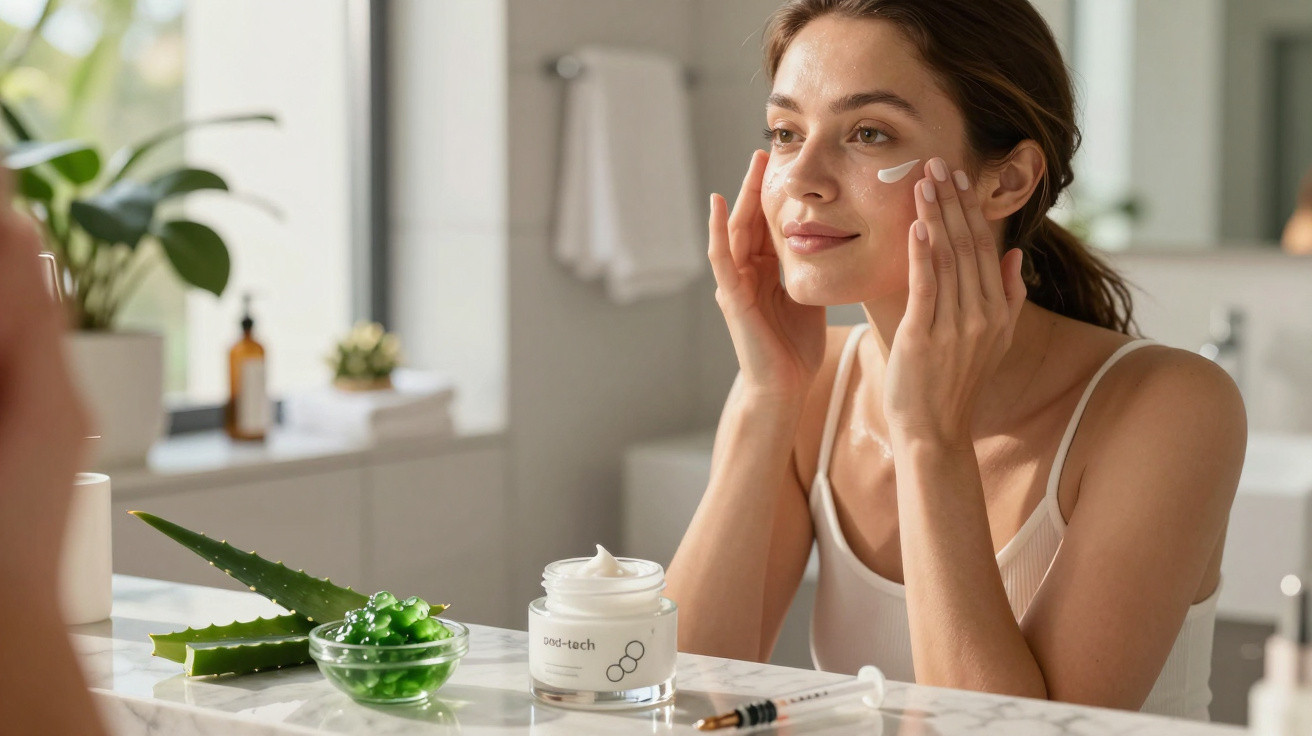
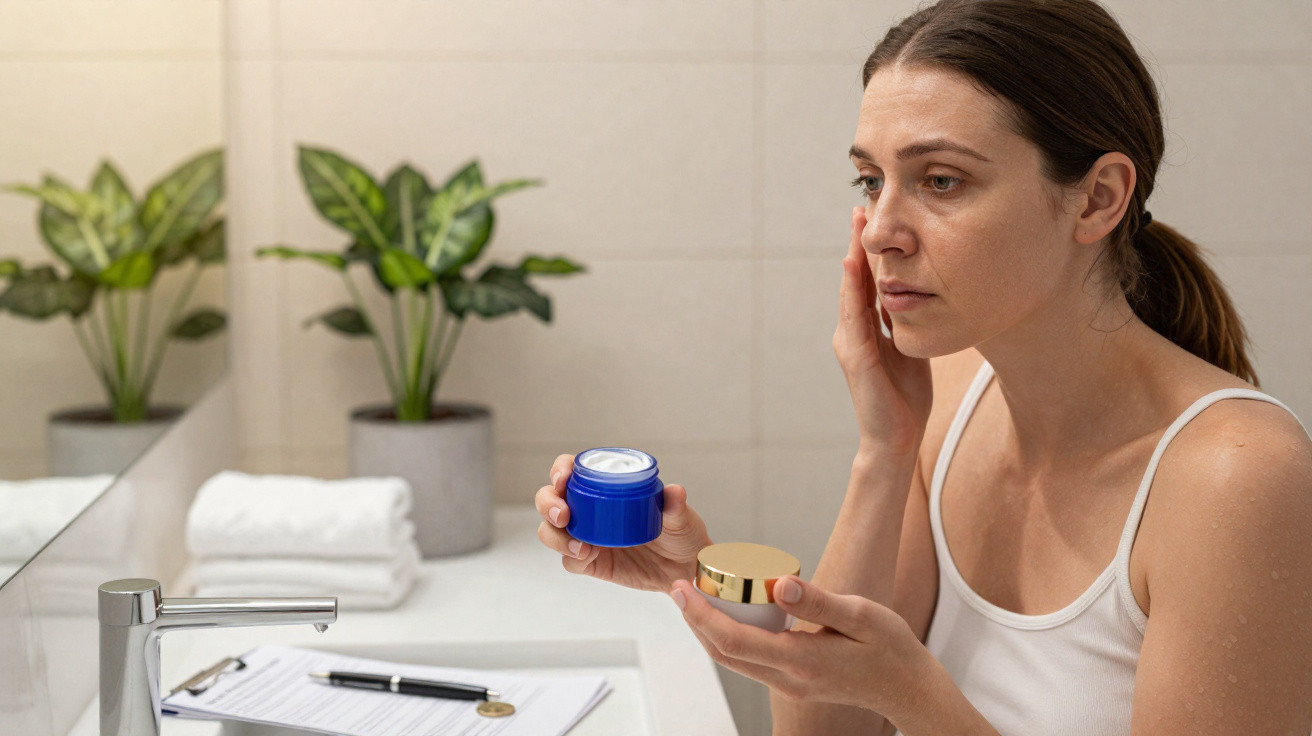
More and more people want to soften expression lines but do not want needles, risks or an artificial, mask-like appearance. This is exactly where modern Botox creams come in: they are designed to cosmetically imitate the relaxing effect of traditional injections, while being applied topically and acting far more gently.
What the term “Botox cream” really means
Botox creams sit within the anti-ageing category, yet they focus more specifically on expression lines: the forehead, frown lines, crow’s feet and fine lines around the lips. They aim to deliver two benefits at once: reduced muscular activity beneath the skin and a visible smoothing effect on its surface.
Conventional Botox injections block acetylcholine, the messenger substance that triggers muscle contractions, at a deeper level. A cream cannot achieve this to the same extent – nor is it intended to. Instead, it uses different and milder mechanisms.
Botox creams are intended to ease muscular tension and mechanically firm the skin – without a medical procedure.
Essentially, there are two main modes of action:
- Skin-relaxing active ingredients: peptides or plant extracts that lessen micro-contractions in the facial muscles.
- Tensing effects: biopolymers, algae or sugar-based structures that create an invisible film and smooth the surface of the skin.
A third approach has emerged in recent years: so-called neurocosmetics. These interact with nerve receptors in the skin and can therefore influence tension and facial expressions – an exciting area that is clearly shaping the market in 2026.
The key high-tech active ingredients in Botox creams
Anyone looking beyond marketing claims and towards the ingredient list should recognise several terms that feature on many jars.
Peptides as “signal interrupters”
Peptides are short protein chains that send targeted signals to the skin. A well-known example is Argireline (Acetyl Hexapeptide-8). This ingredient affects the SNARE complex, a system involved in the release of neurotransmitters.
Within skincare formulas, this can lead to lower muscle tension. The muscles continue to move, but with less intensity. Lines caused by repeated facial expressions can consequently look less pronounced.
Plants with a “Botox effect”
A number of brands use natural extracts that work in a similar way to synthetic peptides:
- Acmella oleracea: This plant provides the active ingredient spilanthol. It acts as a mild muscle relaxant, reduces micro-contractions and can make facial features appear more relaxed.
- Zanthoxylum bungeanum (Sichuan pepper): Its active sanshool molecules interact with sensitive nerve receptors in the skin. A slight tingling sensation or minimal numbness is often noticeable – a sign that the muscles beneath the skin are relaxing.
Spilanthol and Sichuan pepper are regarded in 2026 as the stars of “natural Botox active ingredients” – offering visible effects without injections.
Tensing effects from algae and biopolymers
Many immediate benefits stem not only from the muscles, but also from the skin’s surface. Certain algae, including red algae such as Gigartina stellata, contain sugar structures which form a flexible film as they dry. This has the effect of a gentle, invisible “face-lift”.
Plant polysaccharides and biotechnologically produced biopolymers can offer similar results. They contract slightly, making fine lines appear smoother and leaving the skin feeling firmer – particularly immediately after application.
Hydration, fillers and barrier support
Botox creams rarely address facial expressions alone. Manufacturers often pair relaxing ingredients with established anti-ageing strategies:
- Hyaluronic acid in different molecular sizes: Smaller molecules penetrate deeper into the skin, while larger ones remain on the surface and visibly plump fine lines.
- Collagen: Usually marine collagen, which supports the skin’s structure and creates a fuller-looking appearance.
- Niacinamide: Improves texture and evenness, reinforces the skin barrier and reduces mild redness.
- Oils and humectants: Argan oil, almond oil, squalane or aloe juice nourish and protect the skin while supporting elasticity.
Example products: how modern Botox creams work differently
The technologies may sound abstract, but their applications in products are highly tangible. Several formulas currently available on the market reflect these trends particularly well.
Suavitas “Botox Cream”: a green approach with aloe
This cream combines cold-pressed aloe juice with arginine. As it dries, the aloe forms a light tightening film while also soothing irritated skin. Arginine, an amino acid, supports moisture retention and skin metabolism.
It is designed primarily for mature skin seeking lasting nourishment and a gentle firming sensation. Its light texture works well beneath make-up because it smooths the skin without weighing it down.
BioBotulin 24h: spilanthol plus multi-level hyaluronic acid
Spilanthol from Acmella oleracea takes centre stage here. The formula is clearly intended to deliver rapid relaxation of facial expressions. It is complemented by a complex of hyaluronic acid in three different molecular sizes, providing hydration at the surface, in the middle and in deeper layers.
Nourishing oils such as argan and almond oil are joined by antioxidant rice germ oil and soothing calendula. Collagen supplies an additional plumping effect – a typical example of a cream that combines a “Botox effect” with rich skincare.
Biocollagenix “Botulin Like Effect”: peptide plus polysaccharides
This formula brings together Argireline, a Botox-like peptide, and natural polysaccharides that provide an immediate tightening effect. It therefore works both on muscular activity, through reduced contraction, and on the surface, through visible smoothing.
The formula is further supported by hyaluronic acid in different sizes, marine collagen and niacinamide. This combination is particularly suited to people dealing not only with wrinkles, but also uneven skin, discolouration or a dull complexion.
laCabine “Botulinum Effect”: lifting film and optical soft-focus effect
This cream uses an extract from the red alga Gigartina stellata. It creates an elastic, firming film with an instantly visible lifting effect. It also contains squalane, which resembles the skin’s own sebum and provides intensive hydration, plus a protective complex against air pollutants.
An interesting feature is the inclusion of so-called soft-focus pigments. These scatter incoming light, so fine lines immediately appear less harsh. It is less biochemistry and more of an optical trick – but the result is highly photogenic.
Amor Tuo Lab “Anti Age Effekt Botox”: Sichuan pepper as neurocosmetics
This formula introduces an unusual ingredient: Zanthoxylum, better known as Sichuan pepper. In cooking, it produces a tingling numbness; in cosmetics, it provides a slight dampening effect on nerve receptors at the skin’s surface.
The active sanshool compounds cause a subtle tingling sensation. At the same time, the muscles beneath the skin relax somewhat more than they would with moisturisers alone. Combined with hyaluronic acid in three molecular sizes, this produces a noticeable instant lifting effect that visibly smooths expression-prone areas such as the forehead and eye area.
Who can genuinely benefit from a Botox cream?
Typical users are not necessarily only people aged over 50. Early expression lines from the mid-30s onwards can often respond well to these products. Those with strongly defined, deep wrinkles should realistically expect optical softening rather than complete “ironing out”.
| Skin type / goal | Suitable approach |
|---|---|
| Early expression lines, normal skin | Lightweight peptide cream with a tensing effect, possibly with niacinamide |
| Dry, mature skin | Rich formula with oils, collagen and multi-level hyaluronic acid |
| Sensitive skin | Soothing extracts (aloe, calendula), minimal fragrance |
| Heavily stressed urban skin | A combination of Botox effect and anti-pollution protection |
Risks, limitations and sensible combinations
Many of these products rely on cosmetic active ingredients rather than medical botulinum toxin. This avoids the usual injection-related risks, such as bruising, asymmetrical paralysis or frozen-looking facial features. However, not every skin type reacts in the same way.
- Sensitive skin may respond to fragrance, certain plant extracts or preservatives with redness and burning.
- Strong tensing effects can initially feel tight on very dry skin.
- Anyone prone to allergies should carry out a patch test before using exotic plant-based ingredients such as Sichuan pepper.
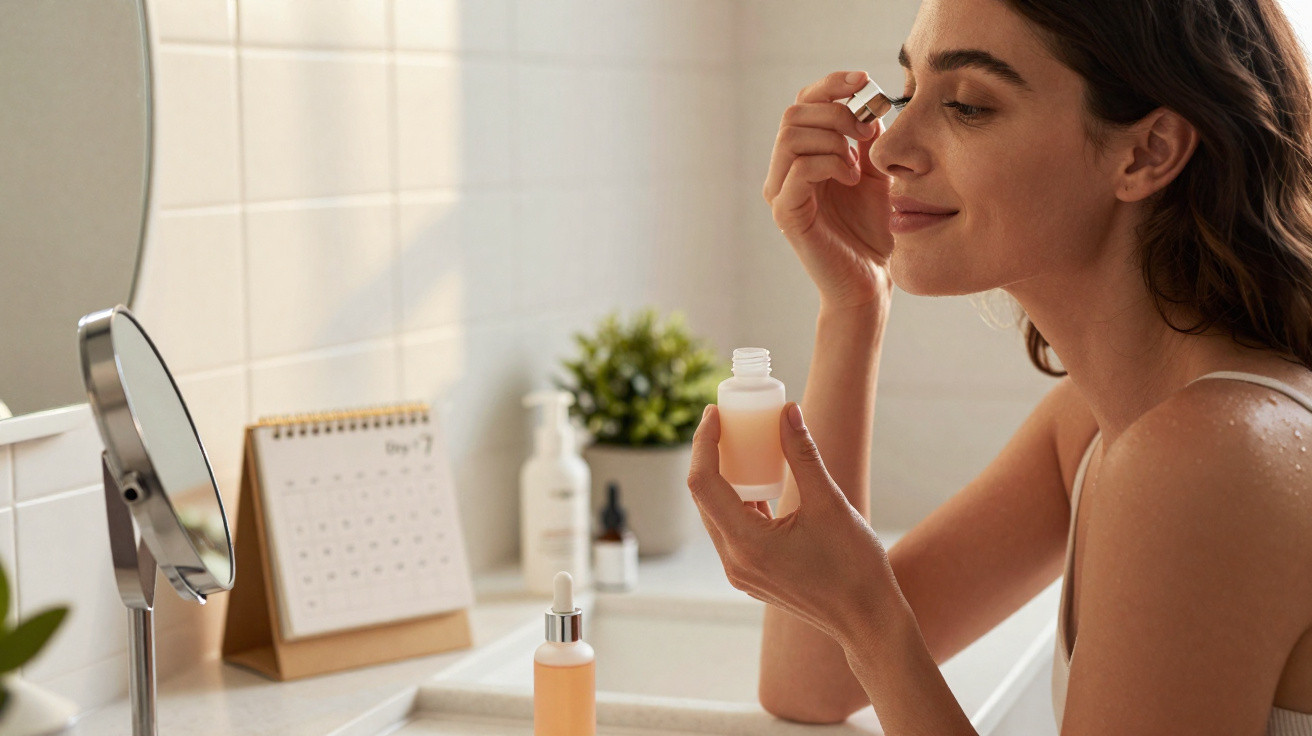
Their potential becomes particularly interesting when combined with other skincare steps. One example is using a retinol serum in the evening for textural changes and pigmentation marks, followed by a Botox cream to calm expression lines. During the day, an antioxidant serum and Botox cream can be applied underneath sunscreen. This makes it possible to tackle wrinkles on several levels: collagen building, protection against free radicals and relaxation of facial expressions.
It is important to keep expectations realistic. A cream cannot replace a medical injection, but it can make a clear contribution to improving the overall appearance, especially where dynamic fine lines and a tired complexion are concerned. Many users primarily report looking fresher and less tense – and that is what most people are seeking: not to look younger at any cost, but more rested.


Comments
No comments yet. Be the first to comment!
Leave a Comment