
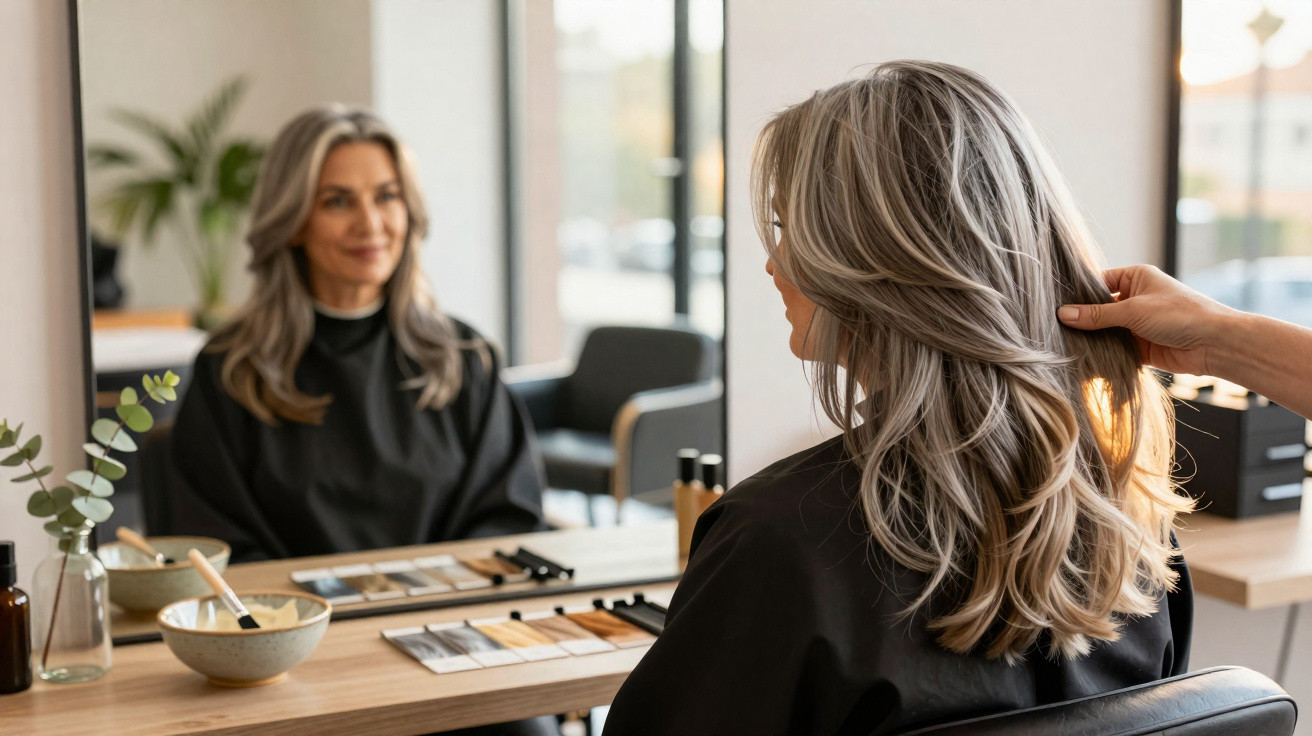
Choosing to embrace grey hair is no longer linked solely to getting older; it is now regarded as an expression of authenticity and style. Increasingly, people are giving up permanent hair dyes and choosing to show their silver strands as part of their identity, seeking guidance on keeping their hair healthy, glossy and contemporary-looking.
What is grey hair and why does its texture change?
Grey hair has lost some or all of its melanin pigment, so it can appear white, silver or grey depending on how light is reflected by each strand. The process is chiefly associated with genetics and the natural ageing of cells, although it may be accelerated by factors including severe stress and nutritional deficiencies.
Its structure changes as well as its colour: strands often become coarser, less flexible and feel drier. The hair fibre is generally more porous and more likely to absorb pollutants, chlorine and product build-up, which can account for a dull or yellowish appearance in some people.
How should you care for grey hair every day?
Everyday care starts with washing and protecting hair from external damage, including strong sunshine, heat from hairdryers and straighteners, and swimming-pool chlorine. These influences speed up oxidation and can make grey strands turn yellow, making protection with hats, UV filters and limited use of heated styling tools important.
When choosing hair products, alternate gentle shampoos with toning formulas containing violet or blue pigments to counteract unwanted tones. The following practical steps can help structure a routine that maintains a silver shine and a soft feel:
- Regular hydration: products containing honey, plant oils, glycerine and panthenol restore moisture and softness.
- Nourishing the hair fibre: ingredients such as oleic acid and linoleic acid support strand elasticity.
- Sun protection: leave-in products with a UV filter lower the risk of yellowing.
- Gentle cleansing: shampoos without harsh detergents help maintain scalp balance.
How does diet affect grey hair?
Diet has an effect on hair health even after strands have turned white, supporting shine, strength and controlled shedding. Protein, iron, zinc and B vitamins, particularly B12, are involved in processes connected with hair growth and the proper functioning of cells in the hair bulb.
Where significant deficiencies are present, grey hairs may appear sooner in people with a genetic predisposition. A varied diet containing lean meat, eggs, milk and dairy products, pulses, fruit and vegetables contributes to stronger grey hair with a well-groomed appearance.
Which cuts and products enhance grey hair?
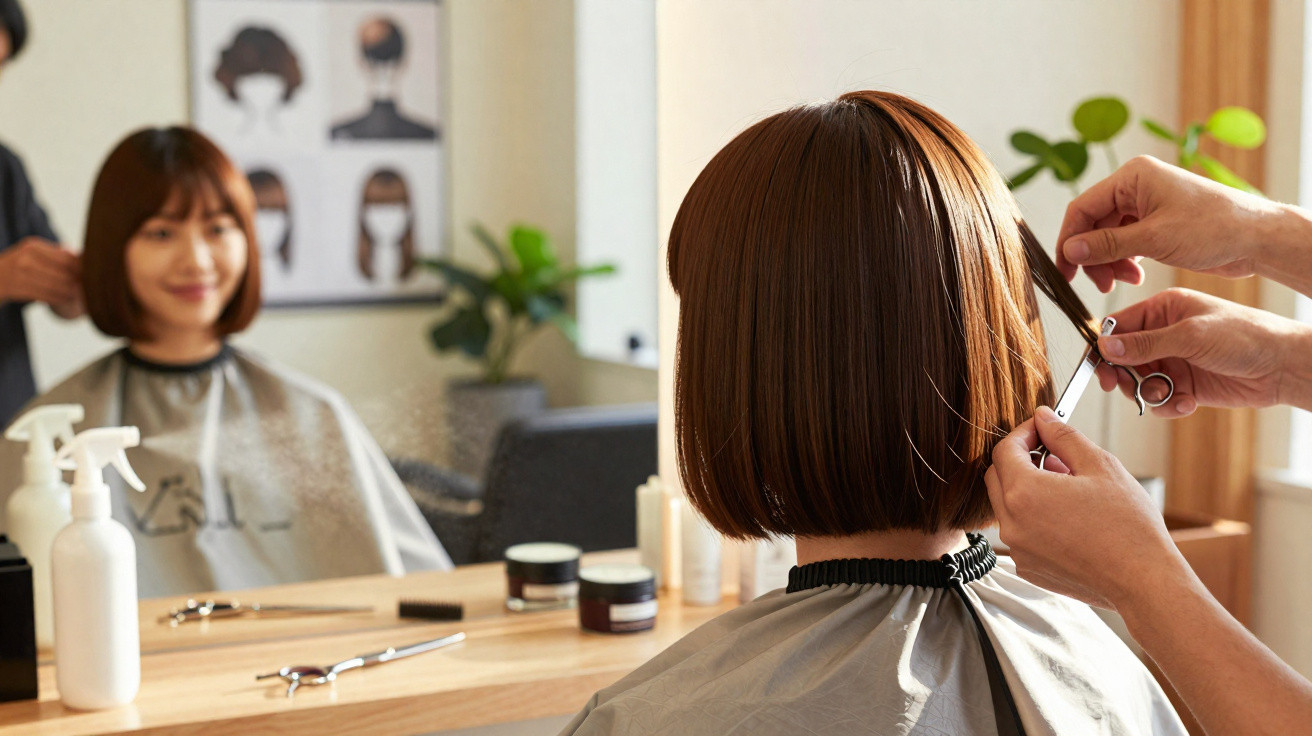
The right haircut can transform the overall look, helping to manage frizz and volume. Methods that protect the hair fibre, such as using scissors rather than blades that create excessive layering, tend to suit white hair well, as it is naturally drier and more prone to puffiness.
Short and medium lengths make it easier to refresh the ends and maintain the shape, while lightweight styling creams, serums and finishing oils with antioxidants such as vitamin E help shield hair from pollution and solar radiation. This combination of a suitable cut, daily care and small routine changes makes grey hair a style feature rather than something to conceal.









Comments
No comments yet. Be the first to comment!
Leave a Comment