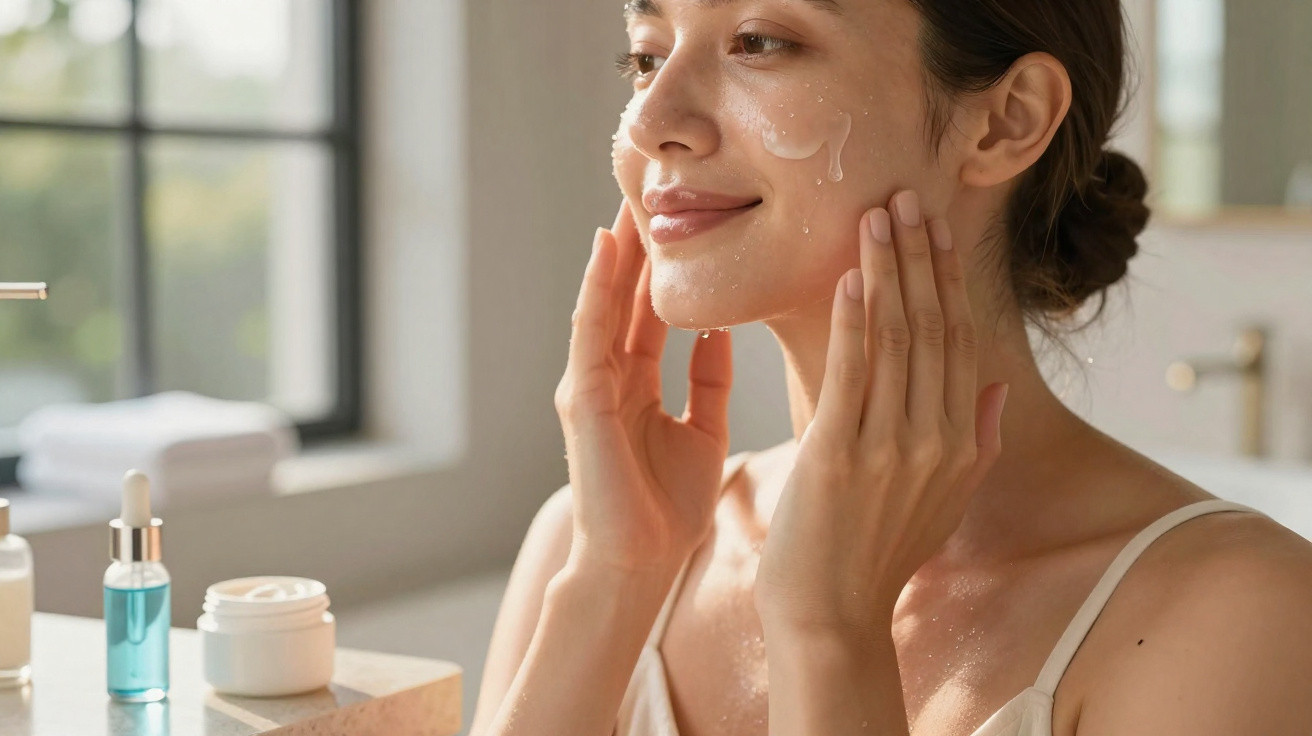
Anti-ageing products promising dramatic results fill chemists and pharmacies. With retinol, peptides and vitamin C boosters all competing for attention, it can be difficult to know what to choose. One La Roche-Posay serum is currently attracting particular interest: it uses no fewer than four forms of hyaluronic acid and, according to tests, is designed to leave skin looking visibly smoother and more plump, without a complicated routine or an aggressive approach.
What makes this La Roche-Posay hyaluronic acid serum different
La Roche-Posay’s Hyalu B5 Suractif Serum is intended for people noticing early or more established signs of skin ageing, including dehydration lines, reduced firmness and a dull complexion. Its aim is not simply to provide a short-lived plumping effect, but to support the skin’s structure progressively.
At the centre of the formula are four distinct forms of hyaluronic acid, each intended to work at a different level of the skin. This is precisely what sets it apart from many standard hyaluronic acid serums, which generally contain just one molecular size.
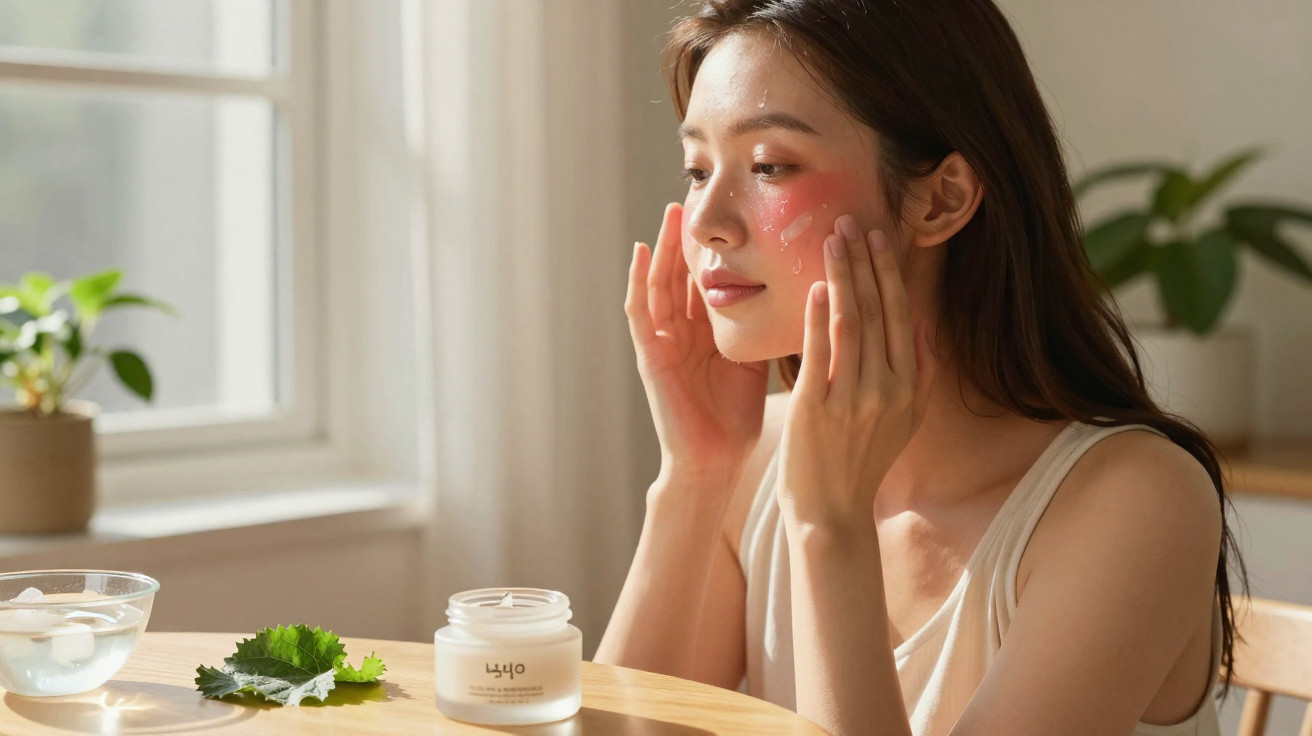
Four types of hyaluronic acid, combined with vitamin B5, are intended to soothe the skin at the surface while plumping it in deeper layers.
Four forms of hyaluronic acid, four roles
Depending on its molecular size, hyaluronic acid can perform very differently. The serum makes deliberate use of this:
- High-molecular-weight hyaluronic acid: This remains largely on the surface of the skin. It creates a fine moisture-binding film that supports the skin barrier. This may reduce feelings of tightness and make dehydration lines appear less noticeable.
- Medium molecular weight (encapsulated): This is paired with vitamin B5 (pantothenic acid). The combination is intended to reach deeper into the skin and encourage regeneration processes without causing irritation.
- Low-molecular-weight hyaluronic acid: This penetrates more specifically into the upper layers of the dermis. There, it is intended to bind water, make skin appear more plump “from within” and smooth the first fine lines.
- Micro-hyaluronic acid: These particularly small molecules are intended to work even deeper and compensate for age-related volume loss.
The formula also includes an active complex designed to stimulate the skin’s natural hyaluronic acid production and slow the breakdown of these naturally occurring moisture stores. The intention is therefore not only to hydrate from the outside, but also to help the skin build up its own reserves more effectively.
The effects users can realistically expect
La Roche-Posay bases its efficacy claims on instrumental measurements and clinical studies involving different groups of participants. The specific figures are a key reason the serum is receiving so much attention.
| Timeframe | Observed effect |
|---|---|
| After around 1 hour | Skin appears more plump and hydrated |
| After 14 days | Fine lines begin to look visibly smoother |
| After 1 month | More pronounced wrinkles appear reduced |
Immediately after application, testers report a noticeable “tightening effect”: skin feels firmer, the face looks fresher and make-up is less likely to settle into small lines.
Noticeably firmer after application, better hydrated after one hour and with smoother-looking lines after several weeks – that is what the serum is designed to achieve.
The published data examined different participant groups, including 24, 40 and 85 people. Measurements were taken using devices that objectively record skin hydration, wrinkle depth and elasticity.
Who is the Hyalu B5 Suractif Serum suitable for?
La Roche-Posay deliberately positions the product broadly: it is suitable for every skin type, including sensitive skin and all phototypes, from very fair to very dark skin. This matters because many anti-ageing ingredients, such as strongly dosed retinol, acids or highly concentrated vitamin C serums, can quickly lead to redness, stinging or flaking.
The serum is particularly aimed at the following groups:
- People with early dehydration lines that become more visible when their skin lacks moisture
- Those with more mature skin that is losing volume and firmness
- Sensitive skin that often becomes irritated by “harsher” anti-ageing ingredients
- Anyone looking for a simple, quick addition to their existing skincare routine
How to add the serum to your skincare routine
Its application is straightforward and practical for everyday use, which can be particularly helpful during a busy morning:
- Cleanse the face and pat it dry gently.
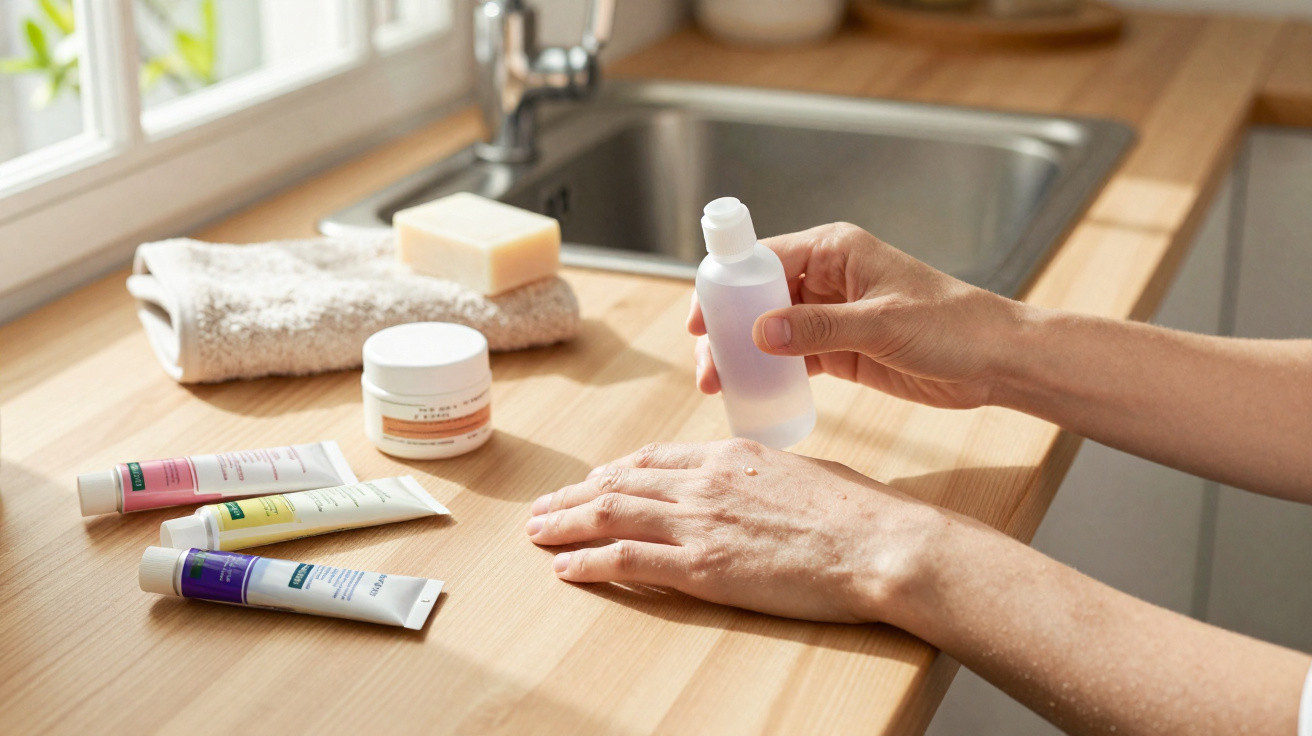
- Place a few drops of the serum in the palm of your hand.
- Apply a thin layer over the face and neck, and the décolletage if required.
- Allow it to absorb briefly, then apply a suitable moisturiser.
- Always use sun protection in the morning, particularly as part of an anti-ageing routine.
Its lightweight texture absorbs quickly without feeling greasy, making the serum suitable for use beneath make-up. Many people use it in the morning for its immediate effect and in the evening as a regenerative step after cleansing.
Price, positioning and managing expectations
At around €41, the Hyalu B5 Suractif Serum sits in the mid-range: it costs more than many high-street products, while remaining less expensive than numerous high-end luxury serums. Although the price may initially seem high, it reflects the complex formulation and clinical testing.
The serum does not claim to provide magical rejuvenation, but rather gradual improvements in hydration, smoothness and firmness.
People with realistic expectations are likely to appreciate this approach. Wrinkles will not disappear completely, nor will skin become “ten years younger”. Instead, the focus is on measurable, visible improvements: a smoother-looking surface, less pronounced dehydration lines and an overall fresher appearance.
The role of hyaluronic acid and vitamin B5
Hyaluronic acid occurs naturally in the body, especially in the skin, joints and connective tissue. Its levels decrease with age, reducing the skin’s ability to retain water. As a result, skin can look thinner and feel drier and less elastic. Although topically applied hyaluronic acid cannot make up for every loss, it can create a reservoir of moisture in and on the skin, helping it look plumper and smoother.
Vitamin B5, or panthenol, is considered soothing and supportive of regeneration. It helps the skin barrier, eases redness and improves resistance to external stresses such as cold weather, central-heating air or UV radiation, provided sunscreen is used alongside it. Combining a moisture boost with barrier support is intended to make skin less prone to dryness and tightness over the longer term.
Tips for combining it with other active ingredients
Many users already have established skincare products in their bathroom cabinet. The serum can be combined effectively with other active ingredients when a few basic rules are followed:
- With retinol: In the evening, apply the hyaluronic acid serum first, followed by a gentle retinol cream and then a rich moisturiser. Hyaluronic acid may help offset potential dryness.
- With vitamin C: In the morning, a vitamin C serum can be applied first, followed by the hyaluronic acid serum. This gives skin antioxidant protection as well as hydration.
- With acid exfoliants: After AHA or BHA exfoliants, use soothing, hydrating skincare. The hyaluronic acid serum fits well into this routine as long as the skin is not severely irritated.
People with very sensitive or compromised skin should introduce new combinations slowly, using them initially every two to three days to monitor how their skin reacts.
Risks and limitations users should understand
Although the serum was developed for sensitive skin, irritation can occur in individual cases, for example where the skin barrier is already compromised or several active products are used at once. Mild tingling immediately after application is not unusual, but persistent burning or marked redness should be taken seriously. In that case, pause the routine and, if in doubt, seek advice from a dermatologist.
There is another consideration: hyaluronic acid binds water. If the air is extremely dry and no occlusive cream is layered over it, this effect can, in rare cases, work in the opposite direction and leave skin looking even drier. For this reason, skin experts advise applying a finishing moisturiser after hyaluronic acid in dry indoor environments to lock moisture into the skin.
Those who keep these points in mind and recognise that a serum alone cannot work miracles will find the Hyalu B5 Suractif Serum from La Roche-Posay to be a thoughtfully developed product: technically sophisticated, clinically tested and designed to deliver steady, well-tolerated improvements in the appearance of the skin, without radical measures.





Comments
No comments yet. Be the first to comment!
Leave a Comment