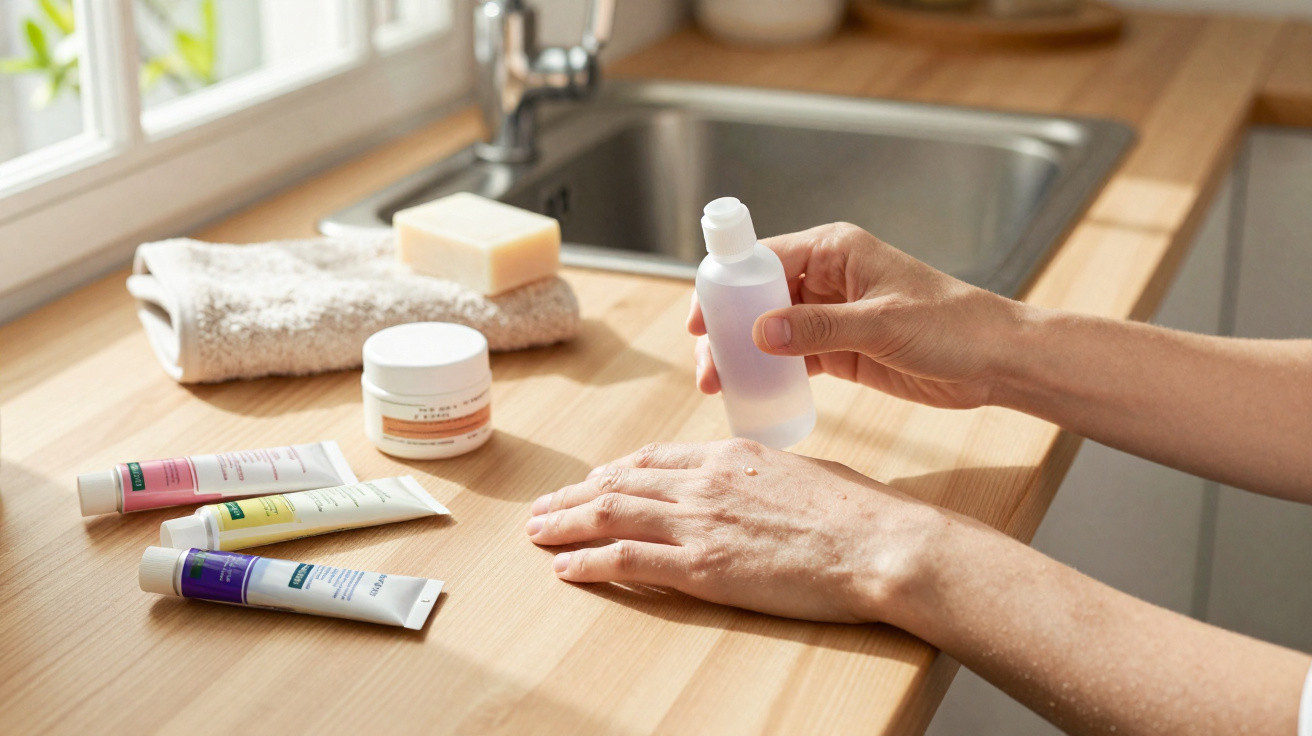
If your hands are constantly dry and cracked, the automatic response is often to reach for another rich hand cream. There is a spare tube in the bathroom, handbag and desk drawer. Yet, within a few hours, your fingers can feel dull, tight and brittle again. This is precisely where newer dermatological findings come in: soft hands are determined first not by cream, but by water, soap and the towel. Get these steps wrong and you are only treating symptoms, trapped in an expensive cycle of skincare.
The costly mistake: why using more cream can make matters worse
The usual reasoning seems straightforward: dry skin needs more oil. So the answer must be more cream, richer textures and more “intensive care”. In reality, this approach can easily become a dead end. Skin becomes accustomed to the constant supply of lipids and may feel tight as soon as no cream is applied. It can seem impossible to manage without repeatedly reapplying it.
This effect is generally not a “skin type problem”, but the result of an over-irritated skin barrier. Skin naturally has its own protective shield: the hydrolipid film, a blend of water and fats that sits over the surface like an invisible coat.
“If you damage your skin barrier every day while washing, no cream in the world can ‘repair’ it permanently.”
The issue therefore often starts long before hand cream enters the picture: at the sink, with an unsuitable cleanser and the wrong approach to water and towels. Changing these factors will usually mean needing far fewer skincare products while still having softer hands.
It starts at the tap: the right water temperature
Most people set the tap by instinct: very warm because it feels especially clean, or very cold because it seems “invigorating” or saves energy. From a dermatological viewpoint, neither option is ideal.
Findings from skin medicine show that water temperature directly affects the skin’s barrier function. The best range is around lukewarm: neither hot nor cold.
“Lukewarm water between around 30 and 35 degrees protects the skin barrier considerably better than hot or ice-cold water.”
Water that is too hot dissolves the protective fats in the skin’s upper layer. As a result, the skin loses more moisture, becomes rough and develops cracks more easily. Very cold water is less stripping, but brings a different drawback: many soaps lather and cleanse less effectively, so people rub for longer and more vigorously, increasing mechanical irritation.
A simple practical guide is this: if the water feels comfortably lukewarm, with no steam rising and no sensation that your fingers are “burning”, it will generally be within a skin-friendly range. Deliberately setting the mixer tap to this temperature each time reduces the strain on your skin with every hand wash.
Soap as a gamechanger: which bar truly protects the skin
The washing product matters just as much as temperature. Traditional soaps and harsh hand-wash gels may cleanse thoroughly, but they are often far too aggressive. Many have an alkaline pH and contain surfactants that reliably dissolve fats, including the ones the skin urgently needs.
Dermatologists are therefore increasingly recommending so-called super-fatted soaps, often described as “soap with extra care” or “surgras”. They contain added nourishing oils or fats that leave a light protective layer on the skin during washing.
“A gentle, super-fatted soap can reduce moisture loss during washing by up to half.”
Typical nourishing ingredients include:
- Almond or jojoba oil
- Shea butter
- Glycerin, which helps retain moisture
How can you recognise a suitable soap? A few straightforward signs can help:
- After rinsing, hands feel smooth rather than “squeaky clean”.
- No pronounced feeling of tightness develops a few minutes after washing.
- The ingredients list contains mild surfactants where possible; aggressive ingredients such as Sodium Lauryl Sulfate should be avoided.
Choosing this type of product at the washing stage considerably reduces the need for subsequent skincare. Cream then becomes an extra, rather than a plaster for daily damage.
The overlooked problem: how drying hands incorrectly damages skin
After washing, people usually act quickly: a brief rub on a fabric towel roll or terry towel, and that is it. But this rubbing acts like sandpaper on skin that has already been softened by water. Tiny injuries, redness and irritation can follow, particularly across the knuckles and between the fingers.
A gentler method is to pat hands dry with a clean towel. Do not wipe or pull the towel over the skin; instead, place it on the hands, press lightly, then lift it away. This takes only a few extra seconds but spares your skin unnecessary stress every day.
“Patting hands dry after washing rather than rubbing them prevents many micro-injuries and, in turn, dryness.”
There is another important point: allowing damp fingers to air-dry may seem convenient, but it draws additional moisture from the skin. As water evaporates from the surface, it “pulls” moisture from the upper skin layers with it. Hands should therefore be dried properly, including between the fingers. Moisture left there can lead not only to cracks, but also to soft, swollen skin that reacts more sensitively.
Why springtime puts particular stress on hands
Many people expect dry skin during winter, but assume the worst is over in spring. The reality is different. The contrast between cool mornings and milder afternoons puts pressure on the skin’s circulation and ability to adapt. Spending more time outdoors, gardening or coming into contact with soil, tools or pollen exposes hands to further stresses.
The result is that rough patches and cracks can return in spring, even though the heating is already used less often. Clinical tests show that simply adjusting washing and drying habits makes skin noticeably more resilient during this period, sometimes without any additional specialist skincare at all.
A minimalist routine: glycerin instead of five different creams
Once you adjust water, soap and towel habits, there is no need to give up hand cream entirely, but much less of it is needed. The emphasis changes from “constantly topping up” to “providing targeted support”.
One example of a streamlined, practical everyday routine is:
- Wash hands with lukewarm water.
- Use a mild, super-fatted soap.
- Pat dry thoroughly but gently with a towel, including between the fingers.
- Apply a thin layer of a simple glycerin hand cream in the evening.
Glycerin holds water in the upper layers of the skin. When the skin is intact and not continuously over-irritated, an evening application is often enough to keep hands pleasantly supple throughout the following day.
“A single glycerin cream in the evening can make several tubes of ‘emergency hand cream’ during the day unnecessary.”
Many people report that, after a few weeks of this minimal approach, they hardly feel the need to use cream during the day. Their skin seems more resilient, irritation occurs less often, and expensive specialist products gradually disappear from everyday use.
What terms such as skin barrier and hydrolipid film actually mean
To understand why these changes make sense, it helps to look at terms that frequently appear in skincare articles. The skin barrier is chiefly the outermost layer of the skin, the stratum corneum. It can be imagined as a wall: the bricks are the corneocytes, while the mortar is the fats between them. If this mortar is repeatedly removed through washing and rubbing, gaps form. Skin loses moisture through these gaps, while irritants can enter more easily.
The hydrolipid film lies over this layer as a fine coating of water and fats. It protects against germs, is mildly acidic and keeps the surface supple. Water that is too hot, aggressive soap or vigorous rubbing can destroy this film within seconds. A good routine therefore aims to disturb it as little as possible during washing.
Practical extra tips for everyday life
Anyone wishing to place even less strain on their hands can introduce several simple measures:
- When gardening or cleaning with detergents, wear thin cotton gloves underneath rubber gloves.
- Use hand sanitiser only where it is genuinely needed and, where there is a choice, opt for formulations containing conditioning ingredients.
- Keep one high-quality, simple formula in your handbag rather than five different creams.
- Do not apply cream immediately whenever you feel slight tightness; first consider whether your hands have been wet, cold or heavily used for a long time.
Paying attention to these details often reveals a change quite quickly: skin becomes less sensitive to wind, water and everyday stress. Rather than looking in the chemist for the next “even richer” cream, it is worth looking at the tap and the bar of soap. That is where genuine hand care begins, and where small adjustments can achieve a surprising amount.















Comments
No comments yet. Be the first to comment!
Leave a Comment