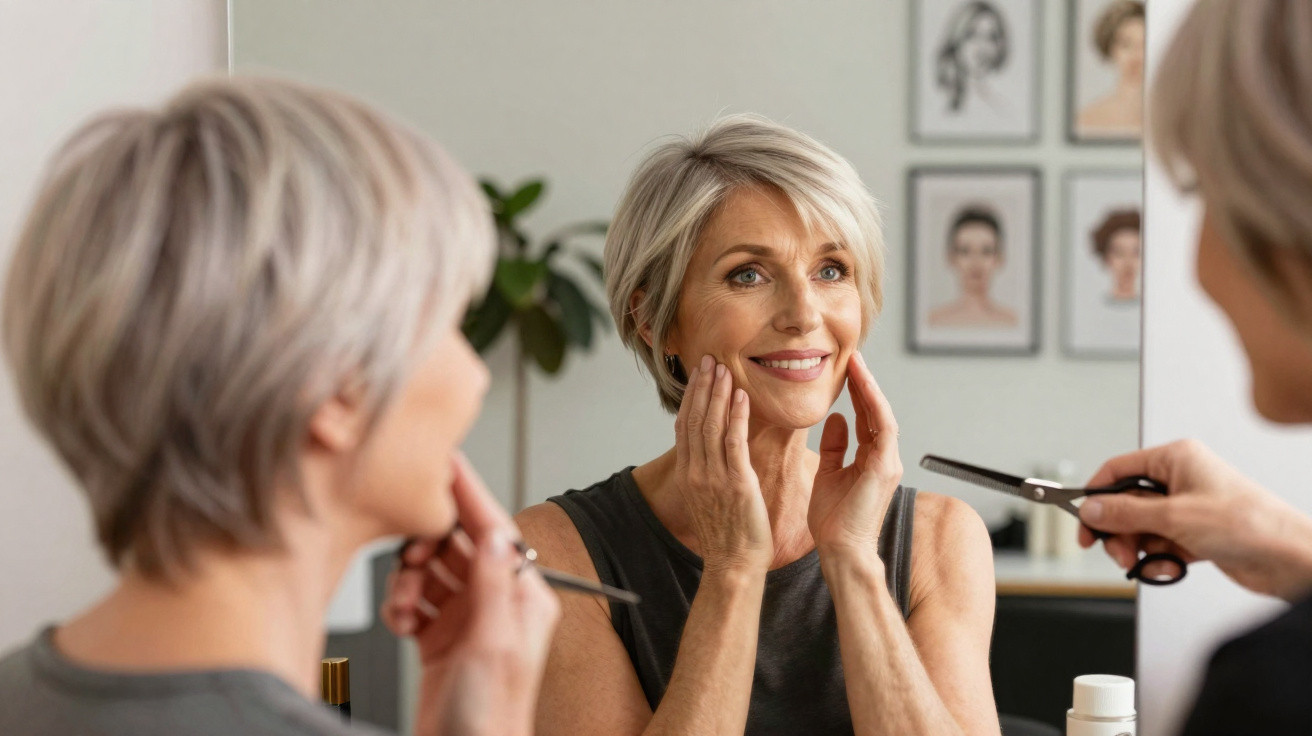
Many women hope that, after their 50th birthday, a fresh short haircut will make them look younger – only to choose the very style that makes them appear older.
A salon appointment is often meant to feel liberating: less effort, more ease and a contemporary appearance. Yet an experienced stylist warns that one particular type of short haircut can highlight fine lines, make facial contours look harsher and strip the hair of all fullness. Cutting hair off drastically may therefore add years visually rather than take them away.
Why many women over 50 choose short hair
Menopause changes not only the skin, but the hair as well. It can become finer, drier and greyer. Many women find long hair demanding at this stage: blow-drying takes ages, the ends look straw-like and a ponytail appears thinner than it once did.
- Grey or white hairs become more common.
- The hair texture can seem finer and more fragile.
- The face loses some of its firmness.
- The desire for an easy-care hairstyle increases.
A short cut can therefore seem like the obvious answer: low-maintenance, sporty and, hopefully, “more youthful”. This is exactly where the problem can begin. Convenience and habit can quickly lead to a standard short hairstyle that resembles a pensioner look more than relaxed chic.
The short-hair trap: when an ultra-short cut makes the face look older
Hairdressers repeatedly see the same mistake: the hair is cut extremely short, kept almost the same length all over, sitting close to the head, with no fringe and no softer sections to frame the face. In professional terms, this is a particularly severe version of a pixie cut – but without modern texture.
“It becomes problematic when a short haircut is equally short everywhere, clings flat to the head and offers no framing for the face.”
This creates several effects that can make the face appear older:
- No volume at the crown: Hair looks flat and thin, while every gap along the hairline becomes noticeable.
- An unobstructed view of wrinkles: The forehead, crow’s feet and a softening chin become the entire focus.
- Harsh definition: Without wispy or longer sections around the cheeks, the face loses its soft framing.
- The helmet effect: Styling the hair sleekly backwards or to the side can create the visual impression of a rigid cap.
This is particularly noticeable with very light or grey hair, as the scalp can show through when the hair is ultra-short and lying smooth against the head. In photographs, the result can look more severe and older than it appears in the mirror.
How facial features change after 50 – and why hair matters
As we age, the skin becomes less elastic, the fatty tissue beneath it shifts slightly and the jawline softens. All of this is entirely normal, but it changes how hairstyles work on the face.
A very short cut without textured sections can draw attention to:
- Lines across the forehead
- A chin that appears lower or more angular
- Downturned corners of the mouth
- The neck and nape area
When there are no soft transitions around the hairline, attention goes straight to the areas one may prefer to soften visually. Hair can act like a picture frame: it can direct the eye towards the eyes and cheekbones, or towards features one would rather disguise.
“The wrong short haircut acts like a spotlight on forehead lines and a tired-looking chin – the right one directs all attention to the eyes.”
Which short haircuts after 50 can genuinely look younger
The good news is that short hair can look remarkably rejuvenating when the cut and styling are chosen carefully. Stylists primarily rely on three things: volume, movement and facial framing.
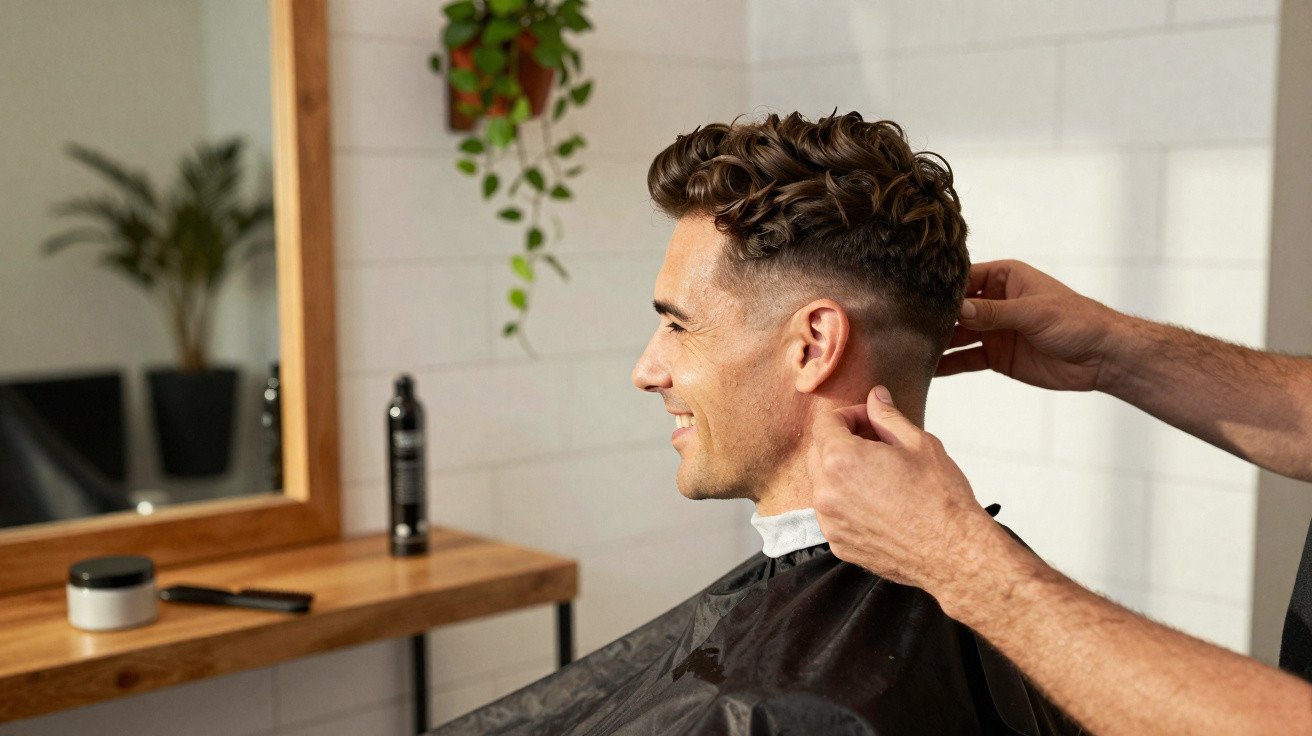
Grown-out pixie: a relaxed short look
A so-called grown-out pixie resembles a pixie cut that has had a few weeks to grow out. It remains short but looks considerably softer:
- More length at the sides and around the nape
- A soft fringe or longer front section
- Loose volume at the crown
This produces a look that remains sporty and contemporary while gently framing fine lines and a softer jawline. A little texturising paste can define individual strands without making the hairstyle look overly styled.
Bixie, short shag and more: trend hairstyles that soften the face
Many hairdressers now recommend hybrid styles between a bob and a short cut to avoid a severe granny look:
- Bixie: A blend of bob and pixie, with extra length, especially around the ears and nape. It is ideal for fine hair that needs more fullness.
- Short shag: A layered short haircut with wispy sections, plenty of movement and a lightly tousled texture. It looks youthful, lively and not too polished.
- Mixie: A combination of pixie and mullet, shorter at the front and slightly longer at the back, with very soft transitions. It works well with natural waves.
“The more movement and varying lengths are involved, the fresher, more vibrant and softer the face appears.”
How to tell in the mirror whether your cut looks younger
A practical test at the salon or in front of the mirror can help with the assessment: do your eyes draw attention first, or does your gaze go instead to the forehead and chin? The right short haircut automatically guides the eye towards the eye area.
If the forehead seems too prominent or the jawline is strongly emphasised, the style is most likely lacking:
- Length through the fringe or side sections
- Loose volume at the crown
- A gently layered outline around the cheeks and chin
Often, only small adjustments are needed – a few softer layers, a side-swept fringe or more texture – to make the same cut considerably more flattering.
Styling tricks women over 50 with short hair should know
Even the best cut loses its effect if styling turns it back into a helmet. With short hair in particular, a small amount of effort can make a major difference.
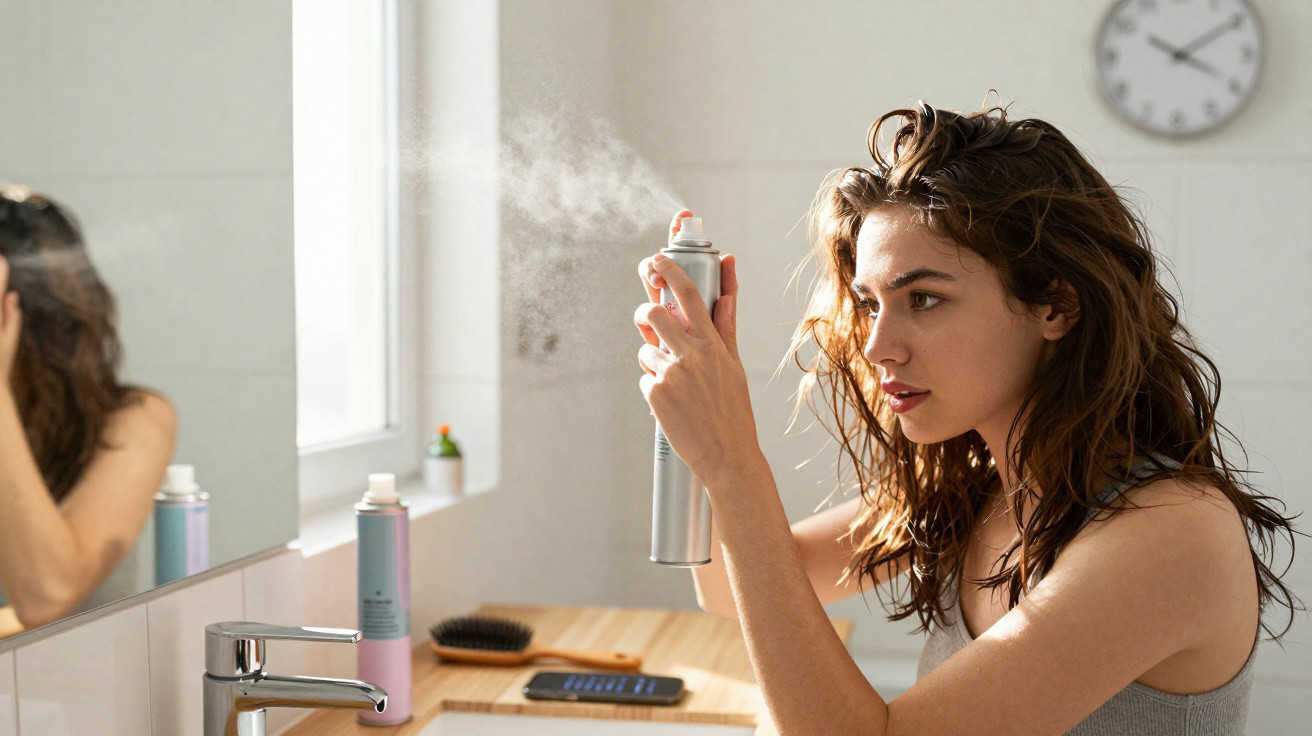
- Volumising mousse or spray applied directly at the roots stops hair from clinging to the scalp.
- Blow-drying against the direction of growth gives hair more lift, especially at the crown.
- Texturising pastes or lightweight waxes define individual strands without making everything sticky.
- Vary the side parting: A slightly off-centre parting looks softer than a rigid centre parting.
Anyone with natural waves should not straighten them out, but make deliberate use of them. Light curls or waves naturally add softness to the face and bring movement to the overall look.
What to consider when speaking to your hairdresser
Many unflattering short haircuts are simply the result of poor communication. “Just cut it all off, I want something low-maintenance” – with this sentence, clients can unknowingly set a trap for themselves. It is better to describe the effect you want to achieve, rather than focusing only on length.
Useful points to raise during the consultation include:
- Bring photos showing shapes and outlines you like, not only hair colours.
- Clearly explain which facial features you would like to highlight, such as the eyes or cheekbones.
- Speak openly if you are worried about ending up with a “granny cut”.
- Ask about building volume and adding layers, rather than requesting an “evenly short” cut.
“Anyone who discusses the effect, volume and facial framing will usually receive a far more flattering haircut than someone who simply asks for ‘short and practical’.”
Grey hair, colour and texture: what enhances the rejuvenating effect
The cut is only one component. Colour and texture can greatly strengthen the overall impression. Fine highlights in warm or cool tones, matched to the skin tone, add depth to the hair. Particularly with very short hairstyles, tonal variation prevents the hair from looking too solid or one-dimensional.
Those who embrace their natural grey can use glossing treatments, silver shampoos or subtle semi-permanent colour to add shine and clarity to the shade. Glossy, well-cared-for hair – whether grey, blonde or brown – automatically makes the face look fresher than a dull, lacklustre head of hair.
Ultimately, it is the combination of cut, colour, styling and personality that matters. Short hair can look incredibly modern at 50, 60 or 70. The crucial point is that it frames the face, provides volume and allows movement, rather than exposing every feature mercilessly.









Comments
No comments yet. Be the first to comment!
Leave a Comment