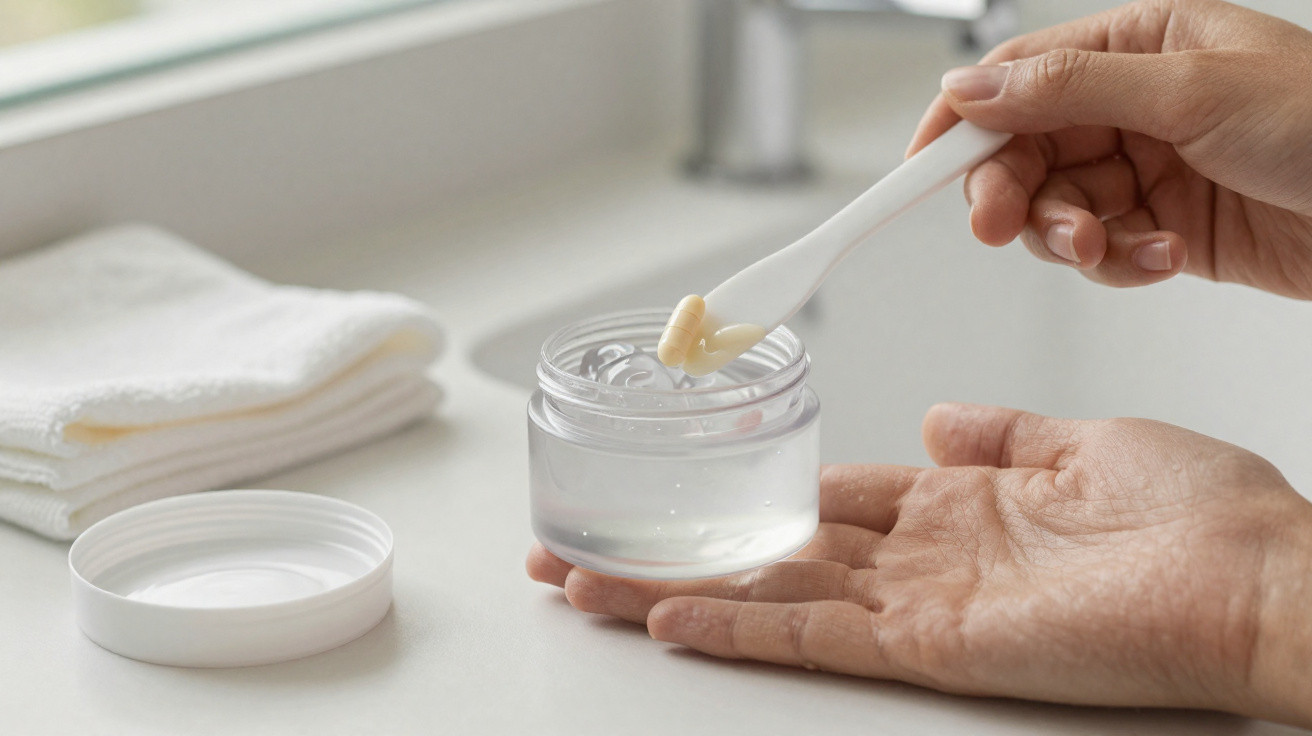
A moisturiser should be the easy part of a routine, yet it is often where things go wrong: a rich cream can leave skin greasy by lunchtime, while a light gel may not feel comfortable on dry patches. The appeal of this Mercadona cream-gel is its mixed texture, combining a watery gel with small cream capsules for a fresher finish that still feels cushioned.
The important point is to treat it as a moisturiser, not a miracle product. Niacinamide and collagen can be useful additions to a formula, but whether this cream-gel works for you will come down to your skin type, the rest of your routine and how comfortably your skin tolerates it.
What is different about the cream-gel?
This style of product combines two textures in one jar: a translucent gel and small cream capsules. You take a little gel with a capsule, blend them together and apply the mixture to the face.
The gel gives the product a cool, lightweight feel, while the cream element adds softness and slip. For anyone caught between moisturisers that feel too heavy and gels that feel too light, that balance may be the main attraction.
Although products may be marketed as suitable for all skin types, that should not be taken as a guarantee. Very dry, reactive or acne-prone skin can have particular needs, and anyone using prescribed skin treatments should introduce new products with care.
The best moisturiser is not necessarily the one with the longest ingredient list; it is the one your skin can use comfortably and consistently.
Niacinamide and collagen: what they can realistically do
Niacinamide is a form of vitamin B3 commonly used in skincare. It is often included in products intended to support the skin barrier, which helps reduce water loss from the skin’s surface. When the barrier is in good condition, skin may feel less tight and look smoother or less dehydrated.
It is also used in products aimed at improving the appearance of uneven tone and excess shine. However, a name on the front of a jar does not reveal the ingredient concentration, the full formula or how an individual’s skin will respond. Give any new product time, but do not expect overnight changes.
Collagen needs equally sensible expectations. Collagen is naturally present in skin and helps give it structure, but applying collagen in a moisturiser is not the same as replacing collagen within the skin. In a topical product, it may contribute to a smoother, softer surface feel as part of the overall formula.
Neither ingredient replaces sunscreen, and neither should be expected to permanently firm the skin or erase lines.
Who might like this texture?
A gel-and-capsule moisturiser may suit someone who wants hydration without the dense finish of a traditional cream. It could be especially pleasant during colder months, when wind outdoors and central heating indoors can leave skin feeling uncomfortable.
You may enjoy it if you:
- prefer lightweight products that spread easily;
- like the refreshing feel of a gel but want a softer finish;
- find heavy creams uncomfortable under make-up or sunscreen;
- want a simple moisturising layer after a hydrating serum;
- have normal, combination or mildly dehydrated skin.
Very dry skin may need something richer, especially at night or during winter. A fragrance-free cream with a more occlusive texture can sometimes be more comfortable for dry areas.
If you are prone to spots, do not assume that a gel texture will automatically suit you. Try the product gradually and stop if you notice persistent congestion, irritation or new breakouts that seem linked to its use.
How to apply the gel and capsules
Jar packaging needs clean handling. Use the supplied spatula if there is one, rather than repeatedly dipping in with your fingers, and close the lid as soon as you have taken what you need.
1. Cleanse without overdoing it
Wash with a cleanser that suits your skin, then pat dry. Avoid scrubbing or trying to achieve a squeaky-clean feeling, which can leave skin feeling stripped.
2. Keep other steps simple
Apply any hydrating serum or treatment before moisturiser. If this is a new product, avoid starting several new actives at the same time; it makes it much harder to work out what is causing irritation.
3. Take a small amount of each texture
Using a clean spatula, lift one capsule with a small amount of gel. You may need more or less depending on the product instructions and the area you are covering, but begin with less than you think you need.
4. Blend in your palm
Gently press the capsule into the gel with a clean fingertip. It does not need to become perfectly smooth before application; the textures will continue to blend as you spread them over the skin.
5. Apply gently
Smooth the mixture over the face and, if your skin tolerates it, the neck. Press lightly over any drier areas rather than rubbing vigorously. Let it settle before applying make-up or sunscreen.
Where it fits in a morning routine
Hydrated skin can look more luminous, but a bright finish is not sun protection. When you are going outdoors, use a broad-spectrum sunscreen that is appropriate for your skin and follow the label instructions for application and reapplication.
A simple morning order is:
- Gentle cleanse, or a rinse if that suits your skin.
- Optional serum or treatment.
- Cream-gel moisturiser.
- Sunscreen as the final skincare step.
If your sunscreen already feels moisturising enough, you may not need an additional moisturiser in the morning. If it leaves your skin feeling dry, a light layer of cream-gel underneath may improve comfort. Allow each layer to settle to reduce pilling.
A healthy-looking glow usually comes from comfortable skin, sensible sun protection and a routine you can maintain - not from adding more and more active ingredients.
Common mistakes to avoid
The capsule format is straightforward, but a few habits can make it less pleasant or less hygienic.
- Using too much. A thick layer can feel sticky, pill under sunscreen or make make-up slide.
- Skipping sunscreen. A luminous cosmetic finish does not provide UV protection.
- Introducing several products together. Starting acids, retinoids, vitamin C and a new moisturiser in one week makes reactions difficult to identify.
- Using wet or unwashed hands. Keep the spatula clean, avoid contaminating the jar and replace the lid promptly.
- Expecting topical collagen to rebuild facial collagen. Think of it as part of a moisturising formula, not a structural anti-ageing treatment.
- Persisting through irritation. Stinging, swelling, a rash or persistent redness are signs to stop using the product.
Patch testing and safety notes
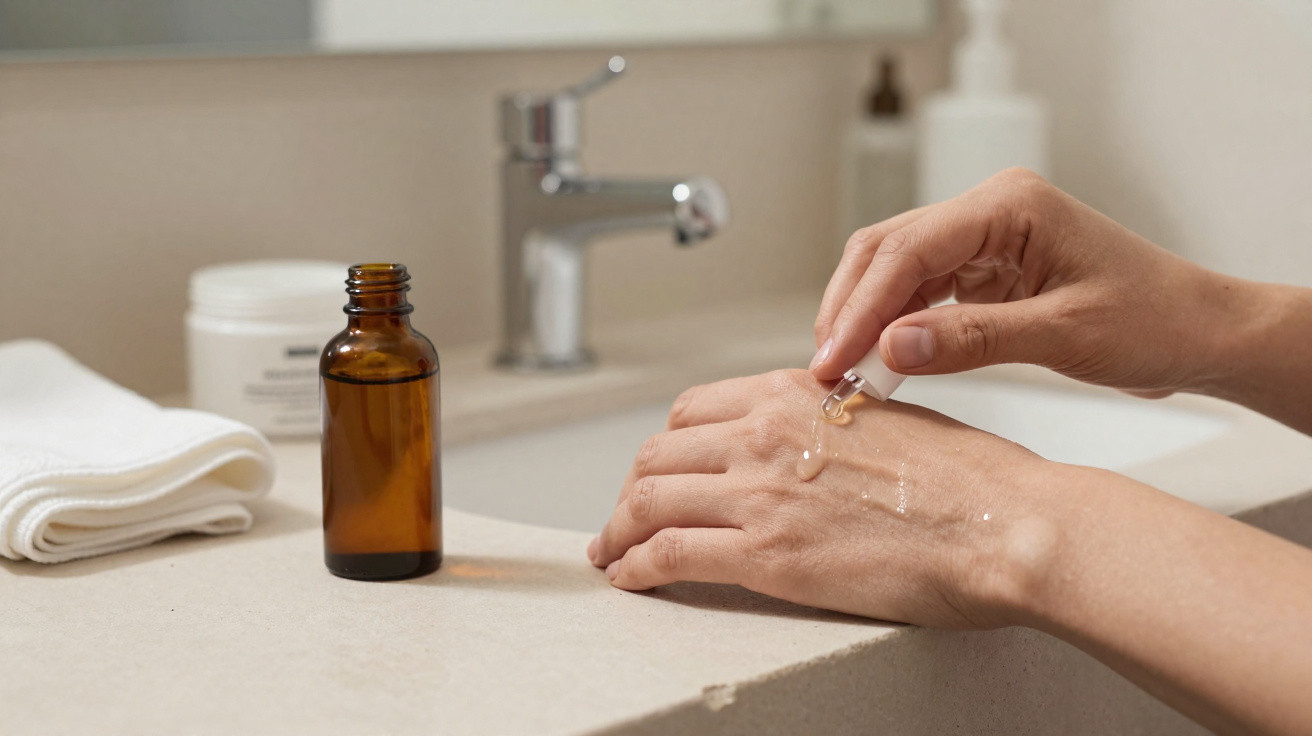
Patch testing can help, although it cannot guarantee that your facial skin will not react. Apply a small amount to a discreet area, such as behind the ear or along the jawline, and leave it on as directed. Watch the area over the next day or two for itching, burning, swelling, a rash or continuing redness.
Do not use the cream-gel on broken, sunburnt or actively irritated skin. Stop using it if it causes a strong sting or a continuing reaction. Seek advice from a pharmacist, GP or dermatologist if symptoms are severe, widespread, affect the eyes or do not settle.
Take extra care if you have eczema, rosacea, known cosmetic allergies or are using a prescribed treatment for your skin. Keep the jar away from direct heat and sunlight, and do not share it with others.
Buying it in the UK
Mercadona is primarily a Spanish retailer, so availability of specific Deliplus products in the UK can be limited. If you find this cream-gel through an online marketplace or importer, check that the seller is reputable and that the item is sealed.
Look for a clear ingredients list, batch information and a legible expiry date or period-after-opening symbol. Avoid products with damaged packaging, an unusual smell, visible separation or missing labelling.
The practical attraction of this product is its gel-and-cream texture rather than a promise of dramatic change. If you enjoy the finish and your skin remains calm, it can be a pleasant final hydration step. If it does not suit you, a straightforward gel-cream moisturiser that your skin tolerates well can serve exactly the same purpose.








Comments
No comments yet. Be the first to comment!
Leave a Comment