
By 7:40 a.m., the bathroom resembles a minor crime scene. A round brush lies on the floor, a half-snapped comb sits in the sink, and a tense, all-too-familiar knot is building at the base of your neck. You went to bed on “clean hair day”, which somehow ensures you wake up with a rat’s nest. You already know you are five minutes late, yet your hand pauses over the hairbrush as though it were a weapon. One false move and you are yanking, breaking strands and muttering under your breath.
The mirror is honest: this is not merely frizz, but proper tangles. The sort that snag on earrings and cling to a scarf. The sort that genuinely hurt.
Some hairdressers insist it need not be this way.
The haircut that discreetly changes everything
Speak to an experienced stylist and you will hear a consistent message: your haircut affects the way your hair tangles. It is not just shampoo or serum; it is the actual structure of the cut. Many adults still have the same length and style they picked at 16, despite their hair texture, routine and tolerance for upkeep having changed entirely.
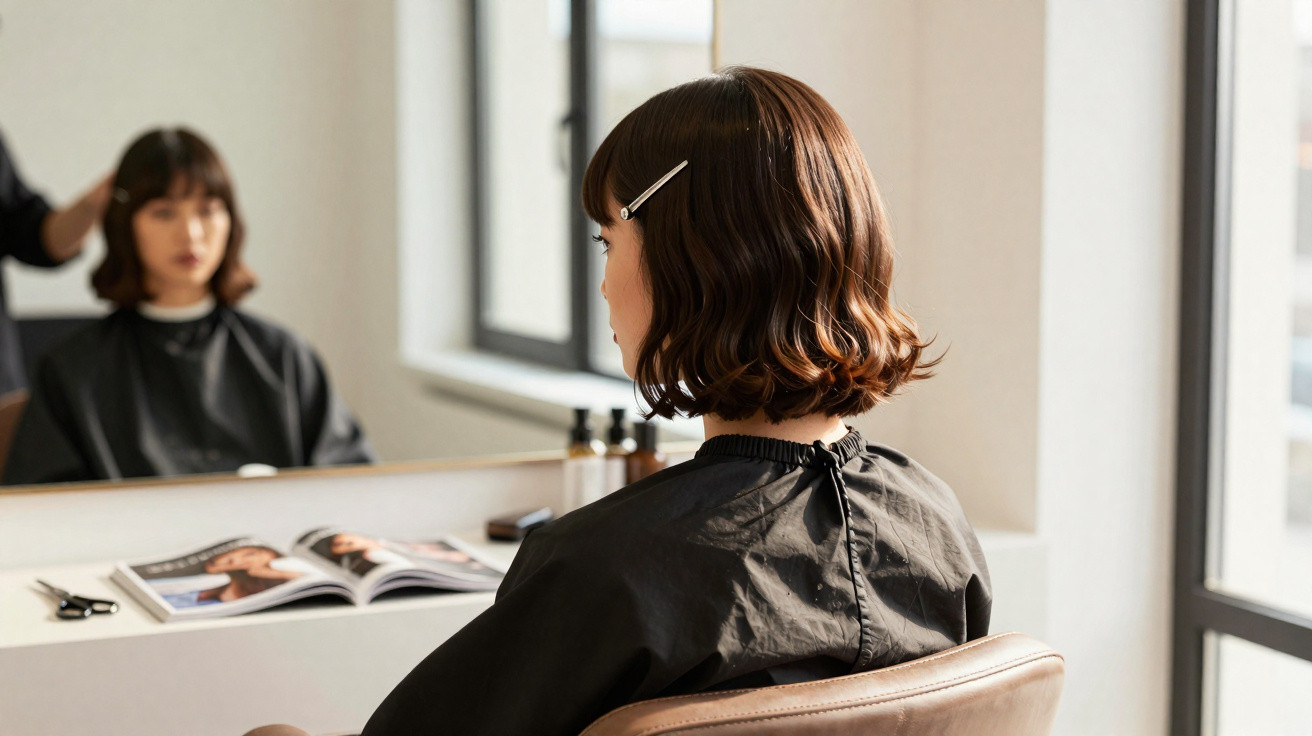
For hair that knots readily, many hairdressers now suggest a structured, mid-length cut with soft, internal layers. This does not mean dramatic layering or an extreme bob, but a considered, gently tailored shape. It provides enough freedom of movement without creating disorder.
It may sound technical, but day to day it simply means less struggle and more slip.
A Paris stylist told me about a client who arrived close to tears. Her hair was thick but fine and reached her shoulder blades. Every wash day meant spending 25 minutes detangling it. She had tried everything: oils, masks, silk pillowcases and sweet-smelling detangling sprays. Nothing altered the morning battle.
The stylist proposed taking the length to just above the shoulders, removing the finest and most vulnerable ends, then adding very subtle “ghost layers” internally. There were no obvious steps and no striking transformation at first sight. Instead, the weight was redistributed and some of the density released.
Two weeks later, the client returned not because she needed another correction, but to say: “I can finally brush my hair without planning it into my schedule.”
This is what is happening beneath the surface. Very long hair cut in a largely straight, weighty line can create a sort of “curtain”. The strands are constantly rubbing against clothing, collars and car seats. Its ends, which are often older and damaged, act like Velcro. From wind to handbags, everything can become a tangle-making device.
A mid-length style, ranging from the collarbone to just above the shoulders, cuts down on those friction points. Hair remains long enough to feel feminine or playful, while being short enough to avoid continually catching beneath a backpack strap. Fine, concealed layers within the cut reduce excess bulk and help prevent strands winding around one another like cables in a drawer.
It is not magic; it is geometry.
How hairdressers create a “low-tangle” haircut
Most professionals assess three factors first: where the hair naturally bends, where it experiences friction and where it splits. They observe the way it settles when dry, rather than only when wet. With tangly hair, the aim is a cut that follows your natural fall instead of fighting it. That is why many stylists advise a blunt or softly blunt baseline at collarbone level, with lighter shaping through the interior.
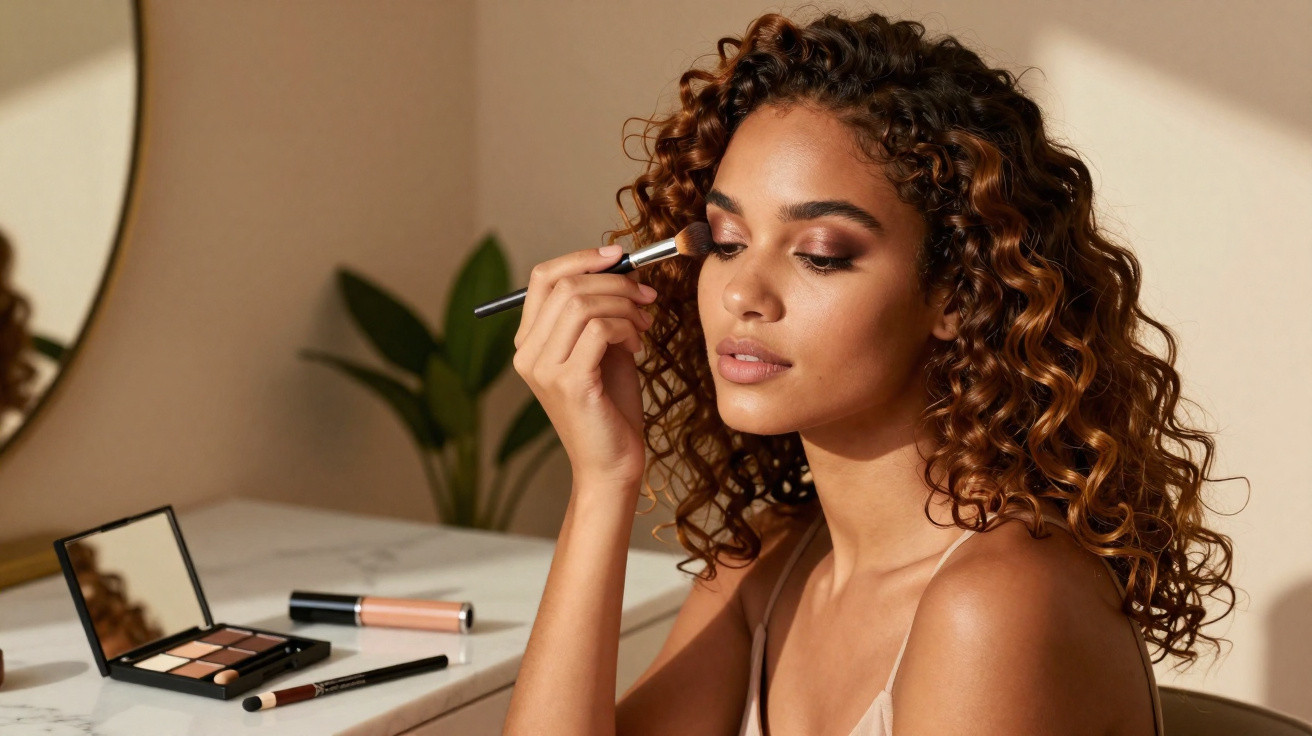
For very fine hair that is prone to knots, they commonly avoid heavy, aggressive layering around the ends. Rather than that, they remove small amounts of weight through the mid-lengths, leaving the ends a little fuller and less inclined to wind around each other. Specialists in curly or wavy hair often speak about “shape”: arranging curls into a rounded silhouette so individual strands are less likely to become isolated and tangled.
It is delicate work. Out in the world, it simply tends to look like you have “good hair days” more regularly.
Then there is the period after you walk out of the salon. A cut that produces fewer tangles is one matter; a routine that does not undermine it is another. Many hairdressers quietly admit that most knots begin in the shower. Wet hair is scrubbed back and forth with shampoo, then twisted into a towel like salad in a tea towel. It is hardly surprising that it ends in drama.
They often recommend a straightforward order: gently detangle before washing, use less shampoo, concentrate it on the scalp and allow the lengths to catch only the foam. Next, apply conditioner from the mid-lengths to the ends, working it through with your fingers as though combing. Rinse with your head tipped backwards, rather than upside down in a whirlpool of hair.
Honestly, hardly anyone manages this every time. Even so, getting it “right” for three washes out of five can alter the nature of your knots.
One colourist I spoke to summed it up in a single sentence:
“People think their hair is ‘bad’ when in reality the cut is bad… for their lifestyle. Hair that tangles easily is often just hair that’s been given the wrong job.”
Put hairdresser language into everyday terms and these are the recommendations many give for tangle-prone haircuts:
- Pick a length between the collarbone and shoulders if long hair consistently knots at the nape.
- Request internal or “ghost” layers rather than choppy layers, to reduce weight without thinning the ends.
- Steer clear of sharp V-shapes or exaggerated U-shapes, which can leave fragile, isolated ends.
- Retain some density along the bottom so the ends do not act like hooks.
- Book trims every 8–10 weeks to prevent split ends becoming tiny Velcro strips.
It is not about achieving “perfect” hair; it is about having hair that does not wear you out.
Living with hair that finally works with you
There is a subtle sense of relief on the first morning you wake with fewer knots than normal. You reach for the brush almost warily, expecting it to catch, and then... nothing. Or almost nothing. You begin to notice how much low-level stress you have carried about your hair for years. It is there in the small flinch when someone suggests an impromptu swim, or when the wind picks up and you think, “Great, that’s 10 minutes of detangling tonight.”
A haircut designed to tangle less does not alter who you are, but it can change the emotional background noise of your day. You spend less time in the bathroom, less time apologising to your hair and less time purchasing another supposedly “miracle” spray.
The most interesting part is that people seldom describe the difference by saying, “oh, you cut your hair shorter.” Instead, they say you look rested. Or lighter. They cannot quite identify the reason. You may not share a before-and-after picture. You may simply enjoy quietly running your fingers through your hair in the lift without encountering one hidden knot. That small, almost private ease can feel like a luxury you have finally given yourself.
| Key point | Detail | Value for the reader |
|---|---|---|
| Structured mid-length cut | Collarbone-to-shoulder length with a soft blunt base | Reduced friction against clothing and fewer tangles at the nape |
| Light internal layers | “Ghost” layers that take out bulk without thinning the ends | Smoother strand movement and fewer knots developing during the day |
| Gentle washing and care routine | Detangle before washing, condition the lengths and avoid rough towel rubbing | Helps the cut keep hair manageable between salon appointments |















Comments
No comments yet. Be the first to comment!
Leave a Comment