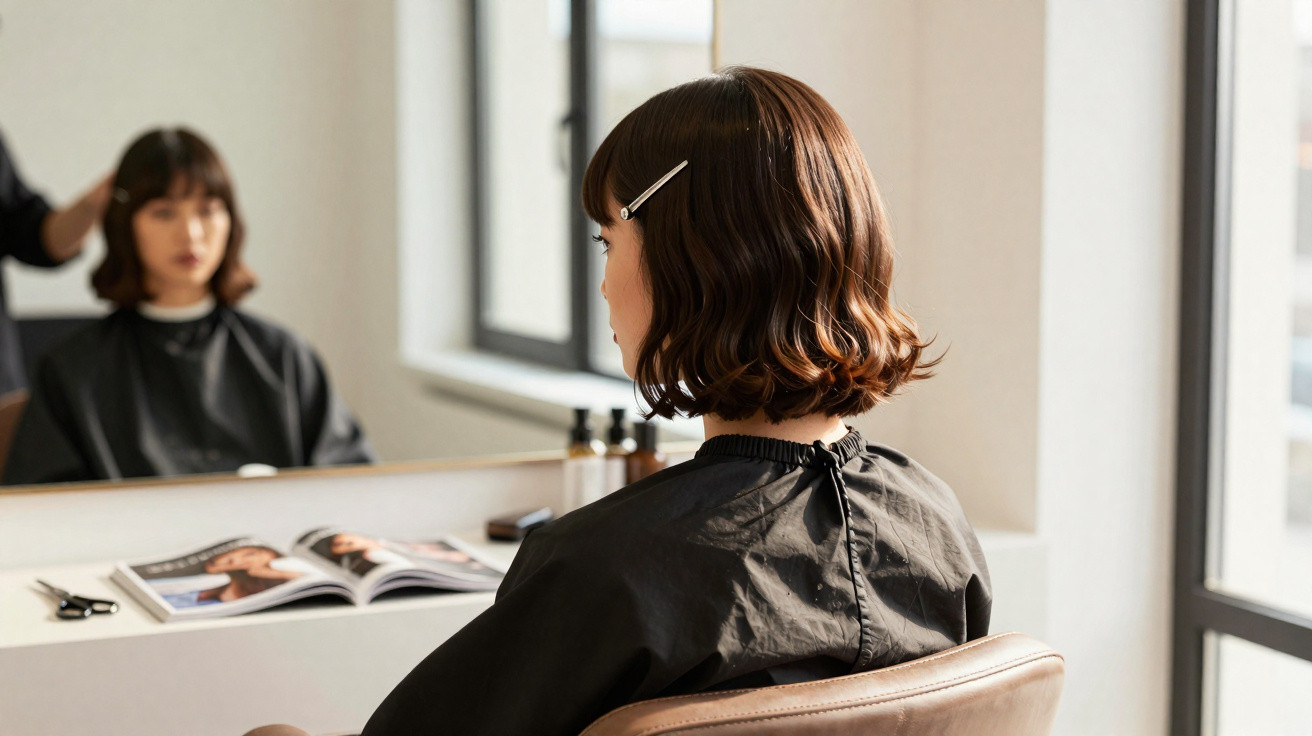
The stylist silently passes me their phone. On the screen: an endless sequence of Vogue covers, Reels and runway close-ups. Hair everywhere you look. It is almost hypnotic. I am still sitting in the salon with damp strands, the hairdryer roaring, someone laughing in the background – and suddenly I spot a pattern. The same cuts keep appearing, over and over again. Different colours, different faces, but the same attitude. The same quiet message: this is what hair looks like in 2024 when it is photographed in Paris, New York or Seoul.
We all know that moment when we realise our own hair has suddenly become “yesterday’s news”. It is not a disaster, but there is a small knot in the stomach. Vogue is like a mirror with a slight delay: it does not show what will be fashionable tomorrow, but what has long since become reality in the major cities. That is precisely what is happening with hairstyles this year.
The new bob: shorter, sharper and more self-assured
You only need to scroll through current Vogue editorials for a few minutes before the first major trend practically leaps from the page: the bob in every contemporary form. This is no longer a well-behaved chin-length bob, but a set of lines that can look almost architectural. Blunt cut, micro bob, French bob – the sides are precisely cut, while the edges are either razor-sharp or deliberately textured, but never accidental. It often sits just above, or exactly at, the chin. The nape is uncovered and the face takes centre stage. It feels as though half of Hollywood has shed its hair and declared: this is my moment now.
In Italian Vogue, the micro bob appears on models who look ready to step into a 1970s film, only with AirPods. In the American edition, a star wears an ultra-sleek glass bob that reflects the light like black glass. And in Vogue Paris? A French girl sits in a café with a fringe and softly feathered ends, her bob turned slightly under as if she had simply let it air-dry. One thing stands out: whether it is a fashion editorial or a beauty feature, the bob is nearly always present, acting as this year’s visual thread. One London editor called it backstage “the little black dress of hair”.
That makes perfect sense. A bob is short enough to feel radical, yet long enough not to cause panic. You can tuck it behind your ears, curl it, wear it pin-straight, part it in the middle or add a fringe. It photographs well from every angle, which matters greatly in Vogue editorials. It also suits that curious mood many people have carried since recent years: “I want a change” combined with “I need control”. Let us be honest: nobody visits the hairdresser every week or spends half an hour styling each morning – a precise bob still looks intentional on day three.
Effortless glamour: soft layers, expensive waves and barrettes everywhere
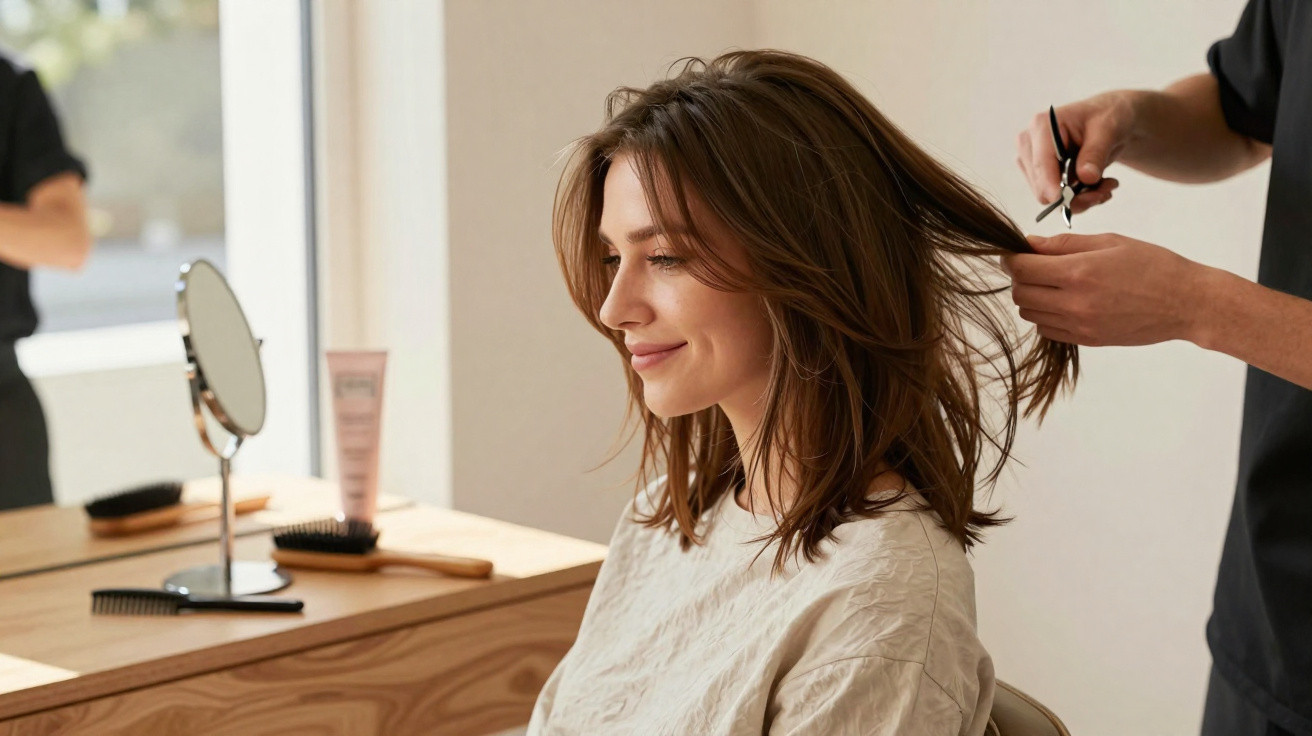
The second big trend running through almost every international edition is less drastic but at least as visible: long, gentle layers that resemble a “good hair day” on permanent repeat. This look is often called “expensive hair” – not because it requires an enormous budget, but because it suggests perfectly cared-for, luxurious everyday hair. Soft layers, subtle waves and barely noticeable transitions. Nothing harsh and nothing overly rigid. Hair that moves when you laugh and always seems to fall into place at the right moment in photographs.
In Vogue Korea, it is shown with a silky shine that is almost cartoonishly perfect, paired with minimalist fashion. Vogue Mexico places these soft layers on beaches at sunset: lightly salty, yet never frizzy. The British edition often styles the look with a deep side parting, immediately adding a touch of Old Hollywood glamour, but in a toned-down way. Interestingly, even street-style shoots in Paris and Milan repeatedly zoom in on this type of hair – as though an invisible director had whispered: “Make it softer, make it more expensive.”
Behind it is a fairly straightforward truth: this style sits at the intersection of Instagram, hair tutorials and genuine convenience. You do not need to be 20 to wear it convincingly, nor do you need to be an influencer. On fine hair, it works through clever layering; on thick hair, through carefully placed thinning. The line between “natural” and “styled” becomes blurred, which is exactly what appeals to so many people right now. Vogue also loves visually powerful hairstyles that instantly create emotion on a cover. These soft waves do precisely that, whether they fall to the chest or are “only” shoulder-length.
Fringes and power layers: the face in focus, the story in the gaze
Anyone flicking through different international editions soon notices that this year, very little happens without a fringe. Curtain bangs, Birkin bangs and micro fringe styles all bring the forehead into play in one way or another. Above all, the lightly thinned, softened fringe that parts in the centre or falls loosely to either side is dominant. It frames the face, amplifies every expression and immediately gives an image more of a “story”. Vogue loves this because a face with a fringe simply communicates more than a completely unobstructed forehead.
The French edition features the classic Bardot-inspired fringe flowing into soft lengths. Vogue Japan celebrates the micro fringe – extremely short and almost graphic on smooth hair, giving the whole editorial a futuristic edge. Then there are the “shag” versions in the Australian and American editions: softly layered lengths, a textured fringe and a hint of grunge, all maintained with expensive products. We know those images in which someone looks as if they have just got out of bed – while knowing exactly how much work lies behind the effect.
One reason the fringe is so prominent this year is that it works like a filter for the face. It disguises tiredness, draws attention away from small irregularities and makes every photograph more intense at the same time. Editors like to say that models with fringes remain in the memory for longer on a cover. Hair across the face creates intimacy, even on paper. For those of us outside the Vogue world, it is the smallest possible big change: not a complete haircut, but a new silhouette in the mirror. Anyone wanting a change without cutting everything off will almost automatically arrive at some kind of layers or fringe this year.
Bringing Vogue hair trends into real life
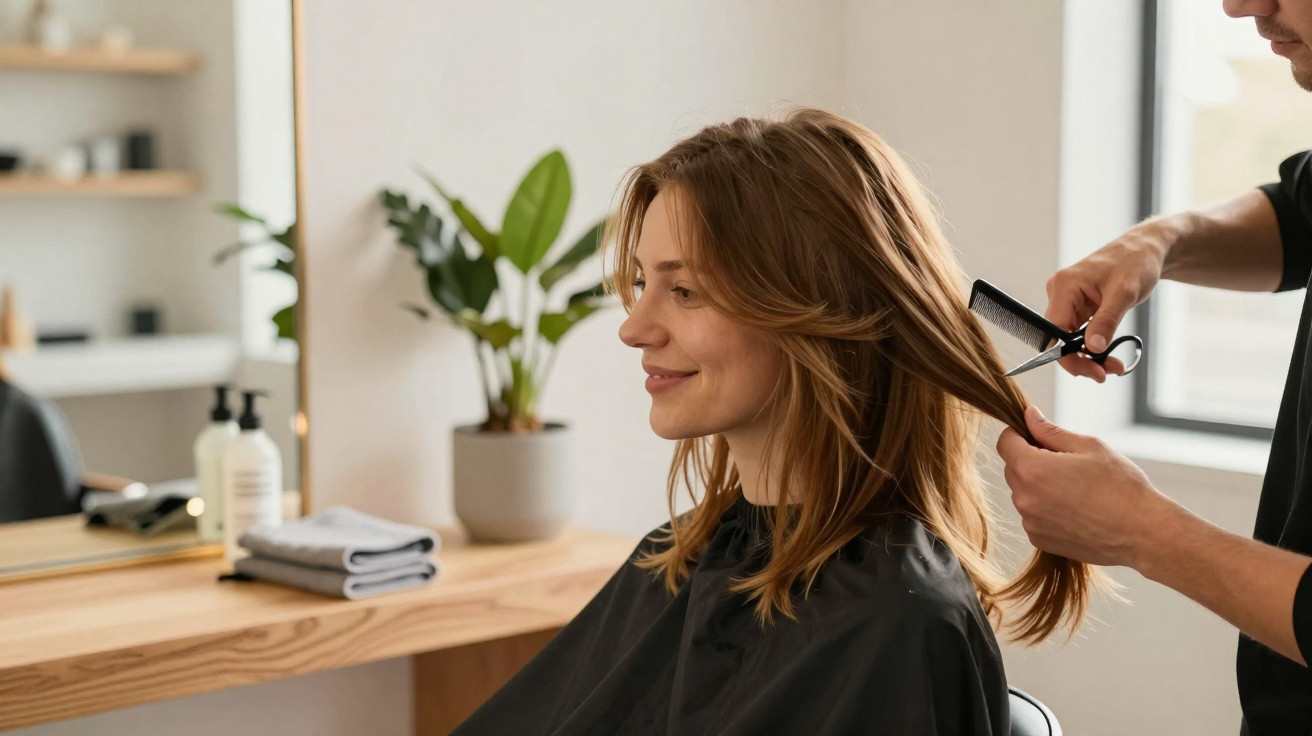
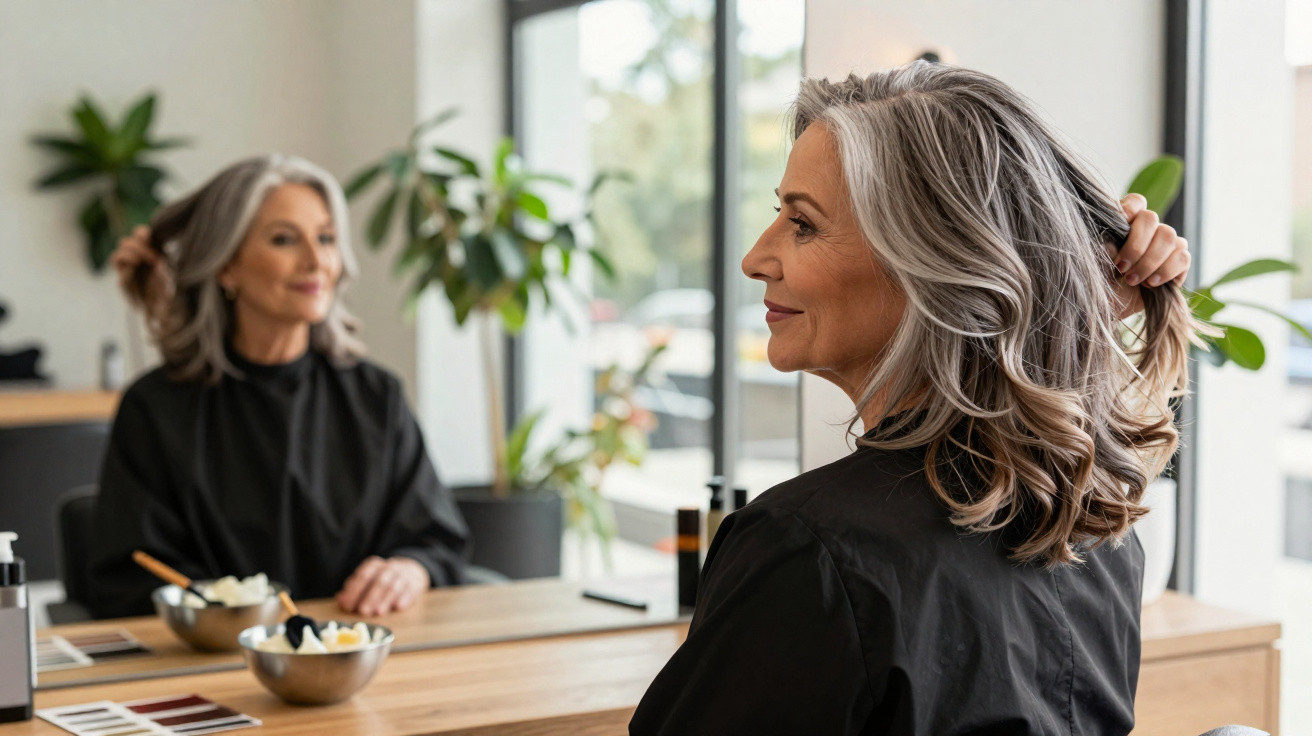
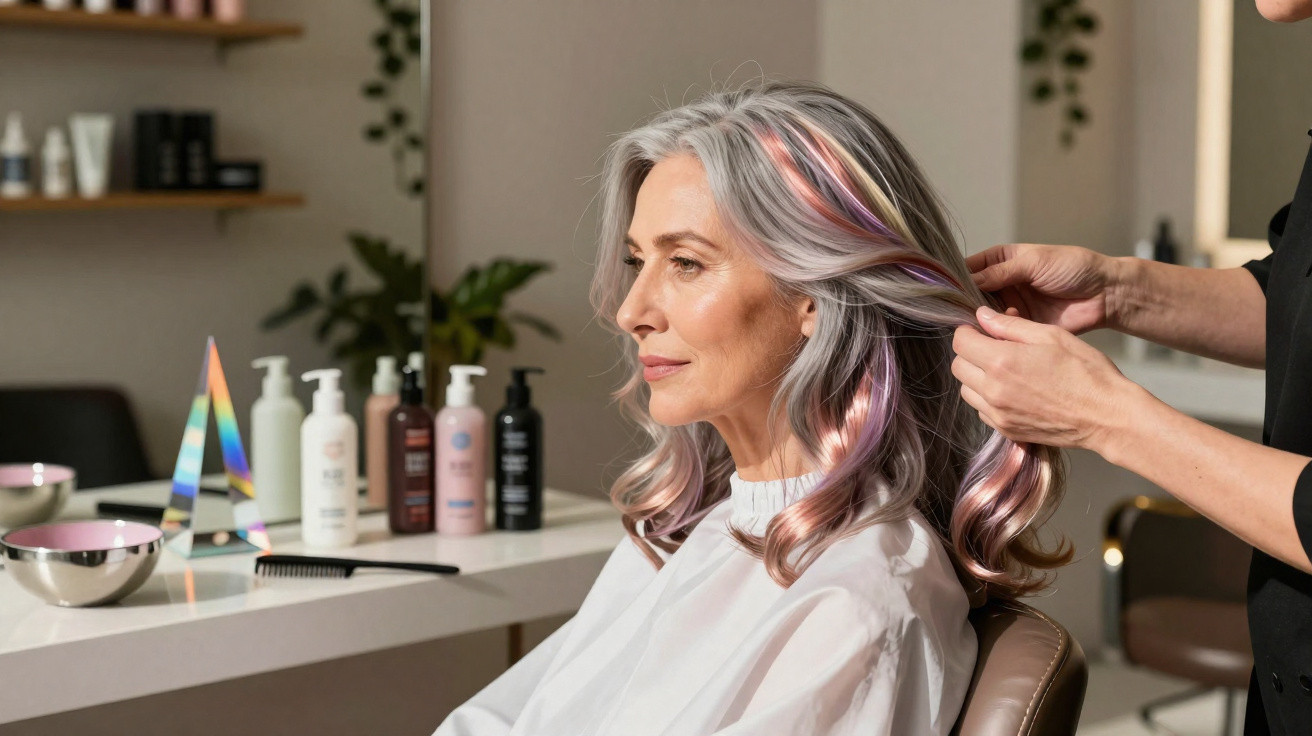
If you look at these pictures and think, “All right, lovely, but what am I meant to do with this in my bathroom?” – you are not alone. The key does not begin in the bathroom but in the hairdresser’s chair. Rather than saying, “Give me the Vogue bob,” it helps to bring one or two specific images from different editions and explain: “I like this length here, but this texture here.” A good hairdresser reads those pictures like a map: what is realistic for your hair type, and what would require a daily blow-drying marathon? Start with a more moderate interpretation of the trend – a slightly longer bob or a softer fringe – and work your way towards it. Hair grows, of course. But spending three weeks battling a hairstyle can quickly remove any pleasure from styling.
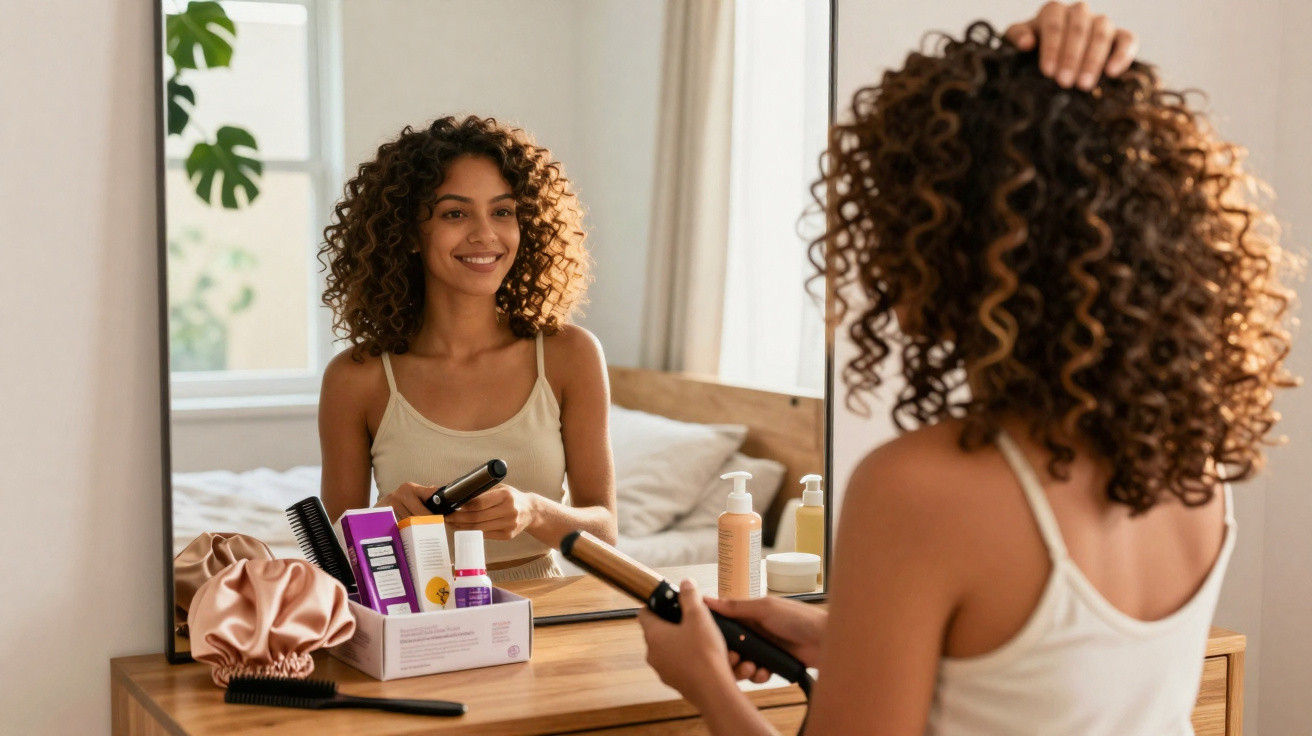
At home, it is less about perfection and more about two or three techniques you will genuinely remember. For the “expensive hair” look, heat protection, a large round brush or wave tool, and a lightweight glossing serum are often enough. With a bob, work at the roots is crucial: choose volume or sleekness, rather than trying to achieve both at once. Fringe wearers know the feeling: sometimes washing and blow-drying the fringe alone is enough to look presentable again. Let us be honest: nobody truly completes a full polished styling routine every day, whatever Instagram suggests.
The pitfalls that never appear in glossy magazines are equally important. An overly short micro bob on strongly wavy hair? Expect daily straighteners or inevitable frustration. A fringe with an oil-prone forehead, without considering skincare? It will become irritating faster than you would like. Anyone with plenty of cowlicks or natural swirls should take care with extremely straight partings – what appears “clean” on a Vogue cover can simply look stubborn in daily life. Allow yourself to leave out a trend detail if it makes life easier. A long bob without a fringe is not a style failure; it is your version of the look.
“The best trend hairstyles are the ones that respect your everyday life,” a hairstylist once told me backstage at a Vogue shoot. “Everything else is costume.”
In practical terms, you can create your own mini Vogue mix:
- A bob with soft layers rather than an ultra-straight edge if you have little time for straightening
- A gentle curtain bang that reaches the cheek rather than the eyebrow if you would prefer to grow it out instead of booking constant trims
- An “expensive” glossy look created through care and glossing, without necessarily styling the most dramatic waves
- A simple satin headband or an editorial-style barrette to make a basic cut instantly feel more “fashionable”
- A small seasonal act of bravery: start with a fringe, then perhaps move on to the bob once you feel confident
What these hairstyles say about our year
If you read the current Vogue hair landscape as a kind of seismograph, the message is clear: little appetite for chaos and plenty of desire for clarity with room to play. The bob says: a decision has been made. Soft layers say: I am keeping my options open. The fringe says: I do not want to hide my face, but I do not want it entirely unprotected either. Everything feels like a balancing act between control and ease, between “I want to be seen” and “I still want to feel like myself”.
It is also interesting how internationally aligned these trends have become. What works in Vogue Korea appears, lightly adapted, in the Spanish edition months later. Social media speeds this up, naturally. Yet a distinction remains: magazines show the condensed, curated version – the way a cut should ideally fall. Everyday life is the stress test: wind, rain, a day working from home, one night with too little sleep. This is where a “trend haircut” becomes either an expensive mistake or a new part of someone’s identity.
Perhaps it is worth reversing the question: not “Which Vogue hairstyle should I get?” but “Which one tells the story in which I recognise myself right now?” If you are in the “Cut it off, I need air” chapter of your life, the sharp bob may be calling. If you are facing many professional changes but need a sense of continuity in private, long soft waves may carry exactly that quiet promise. Ultimately, trends are merely offers. The truly interesting part begins when you use them selectively – like a good playlist, where not every song suits every part of the day.
| Key point | Detail | Benefit for the reader |
|---|---|---|
| Bobs in every variation | Shorter, defined lines, with micro bobs and French bobs dominating international Vogue editorials | Helps you decide whether a contemporary bob suits your face shape and everyday reality |
| Soft “expensive hair” layers | Long, gentle layers with natural movement and shine, often presented as everyday glamour | Shows how to achieve a luxurious, photogenic look with a manageable styling routine |
| Fringes and layers as a statement | Curtain bangs, micro fringe styles and shag fringes bring the face to the forefront | Offers low-risk changes that immediately alter presence and photographic impact |










Comments
No comments yet. Be the first to comment!
Leave a Comment