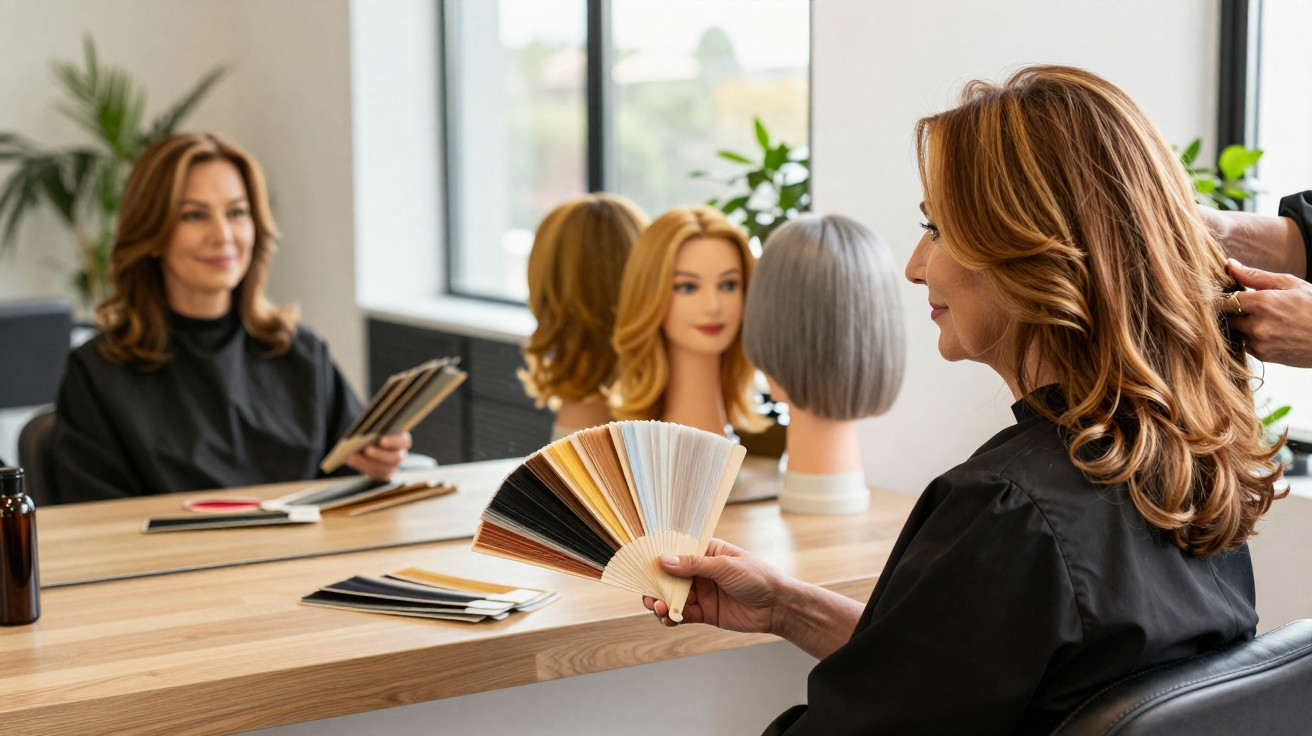
… only want to cover their grey hair after their 60th birthday – and unintentionally end up with a look that makes them appear noticeably older.
The right hair colour can soften fine lines, make the complexion look fresher and give the face renewed vitality. The wrong shade, on the other hand, can mercilessly reveal every year. Professional hairdressers repeatedly encounter the same mistakes among clients over 60 – with three types of colouring appearing particularly often.
Why hair colour matters so much after 60
Ageing changes not only the hair but also the skin. The complexion often becomes a little duller, facial contours softer, while pigmentation marks and wrinkles become more pronounced. Shades that once felt familiar may suddenly no longer work.
A colour that looked great at 40 can seem harsh, severe and “old-fashioned” at 65 – even if the haircut has stayed the same.
In addition, hair tends to become drier, finer and more fragile. Chemically harsh colours or shades that are too dark emphasise these structural issues even further. Modern colouring techniques therefore aim to bring light to the face rather than simply “covering everything up”.
Mistake 1: Dramatically dark shades such as black and very dark brown
A salon classic is the client who desperately wants her white or grey hairs to disappear and chooses black or very dark brown. At first glance, this looks fully covering and “safe”. In reality, it often achieves the opposite of what she intended.
- A harsh contrast between fair skin and very dark hair
- Fine lines and creases around the mouth and nose become more noticeable
- The expression looks sterner, sometimes even tired or severe
- Even slight shadows beneath the eyes stand out more
There is another issue: many home colourants turn out darker than the box suggests. Leaving the product on for too long can quickly create a “helmet look” – an evenly dark block of colour with no life to it.
Hairdressers therefore advise choosing a desired shade that is around one level lighter than before. Those who want to remain within the darker range are better off with:
- Medium brown rather than black
- Warm chocolate brown with subtle highlights
- Soft, cool brown shades with a slightly translucent finish
After 60, going half to a full shade lighter is almost always more flattering, as it visually brightens the complexion rather than “overpowering” it.
Mistake 2: Extreme blonde shades – from yellow tones to icy blonde
The second major error lies at the other extreme: very light blonde shades. Many women hope heavily lightened hair will look softer and younger. That only works if the tone is exactly right – and this is particularly difficult with mature hair.
Yellow tones can look unkempt
Bright blonde with a noticeable yellow cast can quickly make hair appear straw-like and poorly cared for. It can look as though the wearer has not visited a hairdresser for months, even if her appointment was last week. Against mature skin, which can sometimes be slightly red or uneven in tone, this impression becomes even stronger.
Icy blonde removes warmth from the face
Very pale, cool blonde, often called “polar blonde” or “platinum blonde”, can make the complexion look grey. Minor redness, visible veins and uneven areas appear stronger because the hair colour draws all warmth from the overall look. The face can then quickly seem duller than it really is.
An experienced colourist is more likely to make moderate changes at this age:
- Only one or two shades lighter than the natural hair colour
- Gentle golden or honey reflections for added depth
- Fine highlights rather than full bleaching
For naturally fair hair, just a few light-reflecting strands can be enough to bring freshness to the face. If make-up suddenly needs to be much stronger so the new colour does not look “strange”, the change has usually been too extreme.
Mistake 3: Completely uniform colour without any dimension
The third colouring choice that can quickly create a “granny look” may seem unremarkable at first: one completely uniform colour, applied from the scalp to the ends without any variation or reflection.
Monochrome hair colours without any nuance make hair look flat, thin and lifeless – exactly what many people over 60 want to avoid.
These block colours can make:
- The hairstyle appear flatter and finer
- Every individual wrinkle look more pronounced
- The face seem more harshly outlined
Even a few highlights or slightly darker roots can add fullness to the overall look. The interplay of light and shadow creates the impression of volume and directs attention away from lines and fine wrinkles.
Hair colouring techniques hairdressers recommend after 60
Many salons use gentle techniques for clients over 60 that respect the natural shade while subtly enhancing it. Frequently used methods include:
- Balayage: Freehand highlights that look as though the hair has been lightened by the sun.
- Ombré: A soft graduation from slightly darker roots to lighter ends.
- Contour colouring around the hairline: Carefully placed lighter strands around the face to emphasise specific areas.
Well-maintained natural grey hair – enhanced with a soft silver or pearly finish – can also look far more modern than an unflattering dye job. Shine is the deciding factor: dull grey can quickly look tired, while glossy, well-cared-for grey can appear exceptionally elegant.
How women can find the right hair colour after their 60th birthday
Anyone uncertain whether their current colour still suits them can use a few questions as a guide:
- Do I quickly look tired or pale in this colour when I am not wearing make-up?
- Do my fine lines look more noticeable with it than before?
- Do I need significantly more make-up to make the hair colour “work”?
- Do the roots become uncomfortably obvious after just two weeks?
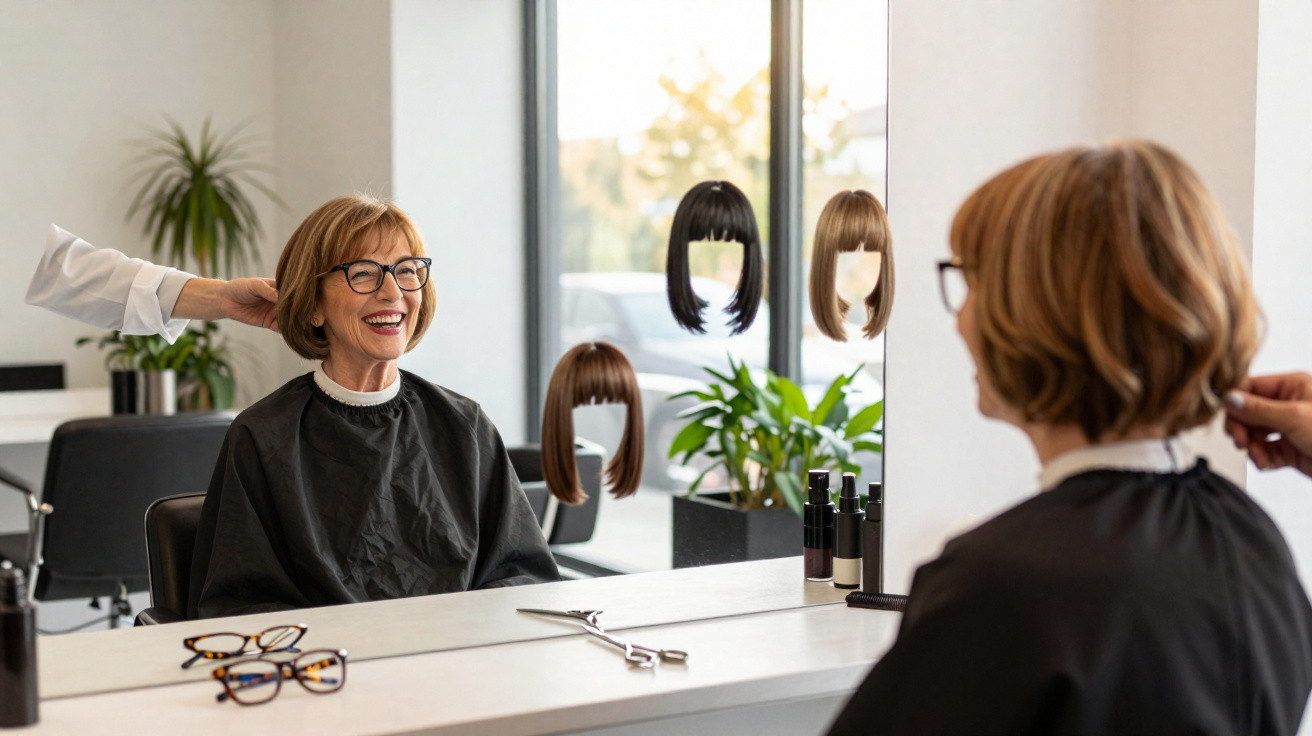
If the answer is “yes” several times, it is worth having a conversation at the salon. A small adjustment is often enough – a touch lighter, a few reflections or a different shade within the same colour family – to make the face look visibly younger.
Care, texture and risk: what mature hair needs as well
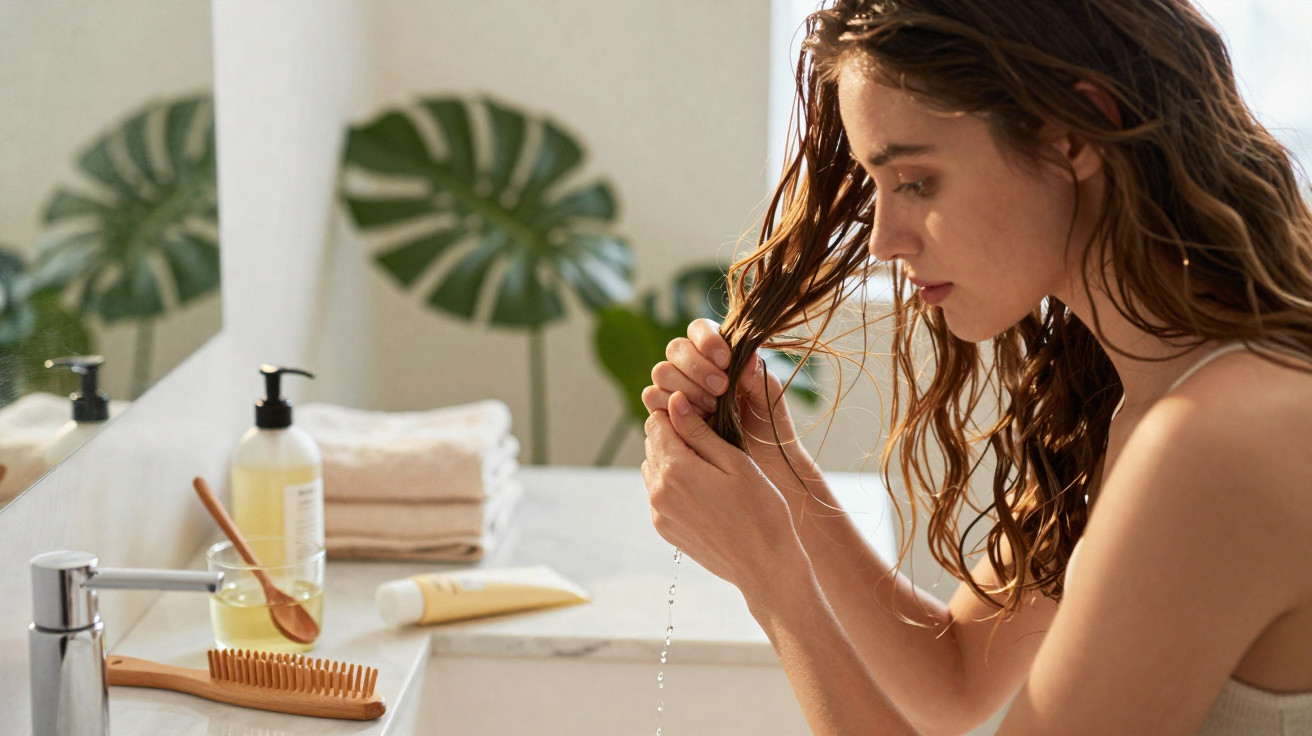
Beyond the choice of colour itself, hair texture plays a major role. Mature hair breaks more easily, dries out and absorbs pigments unevenly. Aggressive bleaching and frequent all-over recolouring increase the risk of split ends, breakage and dull-looking hair.
Useful additions to colour advice therefore include:
- Conditioning treatments with protein and moisture before and after colouring
- Special shampoos and conditioners for coloured or grey hair
- Heat protection when blow-drying or straightening
- Regular trims to keep the colour looking fresh
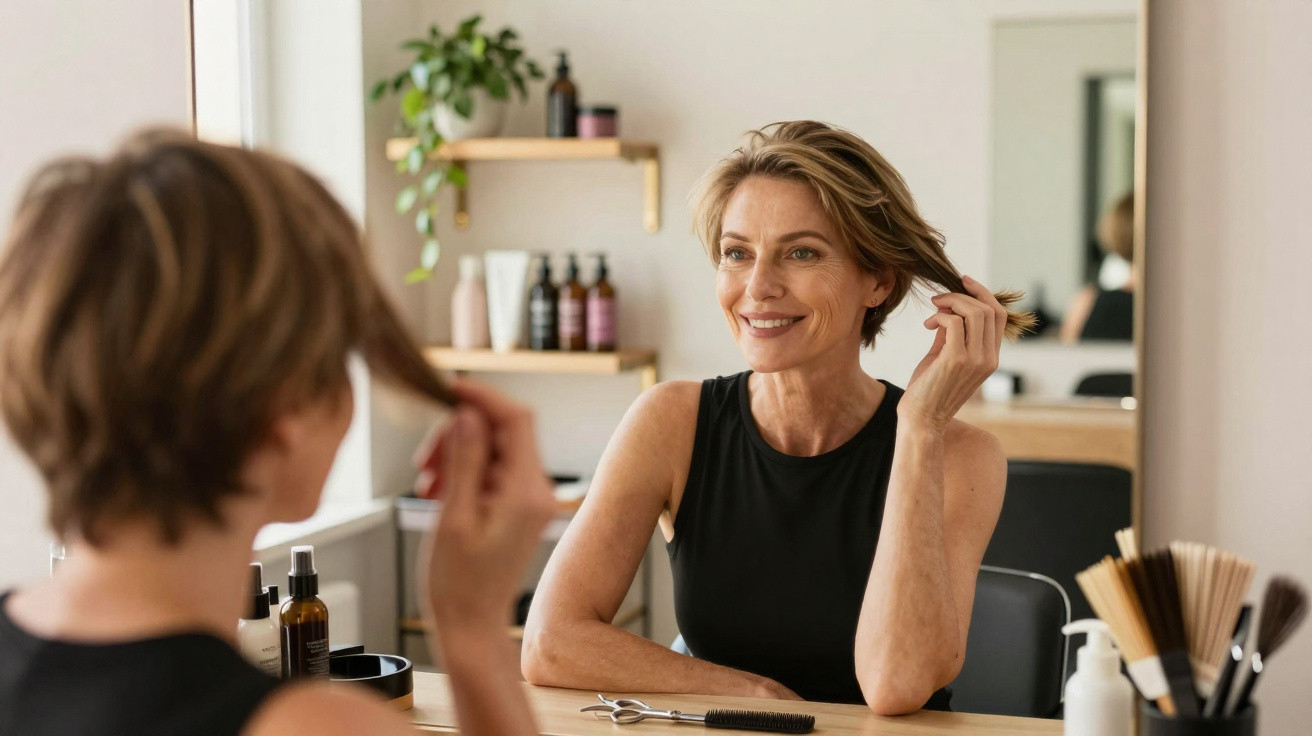
It is equally important not to cling to a 20-year-old idea of one’s “own” hair colour. Skin tone changes, eyebrows can fade and even eye colour may appear slightly different. A subtly adapted shade that accounts for these changes often suits the person you are now far better.
Those who embrace this process can take years off their face with colour, shine and cleverly placed reflections – without radical beauty treatments, simply through a smart approach to choosing the right hair colour after 60.









Comments
No comments yet. Be the first to comment!
Leave a Comment