
The woman ahead of me in the salon looked truly anxious as she lowered herself into the chair. “Just… clean it up a bit,” she said to the stylist, glancing towards the price list on the wall. Her faded ends and overgrown layers made it clear that she had not been in for months. Possibly even longer.
All around us, people were scrolling through their phones, looking at images of precise bobs and gleaming glass hair. Yet the unspoken reality was obvious in the waiting area: most of us do not live according to those flawlessly maintained hair tutorials.
The stylist smiled, picked up a section of her hair and said quietly: “You need the kind of cut that forgives you.”
That line stuck with me.
The “forgiving” cut stylists swear by when you disappear between appointments
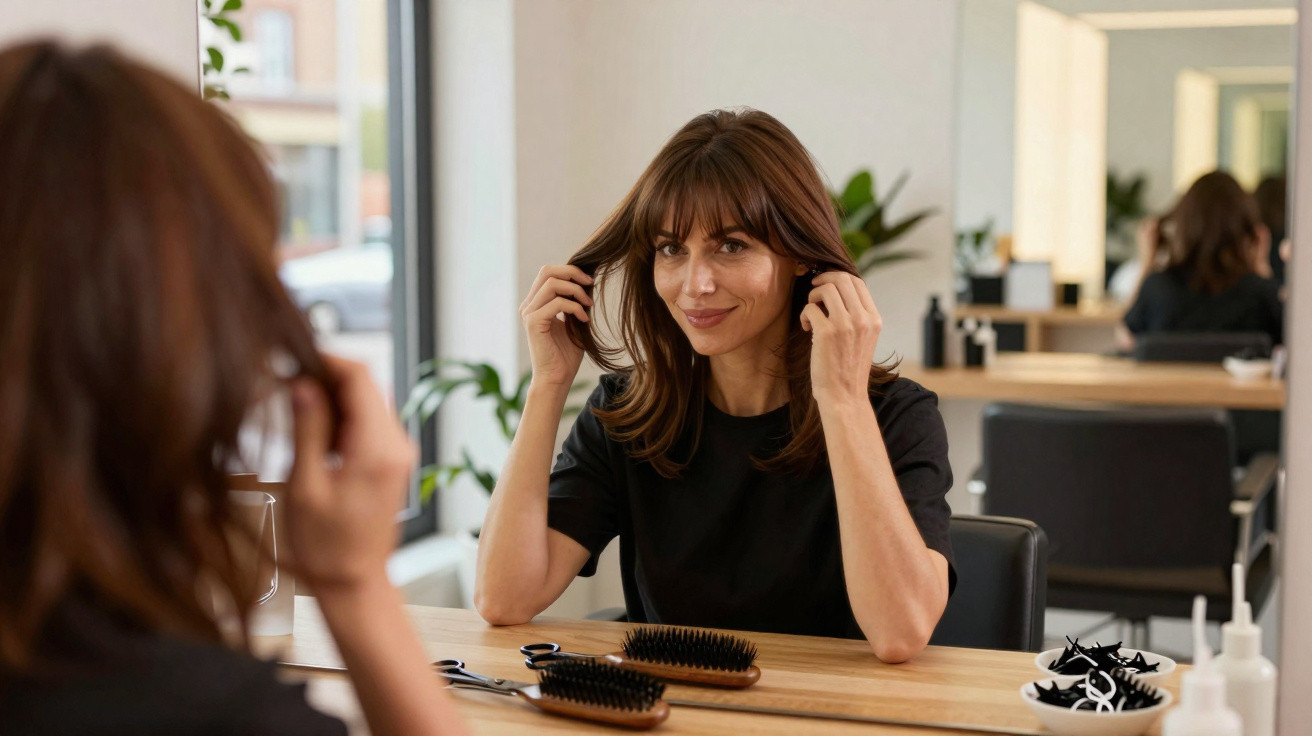
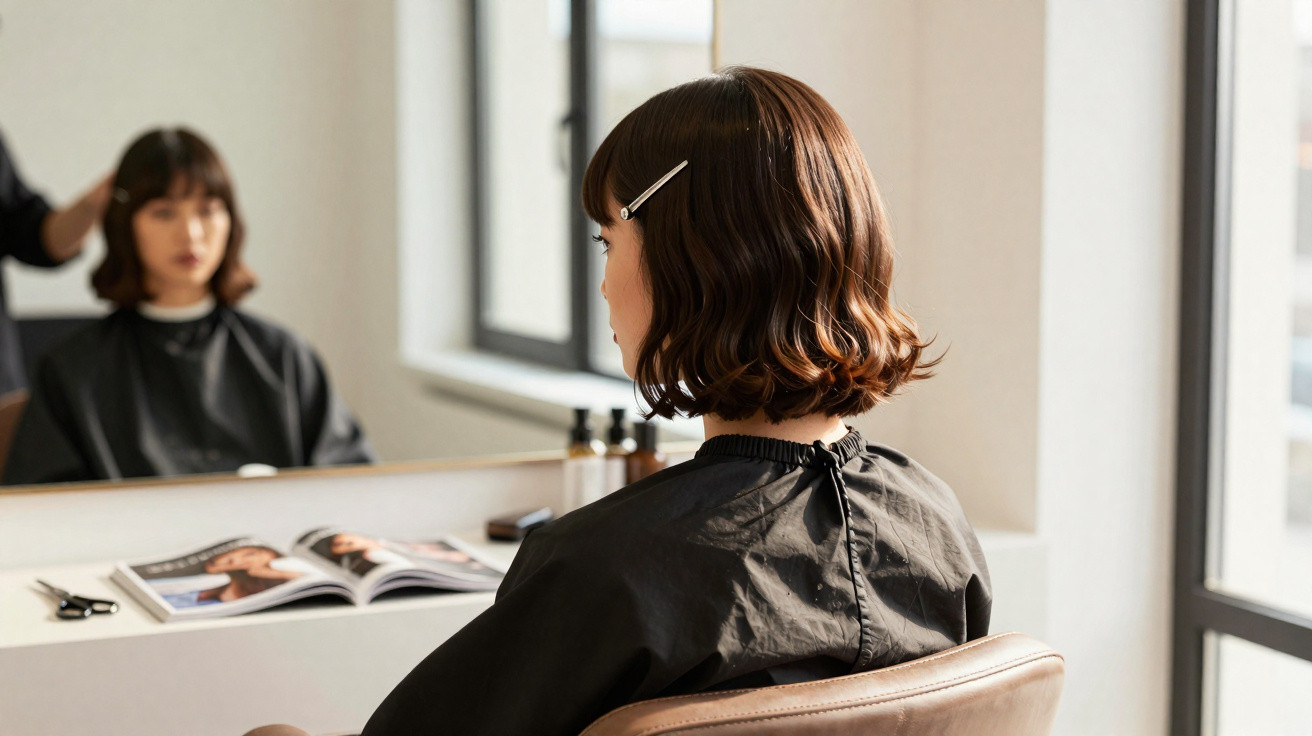
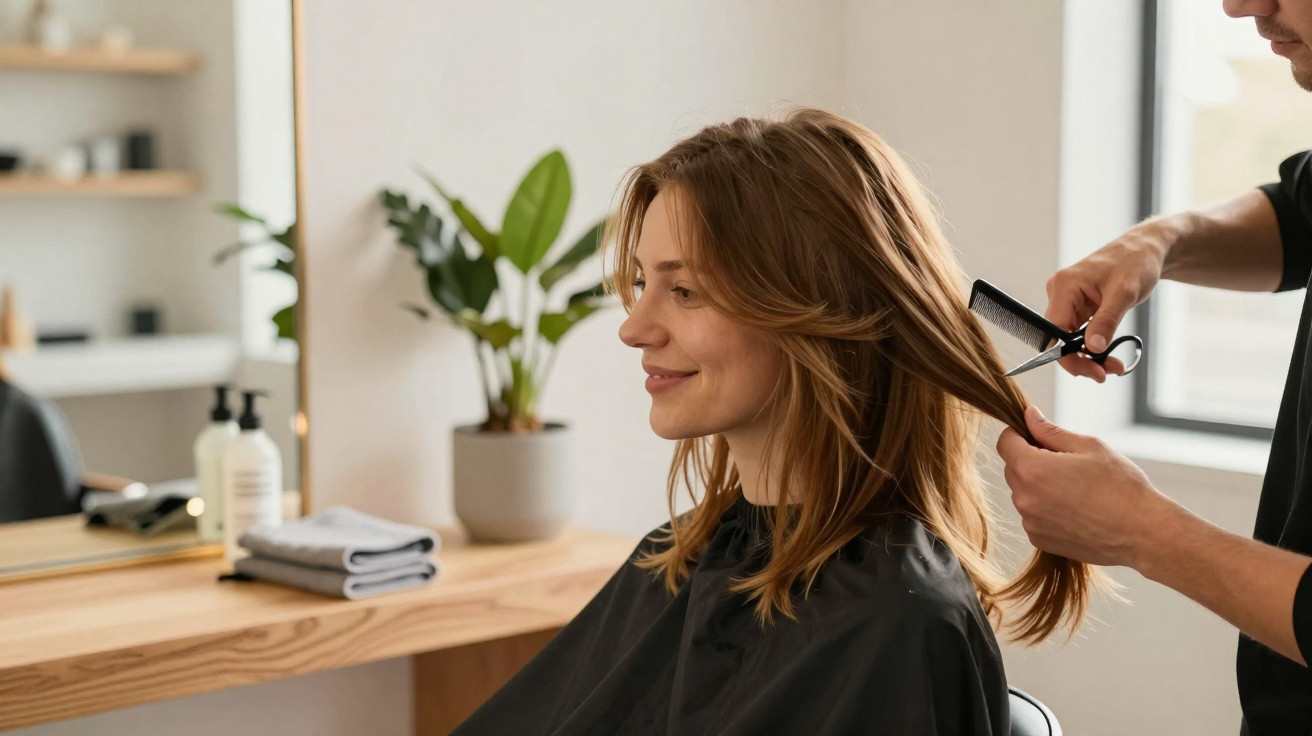
Ask three stylists which haircut works for someone who rarely makes it to the salon, and they will give you much the same answer in different language: a soft, lightly layered cut that sits at the collarbone or shoulders. It is neither a proper bob nor truly long hair, but something in that mid-length zone which grows out elegantly rather than awkwardly.
Viewed from the front, it frames your face. From behind, it retains a sense of shape even when it has grown out considerably. And from your own side of the mirror, it gives you time - plenty of it.
A London stylist once told me about a client who books only twice yearly. It is not that she is uninterested in her hair; she works shifts, has two children and lives an hour away from any good salon.
He gave her a “lazy-girl” plan: a soft cut brushing the shoulders, with slightly longer sections at the front and imperceptible layers through the ends. When she returned six months later, remarkably, her hair still appeared deliberate. It was simply a little longer. There were no severe lines, no mullet stage and none of that “who did this to you?” feeling.
There is a straightforward reason this sort of cut performs so well. Hair does not grow according to a neat diagram: it comes in swirls, cowlicks and strange little bends. A highly structured bob or sharply cut fringe starts battling that natural disorder as soon as it grows.
A forgiving mid-length cut takes the opposite approach. Rather than resisting how your hair falls, it accommodates it, with soft layers and a relaxed silhouette that blends as it grows instead of falling apart. This is why stylists discreetly suggest it to clients who admit, “I’ll be honest, I probably won’t be back until summer.”
How to ask for the low-maintenance cut that still looks expensive
Your first step comes before the scissors are even picked up. Instead of saying, “Do whatever you want,” tell your stylist: “I usually come every four to six months. I need something that grows out well.”
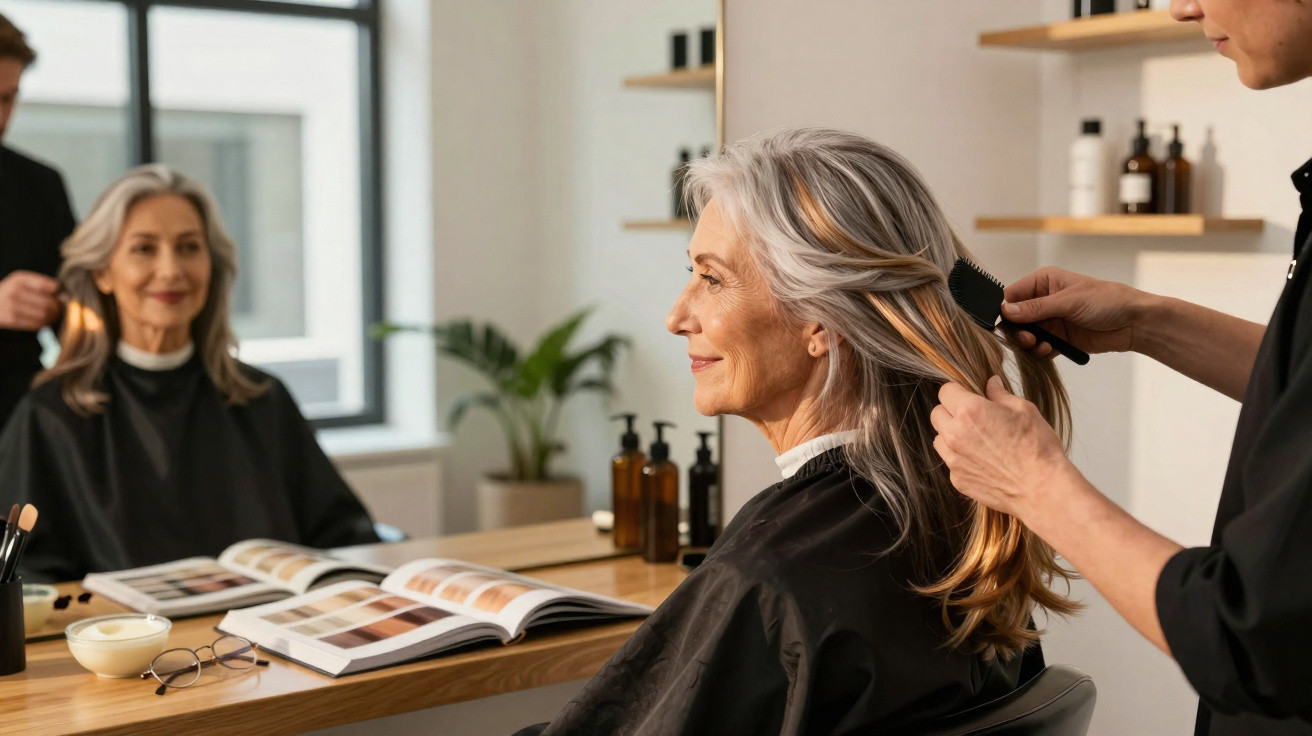
Next, show them a photograph of a collarbone- or shoulder-length cut with soft ends, rather than an extremely blunt campaign-shot bob. Explain the details you like: “I like that the front is a bit longer,” or “I like that it’s not too perfect at the bottom.” Stylists think visually, and the right image combined with the phrase “low maintenance” is almost a secret code.
There is another factor people commonly leave out: your actual life. Tell them how you truly handle your hair. Do you let it air-dry before rushing out? Straighten it once a week? Wear it in a bun on most days?
This is where many of us unintentionally undermine ourselves. We show a glossy, carefully styled picture, then admit that our hairdryer is “somewhere in a drawer”. It is like taking marathon trainers to someone who only walks to the bus stop. Honestly, nobody actually keeps that routine up every single day.
A Paris-based stylist explained it to me with both hands raised, her scissors suspended in mid-air.
“If you don’t come often, you need softness, movement, and no hard lines. The cut has to live with you, not against you,” she said. “I build little ‘escape routes’ into the haircut, so when it grows, it still falls nicely.”
She then wrote it down for me, almost as though it were a checklist:
- Length around the collarbone or shoulders, not higher
- Soft, barely-there layers for movement, not volume “stairs”
- Ends that are slightly textured, not razor-thin or stick-blunt
- Face-framing strands that can grow into long bangs without looking uneven
- Shape that works both styled and air-dried, wavy or straight
The lazy upkeep that makes this cut last twice as long
After you leave the salon, this cut does not require an elaborate regime. That is precisely its appeal. A solid trim, a decent brush and a few small habits can extend it for months.
Most stylists agree on three basic actions: brush from the ends towards the roots once daily, apply a lightweight conditioner only through the mid-lengths and ends, and sleep with your hair loosely tied back or secured with a silk scrunchie. These are not influencer rituals; they are modest, unexciting practices that prevent tangles, breakage and that rough, “broom-like” appearance at the tips. Small things quietly make a difference.
Then there is styling - or almost no styling at all. The forgiving shoulder-length cut suits what stylists call “imperfect texture”: a loose wave from a quick plait, a bend created by sleeping with damp hair in a low bun, or simply a little cream scrunched through the ends.
The mistake many people make is pursuing a “salon finish” at home through daily heat and sprays, before wondering why their haircut starts looking worn so quickly. Hair is not destroyed in one dramatic event; it gradually wears down, like a favourite T-shirt washed too often. If getting to the salon is already difficult, scorching your ends each day merely takes months off the life of your haircut.
One New York stylist told me she has an actual rule for clients who leave a long gap between appointments:
“If you can’t come regularly, your tools have to be kind. No daily straightener at 220°C, no aggressive brushing on soaking-wet hair,” she said. “Your haircut has a lifespan. Heat and friction are what kill it early.”
When I asked what she advises her busiest clients to prioritise, she reduced it to a surprisingly brief list:
- Book your next trim before you leave, even if it’s four months away
- Use a heat protector every single time you use hot tools
- Switch to a soft brush or wide-tooth comb, especially on wet hair
- Learn one easy, five-minute style you can actually repeat
- Accept that “good enough” hair most days is more realistic than perfect hair once a month
Why this kind of haircut quietly changes how you feel about your hair
There is something unexpectedly liberating about not being controlled by your own haircut. When your hair sits in that forgiving mid-length range, you do not anxiously monitor the calendar as your fringe moves downwards or your bob becomes triangular. You simply... get on with life.
The emotional change is subtle. Mornings feel less stressful. A bad hair day becomes “ponytail and move on”, rather than “I need to book a £120 rescue appointment”. You spend less energy battling your hair and more time realising that it behaves better when you are not continually trying to reinvent it.
We have all experienced it: you put off booking because of cost, time or sheer decision fatigue, only to dislike your reflection weeks later. The right cut will not magically sort out your life, but it removes one persistent, low-level pressure.
Stylists repeatedly return to the same principle: your hair should work within your real life, not a fantasy timetable of monthly touch-ups. A soft, low-maintenance cut is not really about laziness; it is about being realistic. It acknowledges that you are balancing work, rent, relationships, children, health and burnout - not merely perfecting blow-drying angles.
If you recognise yourself as the person who “forgets” to make an appointment, it is not a personal failing. It is a prompt to make a different choice in the chair. Ask for the cut that forgives you when you vanish for months. Ask for softness, for beauty as it grows out, and for a shape that does not penalise you for having a busy, messy, offline life.
You may leave with hair that seems slightly less dramatic on the first day. Yet when you see your reflection three months later and it still looks like a decision rather than an accident, you will understand why so many stylists quietly describe this as the perfect cut for people who rarely visit the salon.
| Key point | Detail | Value for the reader |
|---|---|---|
| Choose a soft, mid-length cut | Collarbone or shoulder length with gentle layers and textured ends | Grows out gracefully and remains flattering for months |
| Be honest with your stylist | Explain how often you genuinely visit and how you really style your hair | Delivers a haircut shaped around your lifestyle, rather than unrealistic routines |
| Adopt “tiny habit” maintenance | Gentle brushing, light conditioner, heat protection, simple styles | Lengthens the life of your haircut and keeps it looking intentional |
FAQ:
Question 1: What exactly should I ask my stylist for if I want this kind of low-maintenance cut? Use phrases such as “soft, mid-length, low maintenance”, and specify collarbone or shoulder length, subtle layers and a little face-framing. Bring one or two realistic reference pictures, and be clear about how often you normally return.
Question 2: Will this haircut work if I have curls or waves? Yes, stylists particularly like this length for curls. They will tailor the layers and shape to your texture, often cutting on dry or lightly diffused hair so the curl pattern is honoured and the grow-out remains balanced.
Question 3: How many times a year can I realistically get away with going to the salon with this cut? Most stylists consider two to four visits a year manageable, depending on how quickly your hair grows and how polished you want it to appear. This cut is intended to look like a style after three or four months, just a longer one.
Question 4: Do I need special products to maintain this kind of haircut? You do not need an entire shelf of products. A gentle shampoo, a light conditioner for the mid-lengths and ends, heat protection if you use tools, and perhaps one styling cream or texturising spray will generally be enough.
Question 5: Can I still have bangs if I rarely visit the salon? You can, although stylists often recommend longer, curtain-style bangs that can grow into face-framing layers rather than a short, blunt fringe. They are much more forgiving if you miss trims.












Comments
No comments yet. Be the first to comment!
Leave a Comment